

Paramount Threatens California Exit as Warner Bros. Deal Faces Antitrust Fight
California antitrust case puts Paramount’s future in the state at risk
Paramount Skydance Corp. shares fell 2.94% to $9.91 as equity markets reflected continuing regulatory uncertainty over the proposed acquisition of Warner Bros. Discovery.
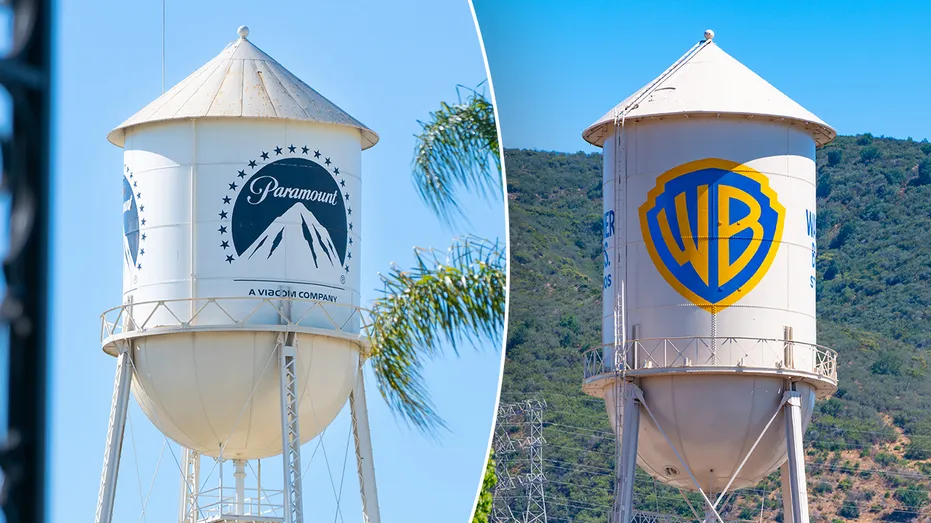
The transaction would combine Warner Bros., established in 1923, with Paramount Pictures, founded in 1912. It would also bring together the Max and Paramount+ direct-to-consumer streaming platforms, CBS, and cable assets including HBO, CNN, TNT, TBS, MTV, Nickelodeon, Comedy Central, and the Discovery Channel.
Paramount Chief Executive Officer David Ellison has reportedly threatened to move the company’s corporate operations and production footprint out of California to Texas, Georgia, or Tennessee if state law enforcement officials do not resolve the litigation before Oct. 1. The proposed acquisition is valued at $110 billion.


The pressure comes as Paramount Skydance Corp. urges California regulators to settle an antitrust lawsuit before the deadline. The lawsuit was filed in July by California Attorney General Rob Bonta and 11 other state attorneys general, who argue that combining two of Hollywood’s oldest and largest studios would violate antitrust law.
Bonta’s office has said the merger would significantly reduce market competition by concentrating unprecedented power over theatrical film distribution, exhibition windows, and basic cable television programming in one corporate entity. The deal remains on hold under a court agreement and is scheduled for trial in March if the case is not resolved, while high-level settlement talks involving Bonta’s office and executives from Paramount and Warner Bros. Discovery are underway.
The relocation dispute has been framed by industry observers as part of a broader competition among states for entertainment production. Georgia offers a 30% uncapped film tax credit, while Texas and Tennessee have also aggressively sought to attract production slates from California. California’s annual film tax credit program is capped at $330 million.
“It’s no secret that Paramount has been making this threat despite its alleged commitment to California and Hollywood,” Bonta’s office said in a statement. “What Paramount decides to do is Paramount’s choice alone.”
The proposed merger follows other major media transactions, including Disney’s $71.3 billion acquisition of 21st Century Fox assets in 2019 and AT&T’s $85 billion purchase of Time Warner in 2018. Warner Bros. Discovery was created through the $43 billion combination of Discovery Inc. and WarnerMedia in 2022.
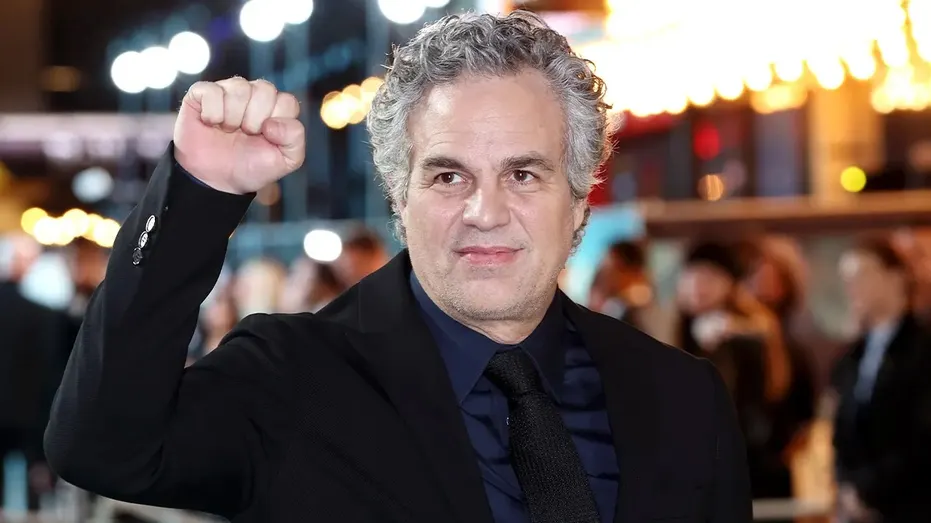
Settlement discussions have drawn opposition from industry labor, independent filmmakers, and advocacy groups. Actor Mark Ruffalo launched a public campaign directed at Bonta, calling on the attorney general to reject any settlement that would permit the acquisition to proceed. Ruffalo cited petitions signed by tens of thousands of people and voiced concern that state officials could accept terms that fail to preserve competitive market conditions.
“Don’t you dare @AGRobBonta, do not cave,” Ruffalo posted on X. He urged merger opponents in the San Francisco Bay Area to gather outside Bonta’s attorney general office in Oakland at 5 p.m. to protest reported settlement terms. “You work for the people — the very people who will be hurt if you let this lousy deal filled with empty promises go forward. Please sign to send a message to the AG’s and Paramount. Reject the deal. The people don’t want it!”
The Block the Merger Coalition says that more than 75,000 supporters have joined its campaign against regulatory concessions. The group also criticized the possibility of a negotiated settlement based on corporate commitments.
“The rumored ‘deal’ to usher the Paramount-Warner Bros. merger forward is an insult to everyone who has stood up against this harmful transaction and to the hundreds of thousands of workers, journalists, and consumers who will be hurt if it goes forward,” the coalition said in a statement. “Let’s be very clear: an agreement based only on unenforceable concessions is a win only for David Ellison. It is an L for everyone else.”
Political and labor circles have debated the potential economic consequences for below-the-line crew members and local vendors. Former California gubernatorial candidate Spencer Pratt opposed calls to block the transaction entirely, arguing that stopping the corporate deal could put production jobs at risk and further weaken California’s entertainment employment base if operations move elsewhere.









