Sega Bets on 1900s Racial Prejudice for New Yakuza Game
Makoto Daito's 50-year journey from 1915 San Francisco to the Tojo Clan reshapes the franchise's established timeline.
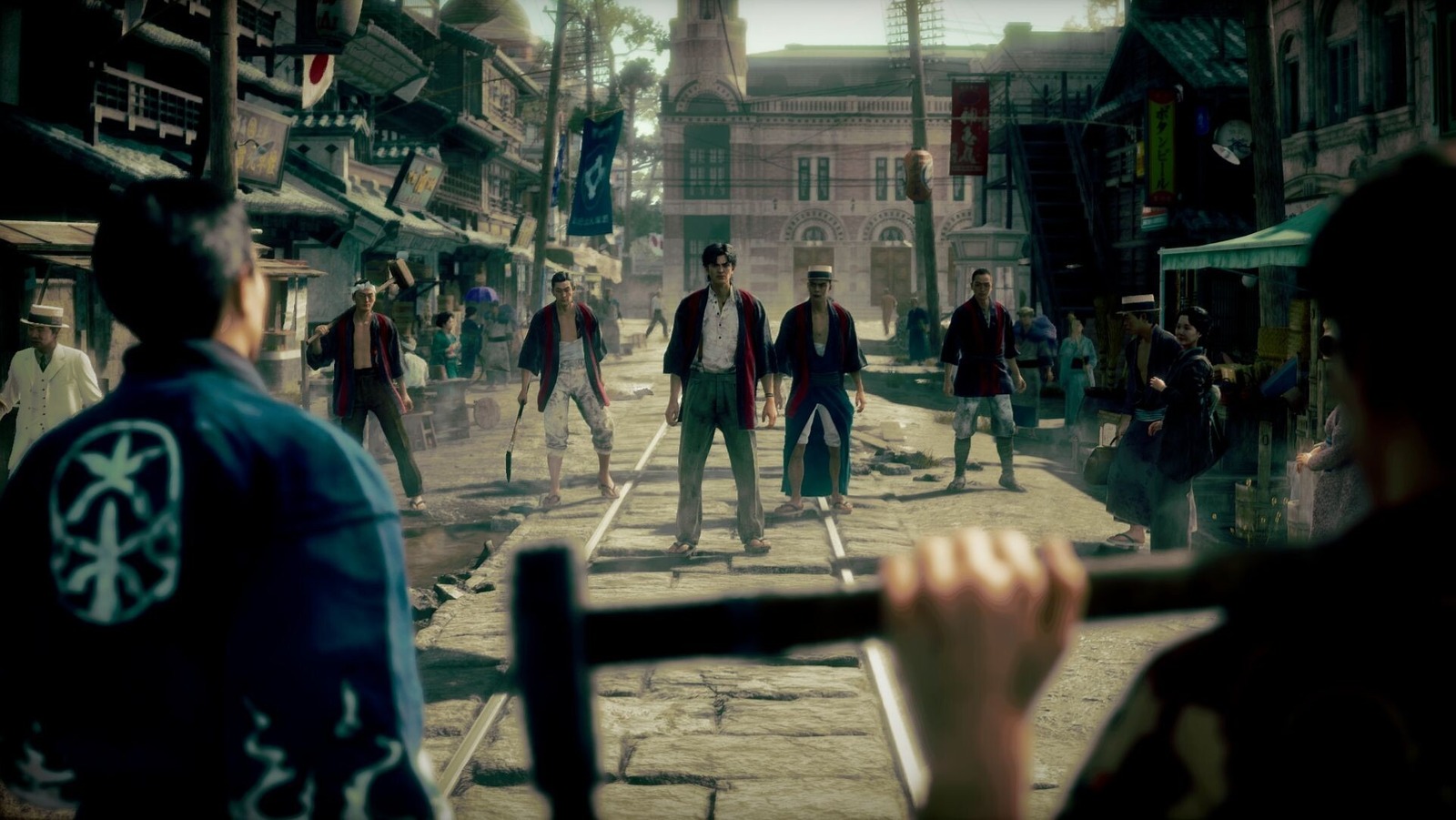
Sega is testing how far its most profitable franchise can stretch before the formula breaks. With Stranger Than Heaven, the publisher and developer RGG Studio are abandoning the neon-soaked modern Tokyo that built the Like a Dragon series in favor of early 20th-century Japan and a protagonist navigating systemic racism.
The game follows Makoto Daito, a Japanese-American man who flees San Francisco in 1915 after corrupt police officers frame him for a crime he did not commit because of his race. His subsequent five decades in Japan — moving from dock work in Kokura to owning a nightclub in Osaka and eventually rising within the Tojo Clan in 1960s Shinjuku — establish direct narrative links to Kazuma Kiryu and Ichiban Kasuga, according to the game’s premise.
This pivot arrives as Sega pushes the Like a Dragon brand into new genres and timelines to sustain revenue growth. The franchise evolved from a cult-favorite action-brawler into a broader commercial property incorporating turn-based RPG combat and arcade-style spin-offs. Anchoring a standalone entry in historical racial violence represents a calculated risk for a series traditionally known for balancing over-the-top action with goofy humor.


Players exploring the semi-open-world towns encounter outward hostility and passive-aggressive bigotry from non-playable characters, including racial slurs and unprovoked attacks from citizens. This design choice forces the standard exploration mechanics to reflect Daito’s reality as an immigrant with mixed Japanese and White American ancestry. The resulting tone is noticeably more stoic than previous entries, drawing comparisons to Sergio Leone’s Once Upon a Time in America.
RGG Studio’s attempt to gamify historical prejudice introduces friction between interactive entertainment and serious subject matter. Early chapters occasionally lose pace due to clumsy storytelling moments inherent to video game structure, which can undermine the gravity of the material being presented.
Stunt casting compounds those tonal issues. Characters played by Snoop Dogg and Tupac — the latter not seen in the available demo — position themselves as almost fourth-wall-breaking figures dispensing hard truths about bigotry. According to impressions of the game’s opening, this approach feels immersion-breaking against the otherwise grounded depiction of early-to-mid 1900s Japan.
Despite these structural stumbles, RGG Studio’s handling of open racism presents both the outward hostility and the quiet, everyday discrimination of the era in a way that functions as period education. The familiar combat beats and side activities remain intact beneath the heavier narrative framework.
Daito’s eventual ascent to a key figure in the Tojo Clan during the 1960s directly shapes the criminal underworld inherited by future protagonists in the series timeline.