

Paramount-Warner Bros. Discovery Merger Clears Federal Court as Mark Ruffalo Clash Escalates Over Antisemitism Accusations
Binding commitments require the new studio giant to release at least 30 films annually and invest an additional $1.5 billion in U.S. production over five years.
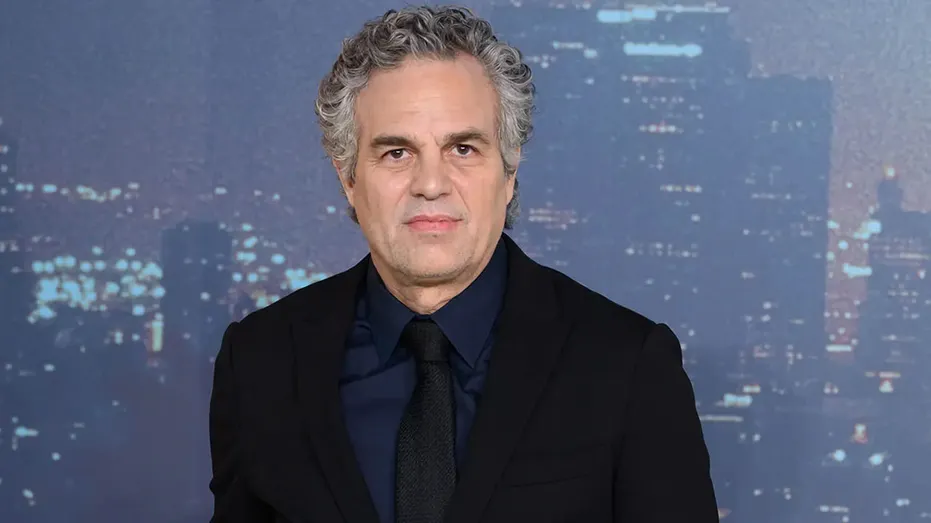
A federal judge cleared Paramount’s $110 billion acquisition of Warner Bros. Discovery on Wednesday, removing the final legal barrier to a transaction that will forge the largest entertainment conglomerate in modern Hollywood history. The ruling immediately reignited a bitter public confrontation between the studio and actor Mark Ruffalo, who has emerged as the most prominent face of industry opposition to the deal.
U.S. District Judge Araceli Martínez-Olguín approved the merger after rejecting objections seeking broader restrictions, calling the agreement reached between Paramount and state regulators a “reasonable factual and legal resolution.” The companies are now positioned to close the transaction Oct. 6, according to Reuters, consolidating two legacy studios whose combined libraries include franchises such as the Marvel Cinematic Universe, DC Comics properties, “Mission: Impossible,” and the entirety of HBO’s prestige catalog.
Ruffalo, who had publicly urged California Attorney General Rob Bonta not to settle with the studio days before the Sept. 21 agreement was finalized, condemned the outcome on X. He characterized the consolidation as a threat to creative independence and employment, framing the approval as a victory for “corrupt oligarch billionaires trampling the interests of everyday people.”


Paramount responded by accusing the actor of invoking antisemitic tropes in his criticism of the deal’s backers. Ruffalo fired back, calling the studio’s accusations “appalling and fundamentally dishonest.”
The dispute over rhetoric underscores the unusually charged atmosphere surrounding this merger. Unlike previous media mega-deals — such as Disney’s $71 billion acquisition of 21st Century Fox in 2019 or AT&T’s ill-fated purchase of Time Warner — the Paramount-Warner Bros. Discovery combination has drawn sustained activism from working actors and below-the-line crew members still reeling from the contraction of the streaming era. Industry unions, including SAG-AFTRA and IATSE, have spent the past three years negotiating protections against job losses driven by corporate restructuring and artificial intelligence integration, making any further reduction in the number of major buyers for film and television projects an acute labor concern.
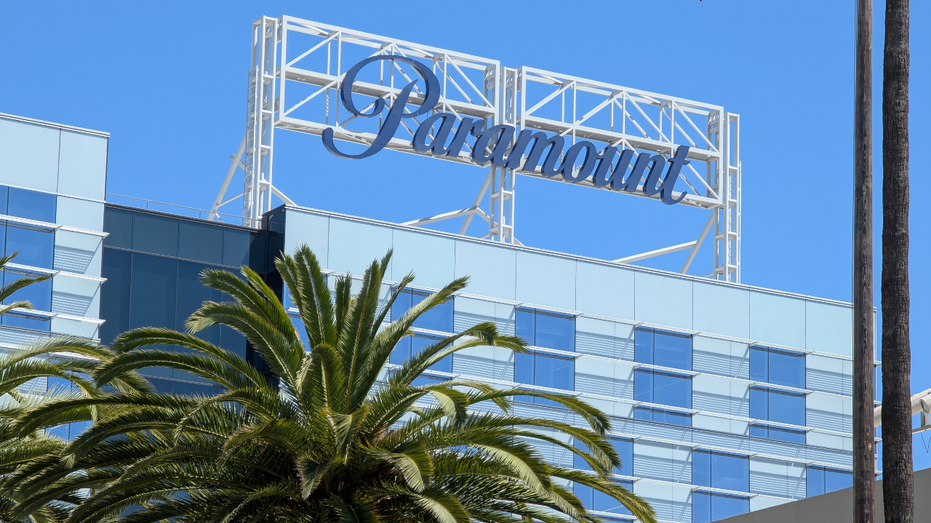
The legal path to approval was secured through a settlement with a coalition of 12 state attorneys general led by Bonta. The states originally sued in July to block the acquisition, arguing it would grant the combined entity excessive market power over theatrical film distribution and basic cable programming.
To resolve those antitrust claims without litigation, Paramount agreed to binding production mandates designed to insulate the domestic filmmaking ecosystem from post-merger cost-cutting. The company committed to releasing at least 30 movies annually during the first two years following the close, increasing to 32 films per year over the subsequent three years. A minimum of four releases each year must be independent films, a stipulation aimed at preserving distribution avenues for mid-budget and non-franchise cinema that major studios have increasingly abandoned in favor of tentpole intellectual property.
Financially, Paramount pledged to spend at least $1.5 billion more on U.S. film production over five years compared to its 2025 spending baseline. Bonta cited these terms as an “enforceable commitment to significantly increase domestic production,” effectively trading structural market concentration for guaranteed output volume.

Antitrust enforcers have historically struggled to prevent vertical and horizontal integration in the media sector once deals reach advanced stages. The Department of Justice’s attempt to block AT&T’s acquisition of Time Warner failed in court in 2018, establishing a precedent that makes halting mergers of this scale exceptionally difficult absent clear evidence of immediate consumer price hikes. State attorneys general stepping in to extract behavioral remedies — such as production quotas — rather than pursuing outright injunctions reflects the current reality of U.S. merger enforcement.
The combined studio will inherit significant debt loads. Warner Bros. Discovery carried roughly $39 billion in debt following its own formation in 2022, while Paramount Global has navigated its own balance sheet pressures amid declining linear television revenues. Wall Street analysts expect aggressive cost synergies to follow the Oct. 6 close, particularly in overlapping divisions such as marketing, distribution logistics, and streaming technology infrastructure.
Ruffalo maintained that the grassroots opposition will continue beyond the courtroom defeat. “This was never about just one merger,” he wrote, urging supporters to join ongoing efforts against corporate consolidation.









