Albertsons Suspends Financial Guidance as Whitman Pushes Overhaul
Second-quarter identical sales fell 0.8% as the grocer prepares for potential brand divestitures and deeper cost restructuring.
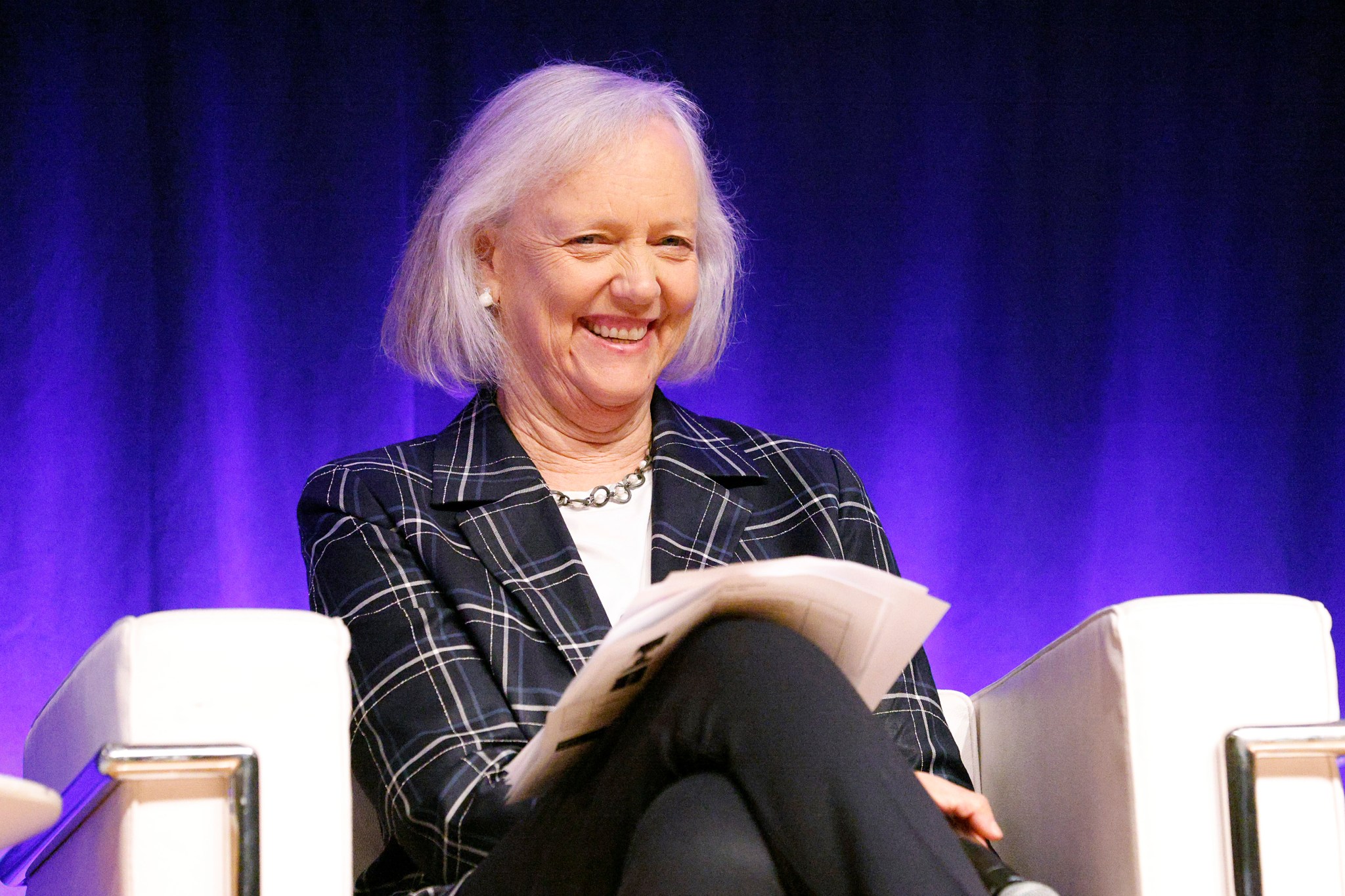
Albertsons Cos. has withdrawn its financial guidance for the remainder of the fiscal year, a rare corporate maneuver signaling that newly appointed Executive Chair Meg Whitman intends to pursue structural changes far more aggressive than previously outlined.
The Boise, Idaho-based grocer reported Tuesday that second-quarter net sales fell to $18.9 billion, driven by a 0.8% decline in identical sales — a metric excluding recently opened or closed locations. The contraction marks the second consecutive quarter of shrinking revenue for the operator of Safeway, Vons, Jewel-Osco, Tom Thumb, Randalls, and 17 other regional banners.
Withdrawing forward-looking projections effectively pauses Wall Street’s ability to model the company’s near-term performance. Corporations typically suspend guidance only when preparing for major portfolio restructuring, divestitures, or sweeping cost-realignment programs that render prior assumptions obsolete. Whitman told analysts during the earnings call that “everything should be on the table,” hinting at potential strategic actions that could include shedding underperforming brands.


The suspension overshadows the operational reset initiated in July by Chief Executive Officer Susan Morris. Her program, dubbed ACI Edge, targeted the company’s strategy, cost structure, and brand portfolio. Whitman’s arrival last month and her immediate escalation of the review timeline suggest the board concluded the original plan lacked the necessary speed or scope to arrest the sales deterioration.
Unlike traditional non-executive board chairs, an executive chair operates directly alongside the CEO in day-to-day strategy and execution. Whitman’s mandate places her in a hands-on advisory role over Morris, who assumed the top job in 2025 following the collapse of the proposed $24 billion merger with Kroger Co. That failed transaction triggered the departure of both companies’ previous chief executives and spawned ongoing litigation, with Albertsons currently suing Kroger for $9 billion in damages.
Whitman brings no grocery background to the turnaround. Her retail experience is limited to a decade leading eBay, where she transitioned the platform from a startup into a structured public company. She later took control of Hewlett-Packard in 2011 amid declining margins and botched acquisitions, ultimately orchestrating the 2015 split of the legacy tech giant into HP Inc. and Hewlett Packard Enterprise. The Albertsons board recruited her specifically for that history of dismantling and reassembling complex, underperforming organizations.
The macroeconomic environment leaves little room for error. Persistent food inflation and elevated fuel costs have forced lower-income consumers to trade down to cheaper private-label items or abandon traditional supermarkets entirely. While all grocers face these pressures, Albertsons operates with a fundamentally heavier cost structure than its primary competitors. Walmart and Kroger leverage massive scale to absorb margin hits, while warehouse operators like Costco and Sam’s Club thrive on high-volume, low-margin models that naturally appeal to budget-conscious shoppers.
Albertsons manages 22 distinct banners across the United States, a sprawling footprint that creates logistical friction. Maintaining separate supply chains, marketing strategies, and regional management teams for dozens of brands inflates overhead. Morris attempted to streamline this complexity before Whitman’s appointment by collapsing 11 operating regions into four and centralizing merchandising decisions under a single leadership team to accelerate pricing responses.
Those internal adjustments have yet to address the core vulnerability: shelf prices. Neil Saunders, managing director at GlobalData, characterized Albertsons’ pricing as significantly out of step with rivals, noting that premium pricing requires superior store experience, customer service, or private-label quality — areas where the chain currently does not hold a competitive advantage. Lowering prices to win back foot traffic will further compress margins unless offset by deep operational cuts elsewhere in the business.
Albertsons remains locked in its $9 billion breach-of-contract lawsuit against Kroger over the terminated merger agreement.