Kroger to Cut 3,000 Corporate Jobs as AI Strategy Expands
The restructuring eliminates 37% of headquarters staff as the supermarket giant redirects resources toward automation and competitive pricing.
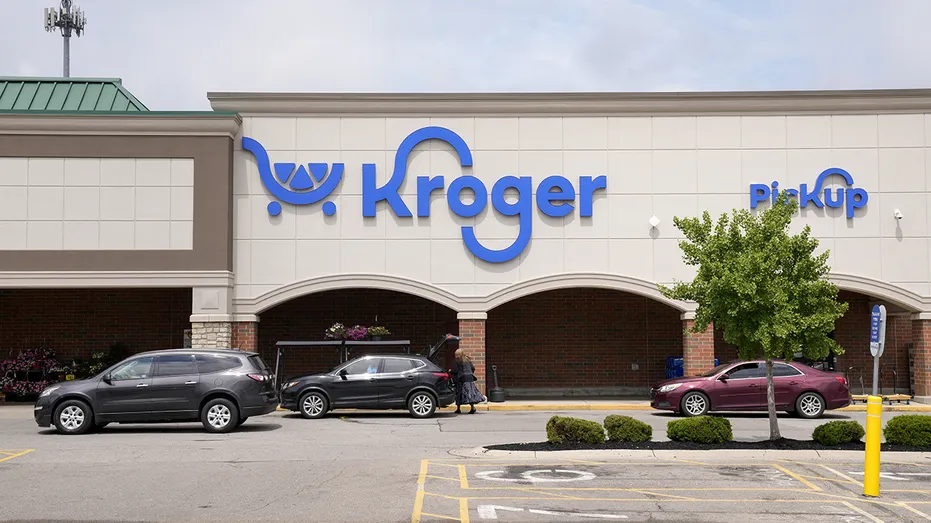
Kroger plans to eliminate roughly 3,000 corporate jobs over the next three years, a move that will erase more than a third of its headquarters workforce as the nation’s largest traditional supermarket operator accelerates its shift toward artificial intelligence.
The reductions target approximately 37% of the Cincinnati-based grocer’s 8,200 corporate employees. CEO Greg Foran outlined the restructuring in an internal memo, framing the cuts as necessary to strip out duplicative workflows and redirect capital toward lowering shelf prices and funding store-level labor.
This marks the second major contraction of Kroger’s corporate footprint in under two years. The company eliminated about 1,000 headquarters positions in June 2025. Combined with the newly announced timeline, Kroger is preparing to shed nearly half of its pre-2025 corporate staff, signaling a permanent structural pivot rather than a temporary cost-cutting exercise.


The overhaul arrives during a period of decelerating sales growth for the retailer. U.S. grocery operators have spent much of 2026 navigating persistent consumer price sensitivity and intense competition from Walmart, which continues to expand its automated supply chain capabilities, and discount chains like Aldi and Lidl. With food-at-home inflation stabilizing but remaining elevated compared to pre-pandemic baselines, legacy supermarkets face mounting pressure to defend market share without sacrificing already-thin operating margins, which typically hover between 1% and 3% across the industry.
Foran’s strategy leans heavily on automation to bridge that gap. In September, Kroger detailed plans to integrate proprietary and third-party AI models across its operations. Chief Digital Officer Yael Cosset stated at the time that the technology would allow the company to connect operational signals faster, fundamentally changing how quickly management could respond to inventory shifts and pricing data.
Rather than restricting these tools to executive tiers, Kroger is rolling out AI training and software access to its broader workforce of more than 400,000 employees. This approach mirrors a wider trend in retail logistics, where machine learning models are increasingly deployed for demand forecasting, perishable waste reduction, and dynamic pricing — areas where algorithmic efficiency can yield hundreds of millions of dollars in savings for a chain operating nearly 2,800 stores under banners including Ralphs, Fred Meyer, Harris Teeter, and King Soopers.
The corporate downsizing also follows the collapse of Kroger’s $24.6 billion proposed merger with Albertsons. A federal judge blocked that deal in late 2024 after the Federal Trade Commission sued to stop it, arguing the combination would harm consumers and workers. Forced to chart an independent course, Kroger has since prioritized internal modernization over external expansion to satisfy investor demands for margin improvement.
Kroger declined to comment on the latest workforce reductions beyond Foran’s internal communication. Specific details regarding which departments or regional offices will be most affected are expected to emerge in the coming months. The company is scheduled to brief investors on its updated strategic initiatives and long-term financial targets on Oct. 20.