TikTok, YouTube, Snapchat Urged to Match Meta’s Teen Safeguards
Advocates warn isolated platform reforms fail if minors migrate to competitors with looser restrictions.

A coalition of parents and child advocacy organizations is demanding that TikTok, YouTube, and Snapchat implement the same sweeping minor-protection protocols that Meta agreed to in August, warning that isolated platform reforms will fail if minors can simply migrate to competitors with looser restrictions.
The American Principles Project, alongside other family policy groups, sent a formal letter to the three platforms arguing that the design changes mandated by Meta’s recent legal settlement must become the baseline for the entire social media industry. Without uniform standards across major apps, advocates say the protections amount to an incomplete patchwork that leaves children vulnerable to algorithmic exploitation, predatory contact, and harmful content.
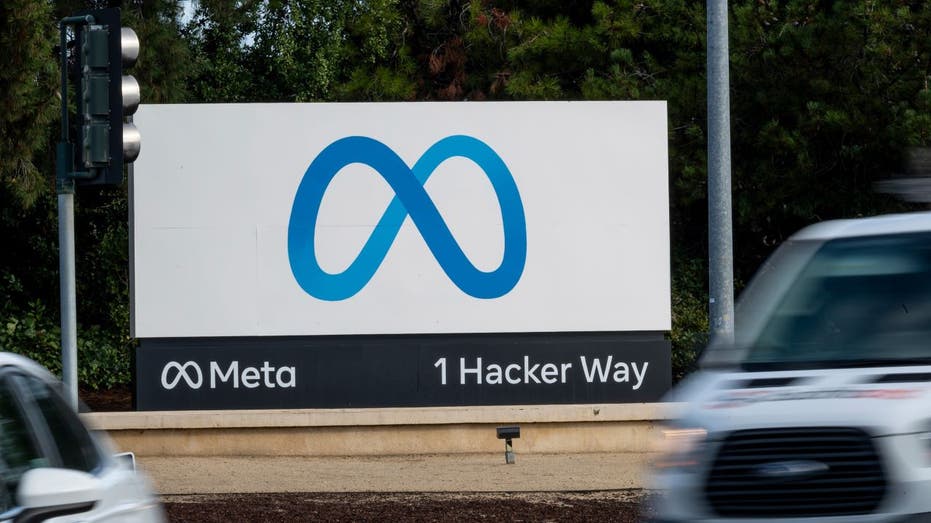
Meta’s August agreement with a bipartisan coalition of 52 attorneys general from U.S. states, territories, and Washington, D.C., carries a potential penalty of up to $18 billion. The settlement requires Facebook and Instagram to fundamentally restructure how minors interact with their services. Those mandates include strict daily time limits, automatic usage blocks during school hours and overnight, hidden like counts by default, robust age verification systems, and enhanced parental controls over algorithmic feeds and autoplay features.


Child safety researchers have long warned that targeting a single company or app creates a displacement effect. When one platform restricts access or alters its algorithm to reduce addictive loops, underage users frequently shift their screen time to competing services that lack equivalent guardrails. This dynamic has driven the current push for voluntary industry-wide adoption, as federal legislation remains stalled.
Congress has repeatedly attempted to pass comprehensive digital privacy laws for minors, including iterations of the Kids Online Safety Act (KOSA), but efforts have fractured over First Amendment concerns and disagreements regarding age verification infrastructure. In the absence of a federal mandate, individual states have moved aggressively. Utah, Texas, Louisiana, and Alabama have enacted laws requiring age verification and parental consent at the app-store level, attempting to intercept underage users before they create accounts rather than relying on platforms to police themselves after the fact.
The legal landscape shifted dramatically following the unsealing of internal documents during multi-state litigation, which revealed that executives at major tech companies were aware of the psychological risks their products posed to adolescents—ranging from severe anxiety and body dysmorphia to exposure to illicit material—yet continued to optimize engagement metrics designed to maximize time spent on screen.
Terry Schilling, president of the American Principles Project and a father of eight, stated that existing parental control tools are insufficient against the scale of automated content delivery. He emphasized that platforms have a duty to stop exploiting children for profit, pointing to persistent risks across TikTok, YouTube, and Snapchat, including exposure to violent or sexual content and direct contact with drug dealers and predators.

Unlike Meta, which operates primarily through centralized news feeds, platforms like Snapchat rely heavily on ephemeral messaging and location-based mapping features, while YouTube functions as both a search engine and a video host. Applying Meta’s specific safeguards—such as hidden likes or feed-level parental controls—requires different technical architectures depending on the service. YouTube, owned by Alphabet, already operates a separate YouTube Kids application, though critics note that older minors routinely bypass it to access the main platform.
The letter frames the requested changes not as optional corporate social responsibility initiatives, but as enforceable safe-design standards necessary to protect minors from commercial exploitation.
Representatives for TikTok, YouTube, and Snap had not issued public responses to the coalition’s demands as of Wednesday.