Apple HomeView Smart Display Debuts Under CEO John Ternus
The $299 screen anchors a new third-party accessory strategy designed to distribute Apple's upgraded Siri throughout the home.
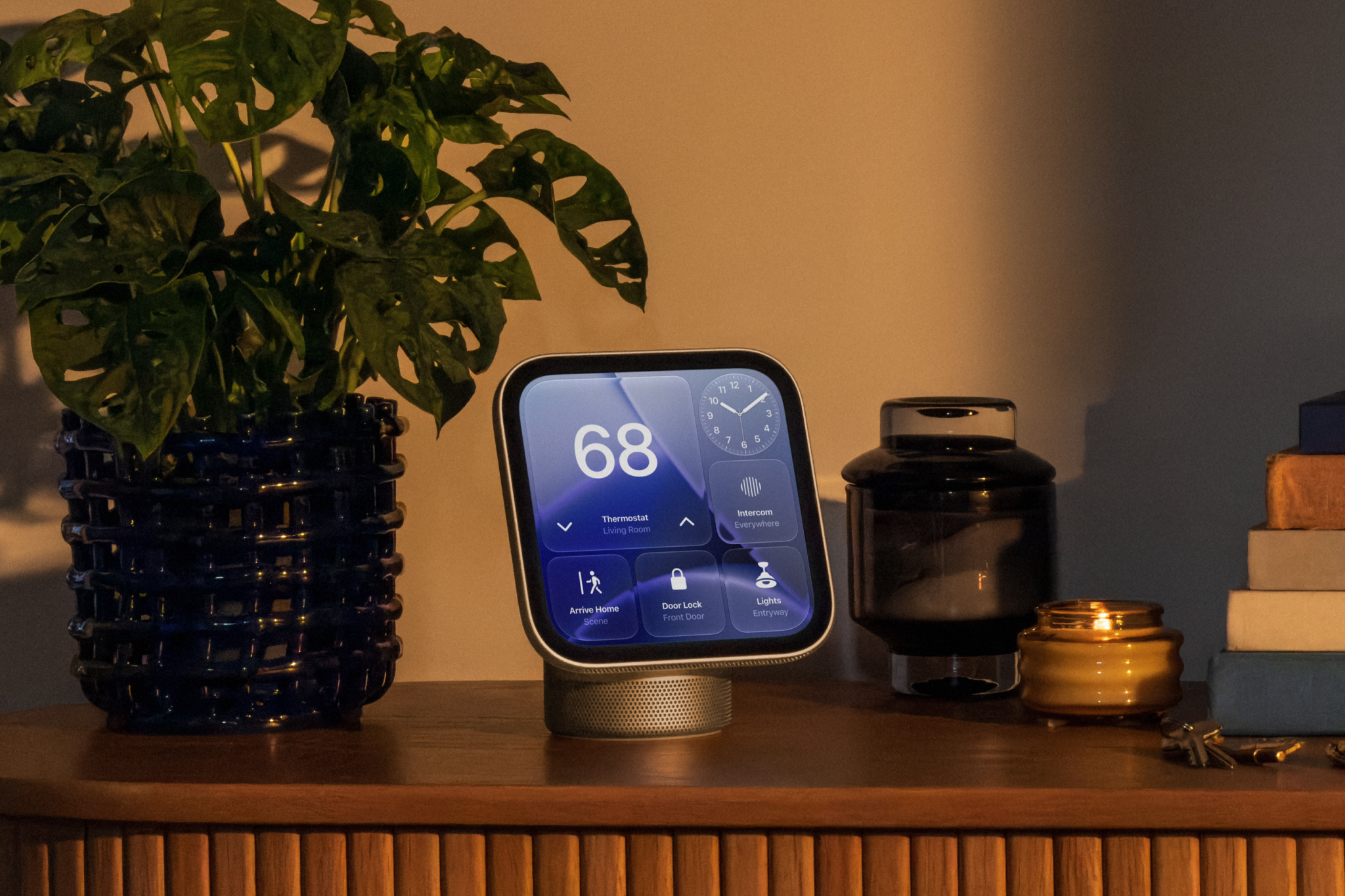
Apple is betting that a $299 tabletop screen and a network of third-party hardware partners can accomplish what years of standalone smart speakers failed to do: make Siri the central nervous system of the modern home.
The centerpiece of Tuesday’s product rollout is HomeView, a 7-inch smart display arriving in stores Nov. 13. The device, which features a wall-mounted variant, serves as the primary physical vessel for Apple’s newly rebuilt Siri assistant. Rather than relying solely on voice commands routed through an iPhone or a speaker, HomeView places the upgraded AI directly into kitchens, living rooms, and hallways where ambient computing takes precedence over active screen time.
Under new Chief Executive John Ternus, who succeeded Tim Cook in September, the company is rapidly expanding its hardware footprint to support this artificial intelligence strategy. Ternus, previously known internally for his deep expertise in product engineering, has now overseen two major launches in under eight weeks. The aggressive pacing reflects a broader urgency at Apple to monetize its AI investments before rivals establish insurmountable leads in domestic environments.


HomeView does not operate in isolation. Apple simultaneously introduced the HomePod mini 2, a refreshed Apple TV 4K equipped with a faster processor, and a suite of home accessories developed alongside LG and Schneider Electric. The expanded ecosystem includes a video doorbell, a smart thermostat, and a smart lock.
This partnership model marks a sharp departure from how competitors built their smart home empires. Amazon spent billions acquiring Ring, Blink, and Eero to control the connected home stack. Alphabet purchased Nest Labs in 2014 for $3.2 billion to anchor its domestic hardware presence. Apple has instead opted to license its platform standards to established industrial manufacturers, maintaining tight software control through Siri and the native Home app without absorbing the manufacturing overhead of producing every endpoint device.
The upgraded Siri, currently rolling out in beta across HomeView and the new Apple TV 4K, represents a fundamental architectural shift for the assistant. Powered by Google’s Gemini AI technology, the new iteration processes on-screen context, assists with drafting text, and searches local device data to deliver direct answers. Historically, Siri lacked the reasoning depth to handle complex queries, frequently routing users to external tools like ChatGPT or returning basic web search links. The integration of large language model capabilities aims to close the gap with offerings from OpenAI and Anthropic, though public awareness of the upgrade remains low.
A future software update will bring the same advanced assistant to the HomePod mini 2.
Revitalizing the home segment addresses a specific financial vulnerability. Revenue in Apple’s Wearables, Home and Accessories division declined 4% during fiscal 2025, settling at approximately $35.7 billion. The company issued a softer-than-expected revenue forecast in July ahead of its fiscal fourth-quarter earnings report, due in the coming weeks. For years, cheaper hardware from Amazon and Google dominated market share, while Siri’s limitations discouraged consumers from investing heavily in Apple’s premium home ecosystem.
Industry analysts view the current moment as a rare opening. Millions of early-generation smart speakers and hubs lack the processing power required to run AI models locally, creating a natural replacement cycle. Both Amazon, with its Alexa+ initiative, and Google, integrating Gemini into its Nest lineup, are only beginning to refresh their legacy hardware for the generative AI era.
Beyond the living room, Ternus is leveraging hardware innovation to drive immediate revenue. Last month he unveiled the iPhone Duo, Apple’s first foldable smartphone. While Apple has not disclosed sales targets, research firm Counterpoint initially projected roughly 6 million units for the year. Recent supply chain reports indicate Apple has increased component orders for the iPhone Duo by 30%, even as orders for the standard iPhone 18 Pro have contracted. Pre-orders for the foldable device open Friday, with retail availability set for Oct. 23.