Japan Slashes Population as Residency Fees Surge 2,000%
New income thresholds and language tests accompany a record 40% surge in foreign residents as the national population drops 3.5%.
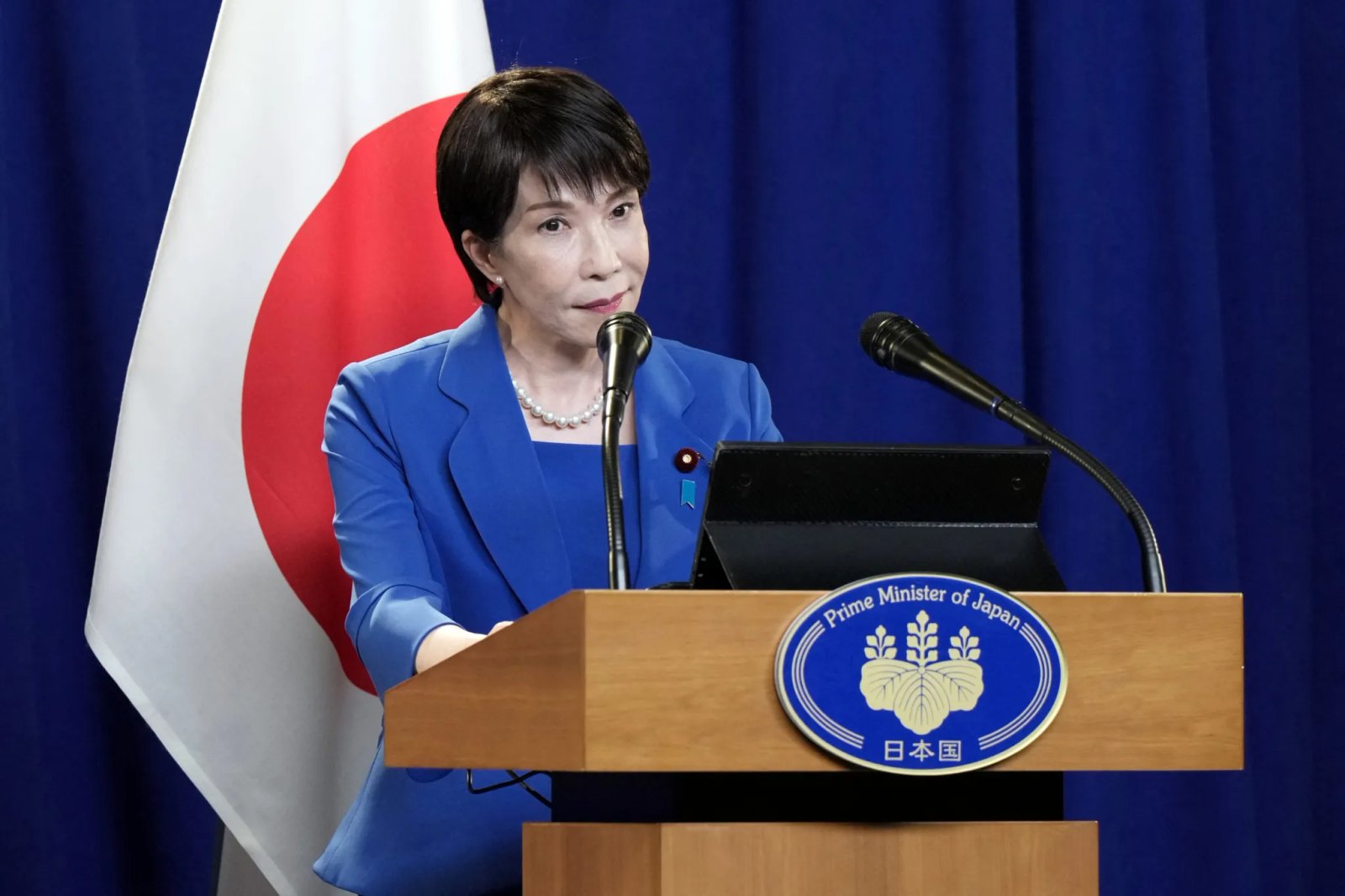
Foreign nationals seeking permanent residency in Japan now face a $1,271 application fee, up from $64, after the government enacted the largest immigration cost increase in the country’s history on Thursday. The 2,000% hike arrived just two days after new census figures confirmed Japanese citizens are disappearing at an accelerating pace.
The timing exposes a widening gap between Japan’s economic survival needs and its current political direction. As of October 2025, the number of Japanese nationals fell 3.5% to 119.1 million over five years, more than doubling the 1.4% decline recorded in the 2020 tally. Total population, including foreign residents, dropped 2.5% to 22.9 million. Yet under Prime Minister Sanae Takaichi, the government is actively raising barriers for the one demographic segment that is growing.
Foreign residents surged 40% to a record 3.84 million, pushing their share of the total population to 3.4%. Permanent residents alone climbed 17% to 947,125. For an economy where adult diapers have outsold baby diapers since 2011 and 29.4% of the population is 65 or older, this influx has historically functioned as a critical labor buffer. Industries ranging from construction and agriculture to eldercare and convenience retail rely heavily on foreign workers to operate. Unlike South Korea or Singapore, which have established specific visa tracks tied directly to acute industry shortages, Japan’s immigration framework has traditionally treated foreign labor through temporary technical training programs rather than a structured pathway to long-term integration.


The revised rules dismantle much of that passive approach. Beyond the steep fee increases—which also raised five-year residence permits from $38 to $475—applicants for permanent residency must now prove an annual income of at least $36,428. For the first time, authorities will evaluate candidates based on Japanese language proficiency and their understanding of local customs and regulations. The government also introduced revocation clauses allowing officials to strip permanent residency from individuals who fail to pay taxes, health insurance, or pension contributions, or who violate the penal code.
Takaichi framed the overhaul as a response to domestic unease. Writing on X ahead of the rollout, she argued that many permanent residents could not maintain independent livelihoods and stated the government was making foreign policy more orderly to address citizen anxiety and perceived unfairness.
This rhetoric marks a definitive shift toward nationalism under Takaichi, whose administration has simultaneously pushed for military expansion and adopted a harder diplomatic posture toward China and North Korea. Domestically, the pivot extends beyond long-term residents. In July, authorities hiked certain tourist visa prices by more than 400%, drawing criticism that the government is institutionalizing xenophobia while targeting the very tourism revenue that helps fund regional economies outside Tokyo.
While immigration restrictions tighten, domestic efforts to reverse the demographic collapse remain largely experimental. Japan’s total fertility rate has lingered far below the 2.1 replacement level for decades, prompting localized interventions. The Tokyo metropolitan government recently launched a state-sponsored dating app to encourage matchmaking and implemented a four-day workweek alongside partial leave policies for municipal workers to ease childcare burdens. These measures mirror broader national campaigns offering cash handouts and subsidized housing for families, yet none have successfully arrested a population decline that began around 2008.
With the new financial and linguistic requirements now active, prospective permanent residents must navigate an entirely restructured application process that prioritizes high earners with proven cultural assimilation, fundamentally altering the profile of who can legally build a long-term life in the world’s fourth-largest economy.