U.S. Military Strike Kills 5 on Suspected Cartel Boat in Pacific
The October 27 attack marks the latest escalation in a monthslong campaign that has killed at least 240 people across more than 70 strikes.
The U.S. military on Tuesday carried out a lethal strike on a vessel in the eastern Pacific that it said was involved in drug trafficking, killing five people it identified as “narco-terrorists,” according to U.S. Southern Command (SOUTHCOM).
“On October 27, under the direction of SOUTHCOM, Joint Task Force Western Hemisphere executed a lethal, kinetic strike on a go-fast vessel operating along established narco-trafficking routes in the Eastern Pacific,” SOUTHCOM said in a statement.
“Confirmed intelligence revealed the vessel’s active involvement in narco-trafficking,” the statement continued.

SOUTHCOM said five people it described as narco-terrorists were killed during the operation.
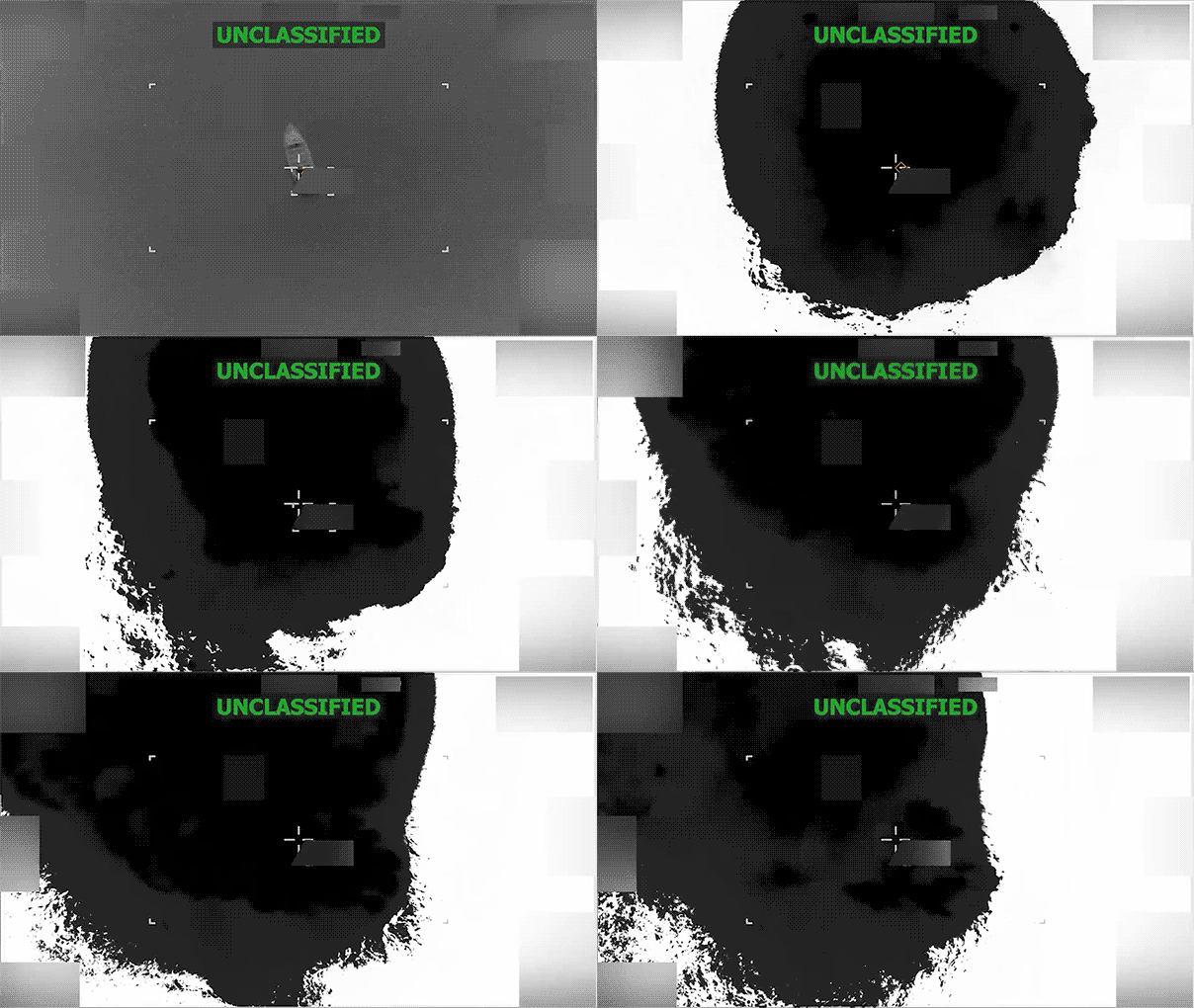
U.S. Southern Command released footage of a military strike on a suspected drug-trafficking vessel in the eastern Pacific on Oct. 27, 2026. (U.S. Southern Command)
Tuesday’s strike was the latest in the Trump administration’s monthslong campaign targeting suspected cartel vessels, which has now resulted in at least 240 deaths from more than 70 strikes, according to The Associated Press. The maritime interdiction effort, significantly expanded earlier this year, represents one of the most aggressive uses of U.S. military force against transnational criminal organizations outside of a formally declared armed conflict.
Video of Tuesday’s operation released by SOUTHCOM shows a vessel in the water before it erupts into a massive fireball.
SOUTHCOM did not specify where the strike occurred beyond identifying the eastern Pacific and saying the vessel was operating along established drug-trafficking routes. The eastern Pacific transit zone remains one of the world’s busiest corridors for illicit narcotics, routinely used by smugglers moving cocaine and other drugs northward from South America toward Mexico and the United States.
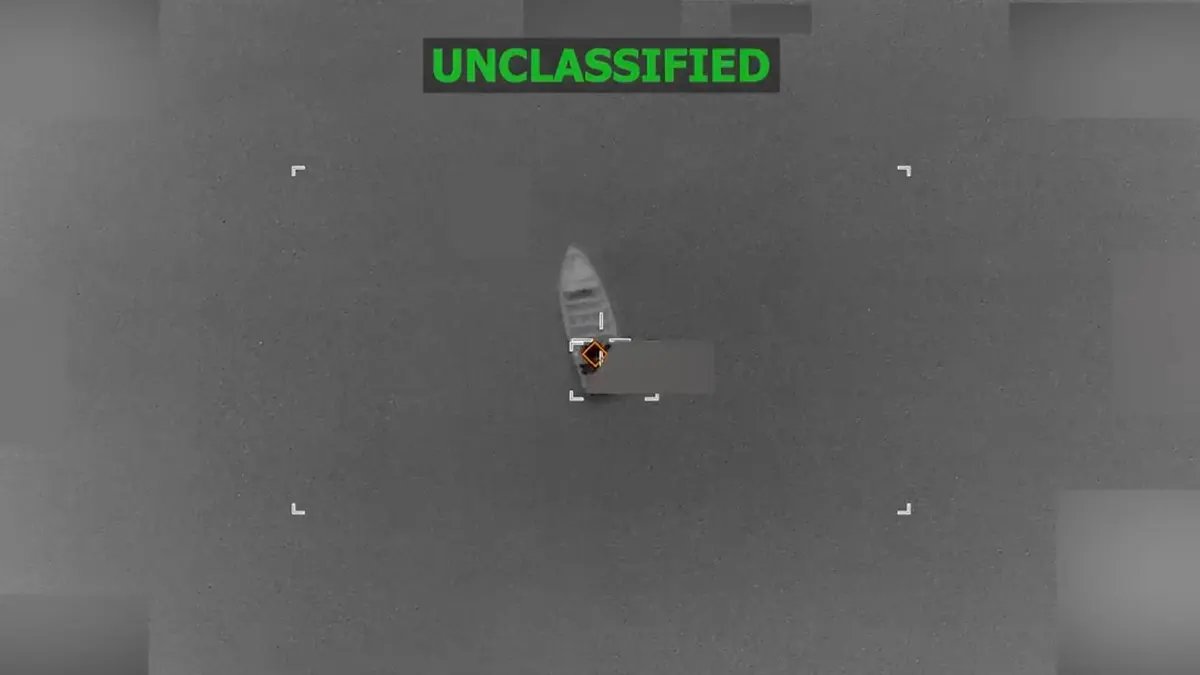
A vessel erupts into flames after being targeted by a U.S. military strike in the eastern Pacific that killed five people, according to SOUTHCOM. (U.S. Southern Command)
Throughout its campaign targeting suspected drug-trafficking networks, the military has released videos and statements describing those aboard the targeted vessels as “narco-terrorists” or alleging links to designated terrorist organizations. However, it has generally not identified those killed or provided evidence that the vessels were carrying narcotics.
The strikes have generated scrutiny from lawmakers, legal experts and human rights groups who have questioned the legal basis for using lethal military force against suspected traffickers outside a traditional battlefield. Critics argue that applying wartime rules of engagement to law enforcement targets raises significant constitutional and international law concerns, while supporters maintain that the sheer scale of cartel violence justifies treating them as hostile combatants.
SOUTHCOM’s continued operations in Latin America and the Caribbean come after Secretary of State Marco Rubio said last month that the U.S. was increasingly seeking to conduct counter-narcotics operations in cooperation with regional allies and in accordance with their laws.
Rubio told reporters that while the U.S. has “the capacity to act unilaterally,” it would rather work with its allies because that is “the most effective way to do it.” This diplomatic approach reflects broader efforts to secure basing rights and intelligence-sharing agreements across Central and South America to sustain the maritime campaign.
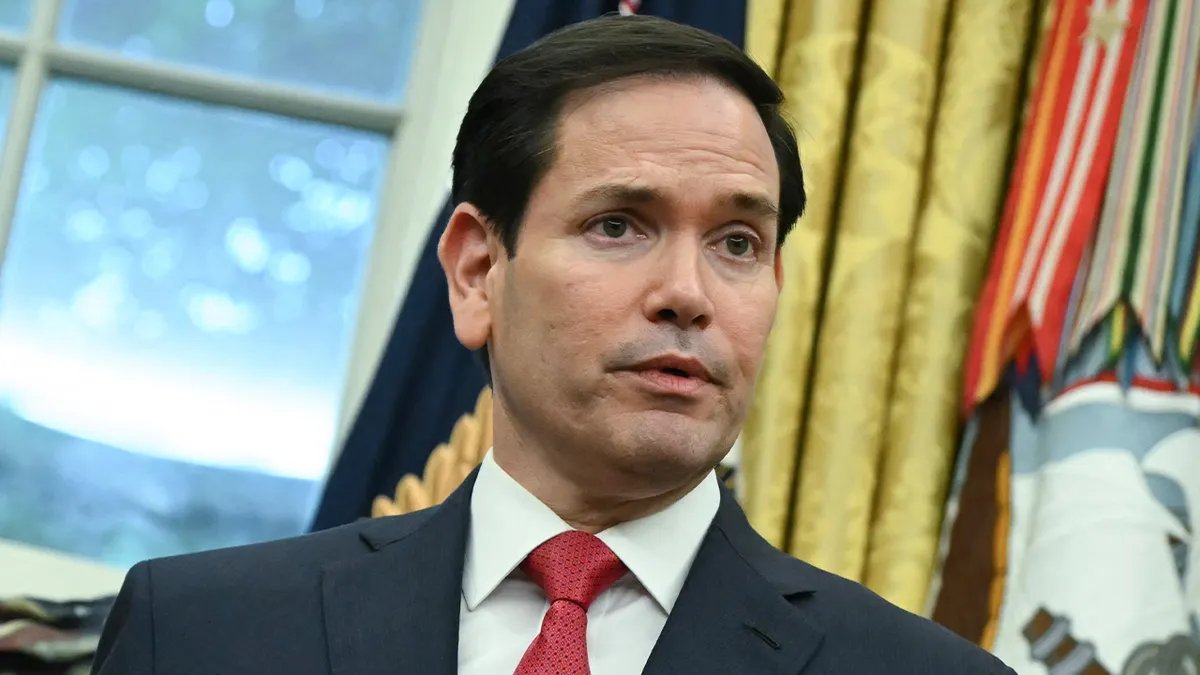
Secretary of State Marco Rubio has said the United States prefers to work with regional allies on counter-narcotics operations while maintaining the ability to act unilaterally. (ANDREW CABALLERO-REYNOLDS/AFP via Getty Images)
Rubio also said the U.S. military would “still blow up ships if need be” and that decisions would be made on “a strike-by-strike or operation-by-operation” basis.
In recent months, SOUTHCOM has also released several videos showing military personnel intercepting and boarding vessels it said were involved in narco-trafficking before removing their crews and sinking the boats.