Satya Nadella’s Biggest Microsoft Regret: Staying Silent
A 2008 acquisition review under Bill Gates taught the Microsoft CEO that withholding architectural objections damages corporate decision-making.
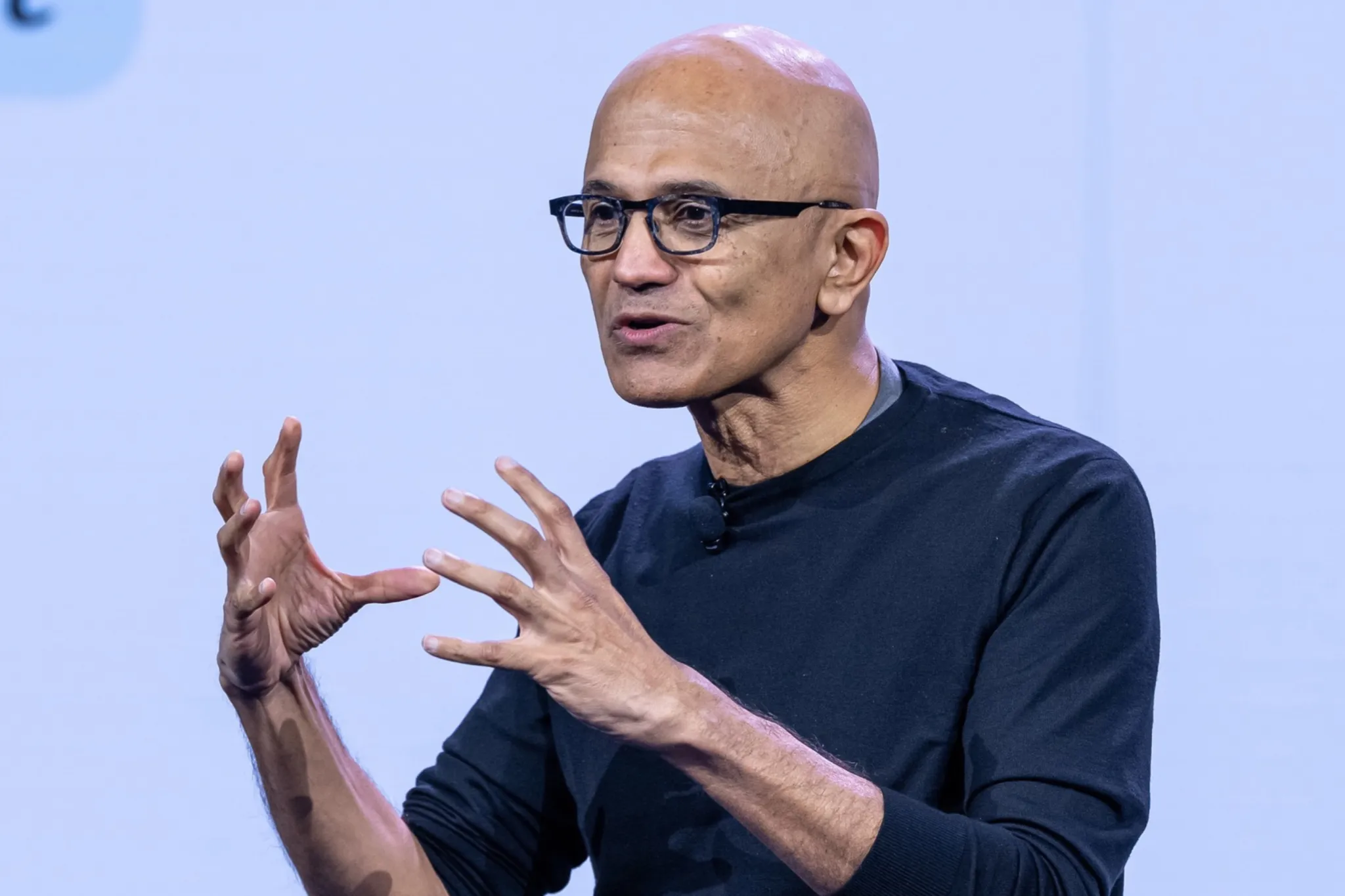
Microsoft CEO Satya Nadella carries a specific professional regret from 2008 that continues to shape how he manages the $4 trillion technology giant. During an internal acquisition review convened by then-chairman Bill Gates, Nadella recognized a proposed deal for a parallel data warehousing team was architecturally flawed but chose not to object.
“I looked at it, [and thought], it is completely architecturally stupid in that time to go buy that,” Nadella said on this week’s episode of the Confession with Ali Partovi podcast. He sat through the presentation without voicing his assessment, later dismissing the session as a waste of time.
The silence proved formative. Nadella now frames the incident as a direct threat to corporate decision-making: the possibility that the person in a room who sees the future most clearly chooses not to advocate for it. That fear drives his current efforts to institutionalize dissent across Microsoft’s workforce of roughly 228,000 employees.


At the time of the failed objection, Nadella led Microsoft’s search engine division, which was locked in a costly battle against Google’s dominance. The company eventually launched Bing in 2009 under former CEO Steve Ballmer, who directly intervened in Nadella’s approach to internal conflict. Ballmer pushed subordinates to abandon narrow departmental thinking and adopt what he called an “owner mindset,” prioritizing the broader corporation over individual silos.
Nadella applied that directive when he assumed the CEO role in 2014, inheriting a culture widely criticized for internal friction. His immediate priority became dismantling the stack-ranking performance review system implemented during Ballmer’s tenure, which graded employees against one another and historically discouraged collaboration or challenges to leadership. Replacing it required building an environment where pursuing the “global maxima”—the best overall outcome rather than a localized win—became a cultural norm rather than a career risk.
“Life’s not lived by just being so transactional about everything,” Nadella said. “Because at the end of the day, we all perish, and nobody’s going to look at any balance sheet or income statement. It’s going to be like, hey, ‘How do you live your life?'”
The push to normalize workplace disagreement extends well beyond Redmond. Netflix cofounder Reed Hastings built his company’s management framework around the premise that withholding criticism constitutes a failure of duty. “To disagree silently is disloyal,” Hastings stated in 2024, instructing Netflix managers to actively “farm for dissent” during strategic discussions rather than waiting for objections to surface organically.
Bridgewater Associates founder Ray Dalio enforces a stricter version of this philosophy at the world’s largest hedge fund. His operational rule requires employees to either voice concerns publicly, take ownership of the issue, or leave the firm. Private complaints are explicitly prohibited under Bridgewater’s principles of radical transparency.
Former PepsiCo CEO Indra Nooyi focused on the mechanics of extracting those opinions. She advised leaders to systematically close meetings by asking every participant if they have anything to add, specifically targeting individuals who might otherwise be talked over or assume their input would be ignored.
For Nadella, engineering this behavior at scale remains an ongoing operational challenge rather than a solved problem. The acquisition review he sat through quietly nearly two decades ago established the baseline tension he now navigates daily: balancing the speed required to execute decisions with the friction necessary to ensure those decisions are correct. Microsoft’s fiscal first-quarter earnings report is scheduled for release on October 29.