

How to Sharpen a Serrated Knife Without Ruining the Blade
Proven techniques for honing individual gullets and removing burrs without damaging factory edge geometry
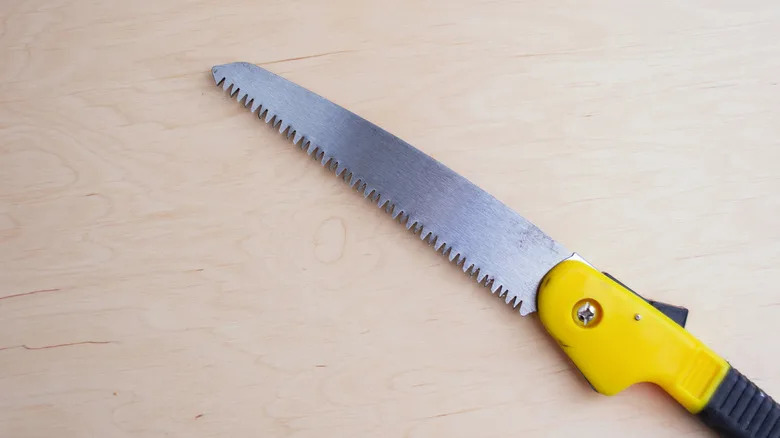
Serrated blades handle tough slicing tasks that stall traditional straight-edge knives, from sawing through fibrous rope in field operations to slicing crusty sourdough without crushing the loaf. Multi-tools manufactured by Leatherman, tactical pocket knives, emergency rescue gear, and Swiss Army Knives frequently feature scalloped profiles for this reason. Yet when those jagged points and curved valleys eventually lose their bite, many owners assume the blade cannot be refurbished at home.
Restoring a scalloped edge demands an approach entirely distinct from sharpening standard cutlery. Conventional pull-through sharpeners and benchtop whetstones grind straight across an edge, which flattens serrations and permanently destroys the blade’s profile. Instead, the process centers on maintaining individual recesses known as gullets, preserving the precise factory geometry that gives the tool its cutting power.
Most serrated edges feature a chisel grind, meaning only one face of the steel carries a beveled angle while the reverse side remains completely flat. Attempting to sharpen both sides equally is among the most frequent maintenance errors, quickly wearing down the teeth. The primary work must occur strictly on the beveled face, addressing each gullet one by one.


A tapered sharpening rod serves as the most versatile manual tool for the job. Often coated in fine ceramic or diamond abrasive, these conical rods fit varied recess diameters across different knife brands. Before beginning, users must clean the steel to remove grease or debris, and verify that folding knives or multi-tools are locked open securely. Working in bright light, seat the tapered rod into a gullet until its diameter matches the width of the curve. Stroke the rod smoothly away from the cutting edge at the existing factory angle, applying light pressure across several passes before moving sequentially from the heel of the blade to the tip.
Mechanized alternatives exist for high-volume maintenance, provided the equipment includes dedicated serration capabilities. Motorized systems such as the Chef’sChoice Trizor XV Knife Sharpener bypass aggressive metal grinding wheels in favor of flexible stropping disks during their finishing stages, realigning jagged edges without removing excess steel.
Manual filing inevitably pushes a thin ridge of displaced metal, known as a burr, onto the flat side of the blade. Removing this wire edge requires minimal intervention: lay the unground side completely flat against a leather strop or fine sharpening stone, then make two or three gentle, flush passes. Grinding into the flat reverse side at an angle will erode the serration profile.
While routine dullness responds well to tapered rods, severe structural damage requires realistic assessment. Bent teeth, cracked gullets, or deep chips sustained during heavy prying generally cannot be recovered through routine honing and warrant factory warranty service, professional regrinding, or complete blade replacement.









