

FlyDubai Hired Co-Pilot Oman Air Barred Over Extremism
Multinational probe examines how a pilot previously grounded for suspected radicalization passed airline vetting to board a flight carrying 182 people.
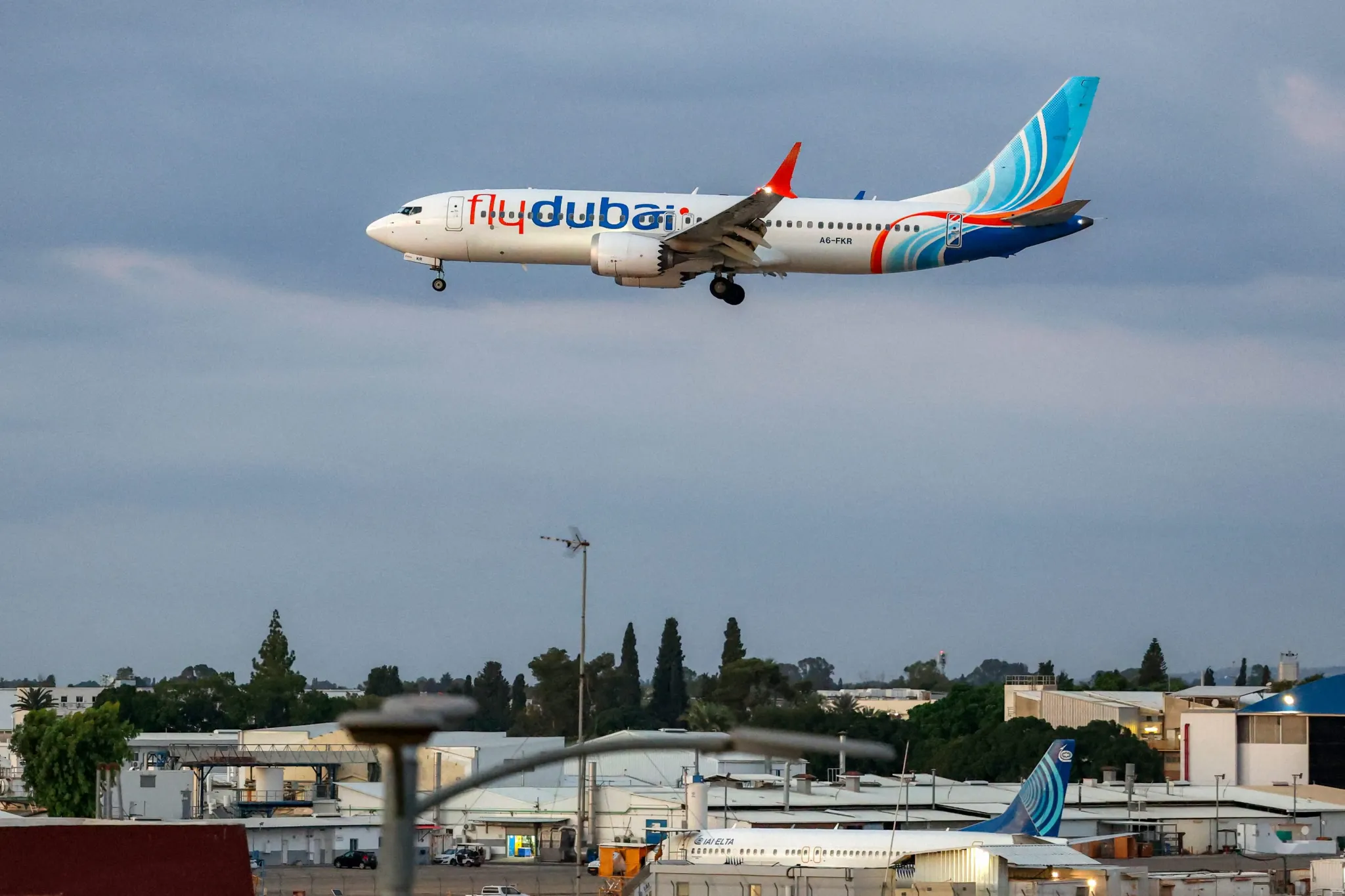
Hamam al-Hammami, the co-pilot who attacked his captain with a crash axe aboard a flight carrying 182 people toward Israel on Wednesday, had already been grounded by his home country’s national carrier over suspected extremist sympathies before UAE-based FlyDubai put him in the cockpit.
The revelation exposes a critical gap in international aviation hiring protocols. While airlines routinely conduct criminal background checks and verify flight hours through regulatory databases, they lack a standardized mechanism to share intelligence regarding ideological radicalization or internal administrative restrictions imposed by previous employers. Al-Hammami was moved from flying duties to an administrative role at Oman Air before eventually securing employment with FlyDubai, according to a regional official and a person familiar with the matter. Both spoke on condition of anonymity because the investigation is active.
Born in the UAE to a Syrian mother and an Omani father whose nationality he inherited, al-Hammami had traveled to Syria at an unspecified point. Investigators from four regional countries, supported by U.S. and Western intelligence agencies, are currently attempting to determine whether he operated alone or maintained ties to organized extremist networks. His Instagram account remained active until the day of the flight before being abruptly deleted.


The United Arab Emirates officially classified the mid-air assault as a terrorist attack. Al-Hammami seized the emergency crash axe—a mandatory piece of cockpit safety equipment designed to breach panels during fires or facilitate window escapes—and struck the captain before attempting to force the aircraft into a steep descent. The maneuver generated aerodynamic stress severe enough to tear away part of the rudder. Aviation engineers have noted that modern commercial airframes are built to withstand significant structural damage, but losing partial rudder authority at cruising altitude typically leaves pilots with only asymmetric engine thrust to maintain directional control, making the survival of the aircraft highly unusual.
The captain, severely wounded, managed to unlock the reinforced cockpit door using his remaining strength. That action allowed off-duty crew members traveling on the flight and passengers to rush in, physically subdue al-Hammami, and stabilize the controls. The aircraft executed an emergency landing in Saudi Arabia. Most of the passengers were Israeli nationals, who returned home later Wednesday on a separate charter.
How an Omani national ended up piloting a plane full of Israeli passengers toward Tel Aviv has triggered scrutiny of bilateral aviation security agreements. Israel maintains strict protocols with foreign carriers operating into Ben Gurion Airport, including requirements that airlines prevent pilots from nations lacking diplomatic relations with Israel from crewing those specific routes. Oman and Israel do not have formal diplomatic ties. The incident arrives one week before the anniversary of the Oct. 7, 2023, Hamas-led attack, intensifying domestic political pressure in Israel where aviation and border security remain central campaign issues ahead of upcoming elections. Israeli Prime Minister Benjamin Netanyahu stated Friday that al-Hammami had undergone “Islamist radicalization,” though no supporting evidence was released.
Al-Hammami’s professional trajectory prior to the attack involved multiple rejections across different jurisdictions. Royal Air Maroc confirmed he completed a three-month theoretical training program with the Moroccan national carrier in 2025 as part of its pre-employment screening, but his application was ultimately rejected. He also finished a distance-learning course in aviation management at Buckinghamshire New University in England, which noted he never undertook practical pilot training through their institution.
FlyDubai acknowledged in a statement that “there are many questions at this stage” but declined to elaborate beyond official releases. Oman Air and the Omani government have not responded to repeated inquiries since Wednesday.
Both the captain and al-Hammami have been transferred back to the UAE, where authorities are holding the co-pilot as the multinational investigation continues.









