

FlyDubai Cockpit Attack Exposes Insider Threat Gap in Israel Aviation Security
Israel mandates pilot identity checks for all inbound foreign flights after Omani copilot allegedly stabbed captain on Dubai-Tel Aviv route
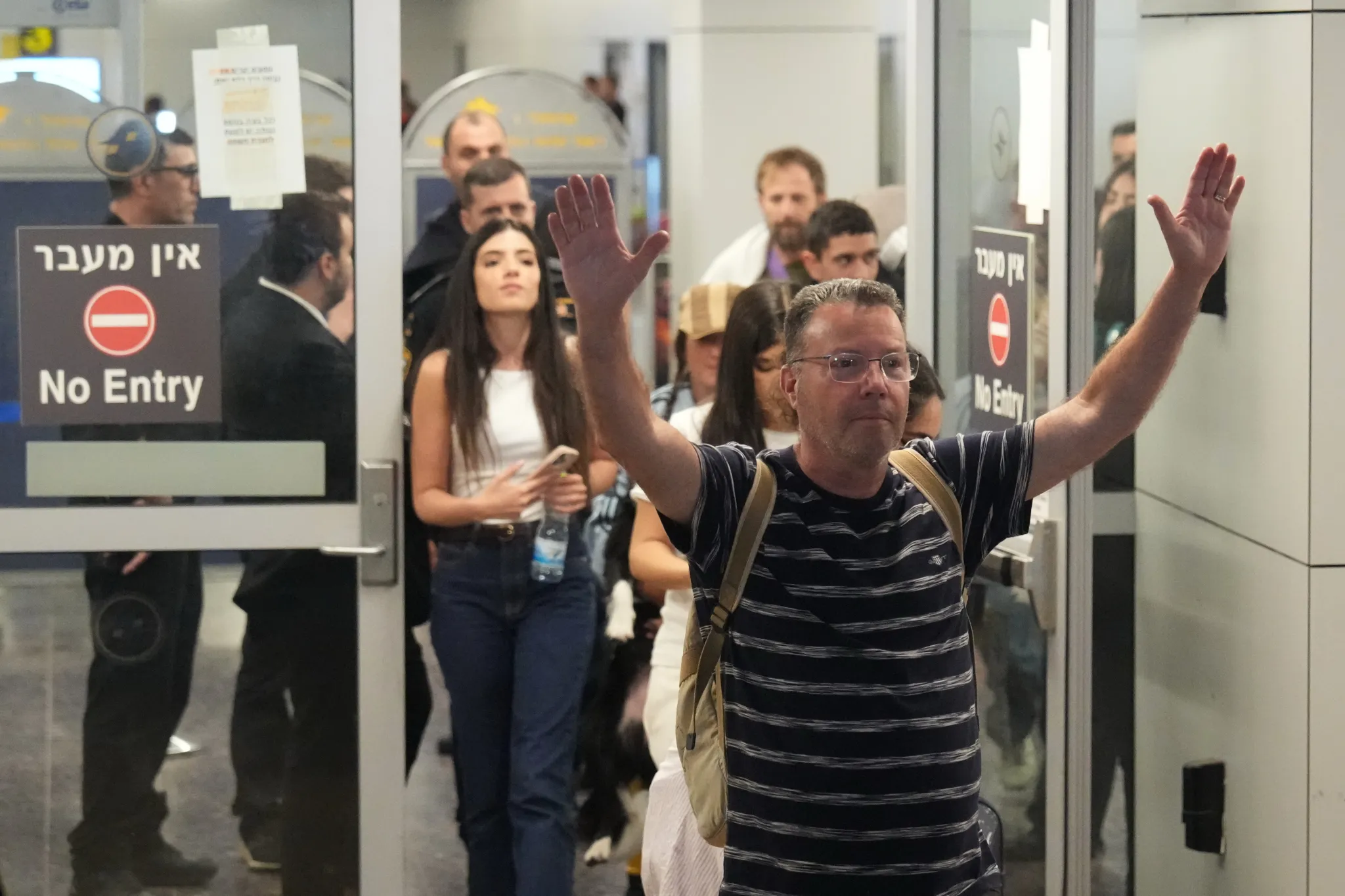
An alleged assault by a copilot on the captain aboard Flydubai flight FZ1073 has exposed a critical vulnerability in aviation security: the inability of screening protocols to detect threats originating from within the flight deck. The incident, which occurred Wednesday on a Dubai-to-Tel Aviv route carrying 182 people, has triggered an immediate overhaul of crew vetting procedures for all foreign carriers flying into Israel and raised questions about international compliance with existing safety standards.
Israeli Prime Minister Benjamin Netanyahu confirmed Thursday that new security directives will require identity verification and enhanced vetting for all pilots operating flights into Israeli airspace, regardless of the airline’s nationality. This policy shift addresses what officials described as a loophole that allowed an Omani national to serve as first officer on a Tel Aviv-bound flight despite the absence of formal diplomatic relations between Oman and Israel. Under long-standing agreements, citizens of nations without diplomatic ties to Israel are generally barred from operating flights into the country.
The suspect allegedly stabbed the captain after takeoff from Dubai International Airport, causing the Boeing 737 to enter a steep descent before passengers intervened. The injured captain managed to unlock the reinforced cockpit door, allowing civilians to subdue the copilot while other crew members regained control of the aircraft. The plane made an emergency landing at Prince Sultan bin Abdulaziz International Airport in Tabuk, Saudi Arabia, after air traffic controllers in Jordan and Saudi Arabia initially hesitated to grant landing clearance following a hijack declaration.


Aviation security experts say the attack highlights the limitations of post-9/11 security architecture, which was designed primarily to prevent passenger-borne threats rather than insider attacks. Reinforced cockpit doors installed globally after the 2001 terrorist attacks successfully prevent unauthorized entry but create a sealed environment where a rogue crew member can operate without external intervention. Philip Baum, a visiting professor of aviation security at Coventry University, noted that while these doors protect against hijackers, they also create a fortress that prevents access when the threat originates inside.
The investigation is now focused on determining how the alleged weapon entered the sterile area and whether preflight crew screening at Dubai International Airport met international benchmarks. Dave Komendat, a senior security adviser at International SOS and former Boeing chief security officer, stated that crew screening should mirror passenger protocols, though implementation varies significantly by jurisdiction. Investigators have not disclosed whether the stabbing instrument was brought through security or sourced from onboard equipment.
Eyal Hulata, Israel’s former national security adviser, acknowledged that intelligence and security resources have historically prioritized passenger and luggage screening over crew vetting. The assumption that licensed pilots pose minimal risk has been a foundational element of global aviation security, but this incident suggests that psychological evaluations and background checks may require more frequent reassessment. El Al, Israel’s flag carrier, conducts periodic fitness-to-fly assessments for its pilots, but such rigorous monitoring is not universally mandated across international carriers.
Legal complications emerged during the emergency response when regional authorities delayed granting landing permission. While the 1944 Convention on International Civil Aviation encourages states to assist aircraft facing unlawful interference, the treaty language only requires assistance “as practicable,” creating ambiguity during politically sensitive emergencies. John Gradek, manager of McGill University’s Aviation Management Program, emphasized that standard emergency protocol dictates landing at the nearest suitable runway regardless of political considerations, though operational realities often complicate this ideal.
Saudi, Emirati, and Israeli authorities are leading the investigation with assistance from the United States and Oman. Menachem Bachrach, an aviation security expert, cautioned that the breach may represent a failure to follow established protocols rather than a systemic flaw in international standards. The International Civil Aviation Organization sets baseline licensing and vetting requirements, but national regulators retain authority over additional security measures, creating uneven enforcement across different jurisdictions.
Osprey Flight Solutions Chief Intelligence Officer Matthew Borie warned that aviation insiders possess specialized knowledge of security vulnerabilities and maintain regular access to restricted areas, making them uniquely positioned to exploit weaknesses. Unlike passengers who undergo scrutiny only at checkpoints, crew members build familiarity with security personnel and procedures over time, potentially reducing the effectiveness of routine screening.
Doron Spielman, spokesperson for the Israeli prime minister’s office, confirmed that no air marshals were present on FlyDubai Flight FZ1073 and that civilian passengers played a decisive role in neutralizing the threat. The captain’s decision to open the cockpit door despite his injuries proved critical to resolving the crisis, as locked doors would have prevented any external intervention.
Authorities continue to review air traffic control communications and distress signal handling to determine why initial landing requests were refused and assess whether communication protocols contributed to the extended emergency. The suspect remains in custody as investigators examine potential motives, red flags in employment history, and possible lapses in pre-departure security compliance.









