Ethiopia-Eritrea War Risk Grows as Tigray Peace Pact Collapses
Rebel coalitions, Red Sea port demands and Nile water disputes compound the collapse of the 2022 ceasefire.
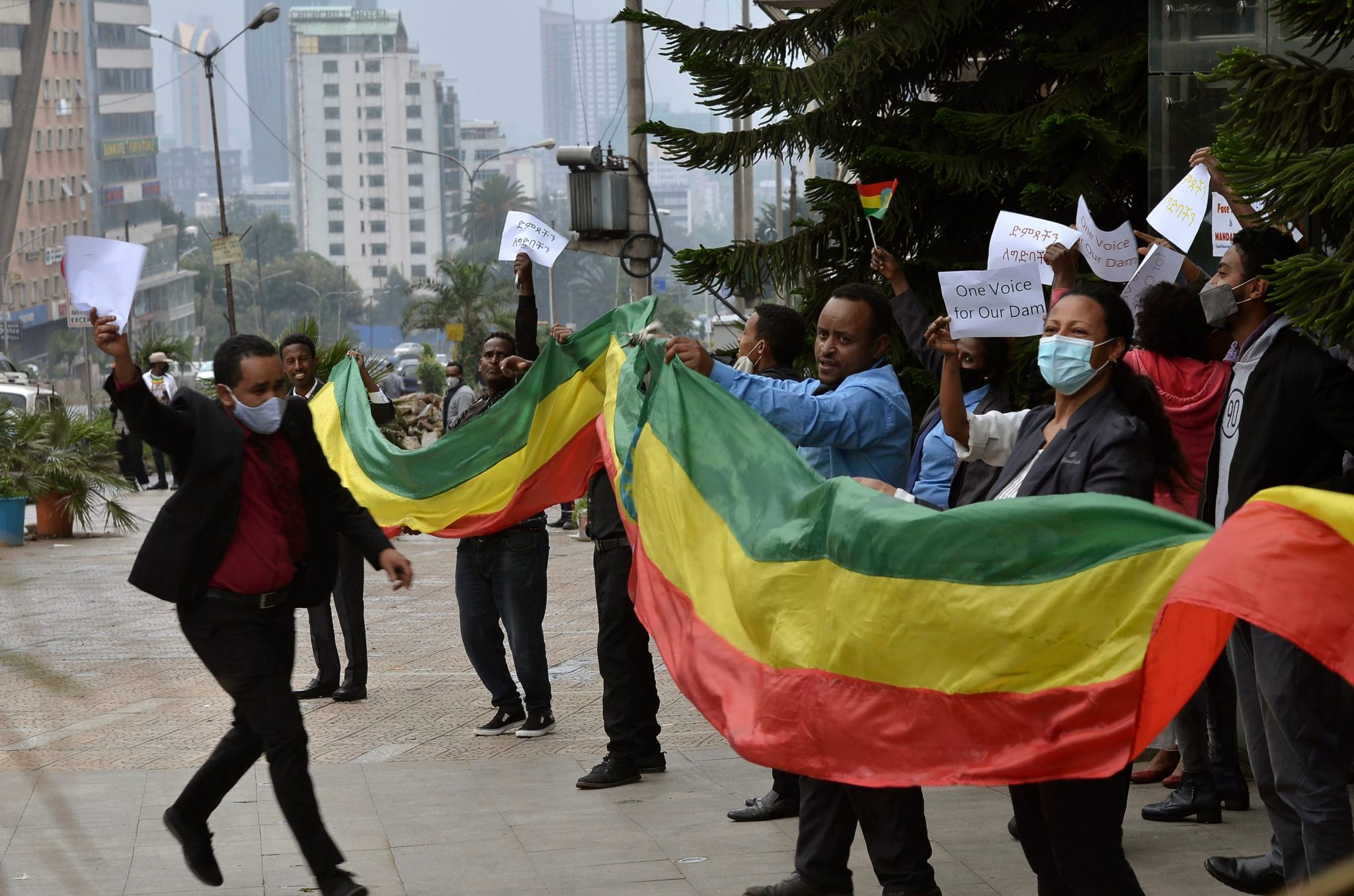
Diplomatic channels between Ethiopia and Eritrea have collapsed, with Asmara treating Addis Ababa’s claims of self-defense as a formal declaration of war. The rupture follows the Oct. 4 entry of government-aligned fighters into Mekelle, the capital of Ethiopia’s northernmost region, effectively nullifying the 2022 Pretoria peace agreement that halted a two-year conflict responsible for an estimated 500,000 civilian deaths, according to researchers at Ghent University in Belgium.
The breakdown extends far beyond Tigray. Ethiopian Prime Minister Abiy Ahmed’s repeated demands for sovereign access to Eritrea’s Red Sea port of Assab have transformed former wartime partners into active adversaries. Eritrea accuses Ethiopia of plotting to seize coastal territory by force. Ethiopia alleges Eritrean troops occupy its land and arm insurgents, claims The Associated Press reported it could not independently verify.
Federal forces now face a seven-group rebel coalition. The Ethiopian Peoples’ Forces Alliance for Survival, formed in September, unites the Tigray People’s Liberation Front (TPLF) with the Amhara Fano National Movement and the Oromo Liberation Army. Magnus Taylor, an International Crisis Group analyst, told the AP that while parallel military campaigns could stretch federal troops across several fronts, whether these historically divided factions can coordinate remains unclear. A splinter faction, the Tigray Peace Force, fights alongside government troops against the rebels.


Eritrea was excluded from the 2022 ceasefire. U.N. experts and human rights organizations accused its soldiers of rape, looting and other abuses during the 2020-2022 war. Eritrean President Isaias Afwerki dismissed those allegations as “a fantasy” in 2023.
Addis Ababa’s broader push to escape its status as the world’s most populous landlocked country — home to an estimated 135.5 million people dependent on Djibouti’s port for trade — has destabilized the Horn of Africa. A 2024 memorandum proposing a naval base lease in Somaliland, a breakaway Somali region, in exchange for diplomatic recognition provoked outrage in Mogadishu. Turkish mediation later produced a framework for commercial sea access under Somali sovereignty, but the damage to regional alignments had already occurred.
Somalia subsequently deepened ties with Egypt and Eritrea. Leaders of the three nations pledged security cooperation in October 2024, merging Somalia’s territorial anxieties with Cairo’s dispute over Nile waters and Asmara’s port concerns.
Egypt views Ethiopia’s Grand Ethiopian Renaissance Dam, inaugurated in September 2025 on the Blue Nile near Sudan, as an existential threat to its water supply. Cairo and Khartoum demand binding rules governing reservoir filling and drought-period releases. Addis Ababa insists on non-binding guidelines and maintains the project, designed to double national electricity generation capacity for domestic use and power exports, will not deprive downstream nations of their water shares.
A U.S. offer in January to mediate the dam dispute was welcomed by Egypt and Sudan. Meanwhile, a separate 2024 Nile Basin accord promoting equitable river use took effect with backing from Ethiopia and five other nations. Egypt and Sudan refused to sign it.
Abiy announced a six-month caretaker administration for Tigray to restore services and prepare for elections. Taylor warned that losing urban centers does not prevent rebel forces from regrouping in rural areas. The proximity of mobilized Ethiopian and Eritrean units along the border continues to elevate the risk of direct state-on-state combat.