Chevy Bolt Crushes Nissan Leaf Sales Despite Shorter Range
A $2,300 price difference drove buyers to the Chevy despite the Nissan offering 41 more miles of range per charge.
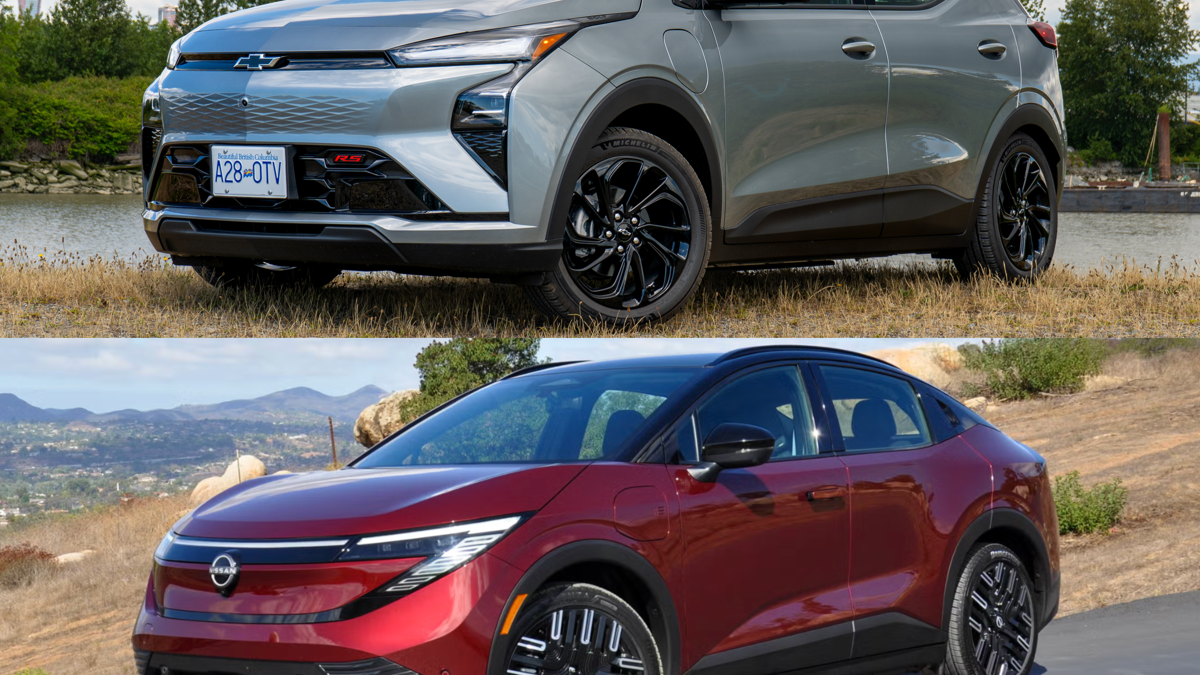
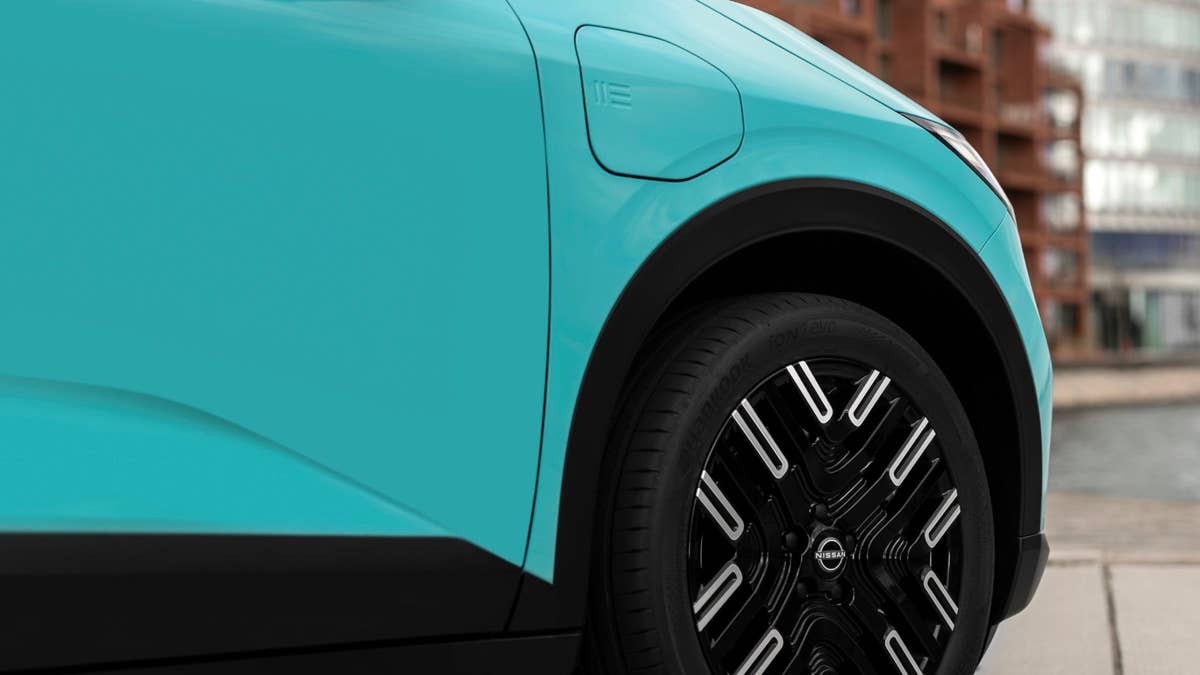
The 2027 Chevrolet Bolt has outsold the redesigned 2026 Nissan Leaf by more than 3.5 to 1 through the first three quarters of 2026, according to sales data from Cox Automotive. Buyers in the sub-$30,000 electric vehicle market are choosing the cheaper option even though it delivers less range.
General Motors sold 8,090 Bolts year-to-date in 2026. That figure represents a 6,477% increase over the same period last year, when only 123 units moved because no new-generation model was available for most of 2025. Nissan Leaf registrations fell 50.1%, dropping from 4,649 units to 2,318, despite the Japanese automaker launching a completely overhauled hatchback that reviewers have widely praised for its driving dynamics and interior quality.
The math behind the sales split is straightforward. The base Bolt starts at $27,600. The base Leaf costs $29,900. For budget-conscious shoppers—the exact demographic these vehicles target—a $2,300 price gap on a sub-$30,000 purchase is substantial.
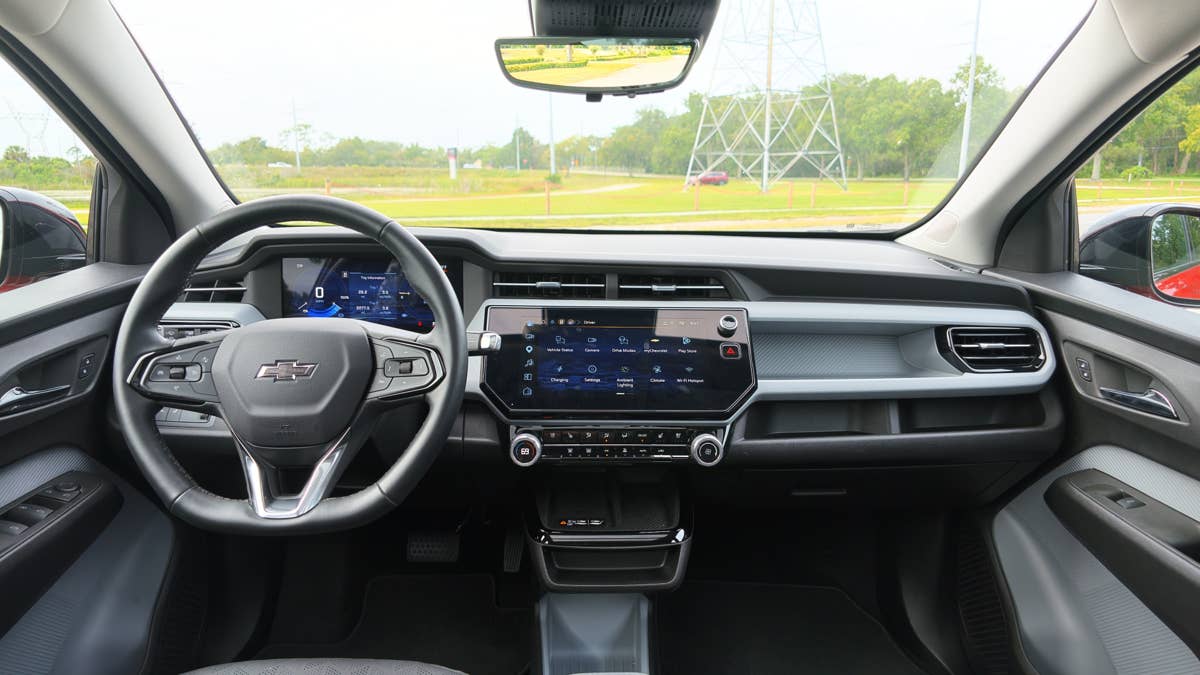
Nissan charges more but delivers more hardware. The Leaf packs a 214-horsepower motor and achieves 303 miles of range on a full charge. The entry-level Bolt uses a 210-horsepower motor paired with a 65-kWh battery that tops out at 262 miles. Both come standard with an 11.3-inch touchscreen, automatic climate control, and remote start.
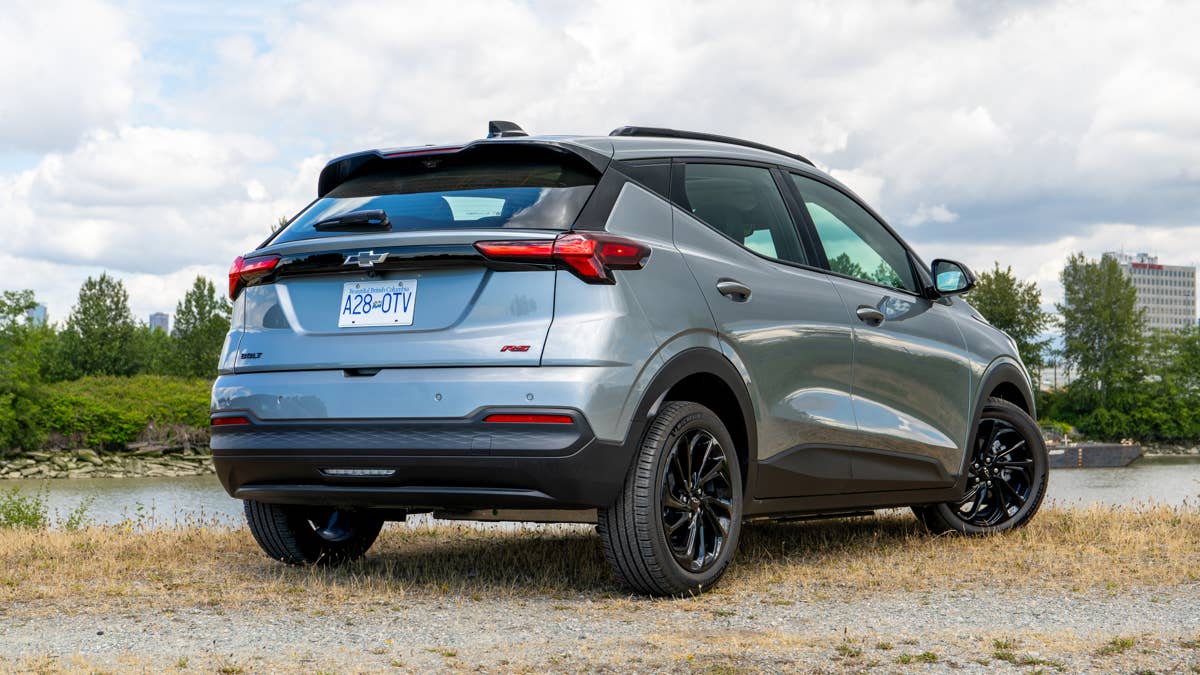
GM offers a single upgrade path for the Bolt. The RS trim costs $31,600. It keeps the identical powertrain and 262-mile range but adds heated and ventilated front seats, Evotex upholstery, an eight-way power driver seat, a heated steering wheel, and 17-inch gloss-black alloy wheels. At that price point, the Bolt RS undercuts the base Leaf by a narrow margin while offering premium cabin features the Nissan reserves for higher trims.
The sub-$30,000 EV segment remains thin. Kia just introduced the EV3, selling 514 units in the third quarter alone, according to Cox Automotive. The upcoming Slate Truck aims to undercut every existing electric passenger vehicle when production begins, though whether American buyers will trade enclosed hatchbacks and crossovers for a barebones electric pickup remains untested.
Current Bolt buyers face a compressed window to purchase one. GM plans a shorter-than-expected production run for this generation, limiting availability for younger and first-time EV buyers who rely on the lowest possible entry price.