AirAsia Seeks $1B Refinancing as Fuel Hedges Expire
Expiring fuel contracts and a 75% stock decline force Capital A Group to seek $1 billion in new financing.
AirAsia is pursuing a $1 billion debt refinancing plan as expiring fuel hedges threaten to push operating costs higher across the Asian aviation sector. The carrier’s parent company, Capital A Group, disclosed the financing effort as its shares have fallen nearly 75% this year.
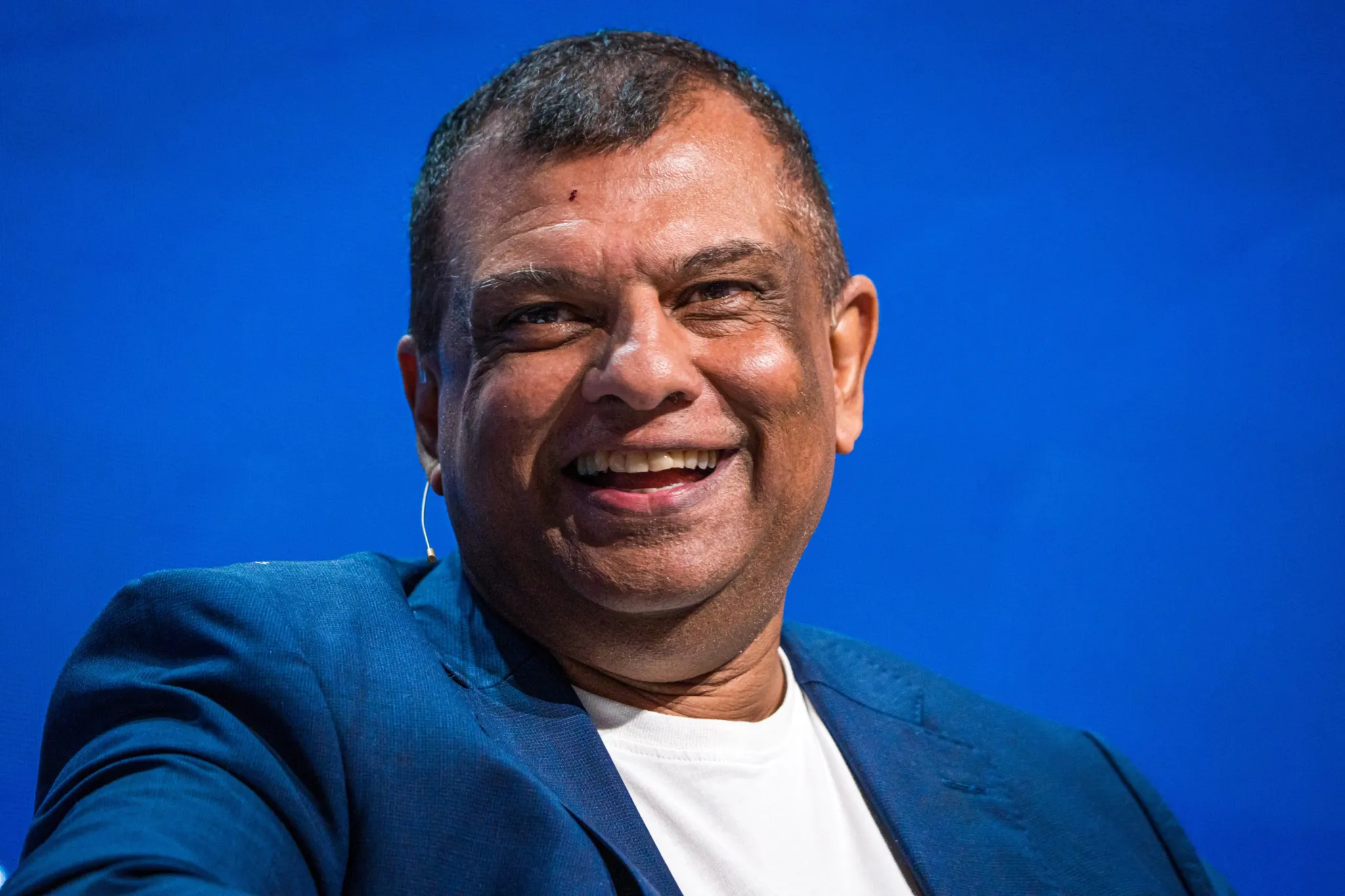
Chief Executive Tony Fernandes confirmed the refinancing target while speaking at the Global Tourism Economy Forum in Macau on Oct. 16. He warned that carriers relying on older fuel contracts face immediate margin pressure. “A lot of people’s hedges are coming off, and prices are going to go up dramatically,” Fernandes said during a panel moderated by Fortune’s Asia editorial director Lee Williamson.
Jet fuel prices in Asia are currently trading at roughly double last year’s average, according to calculations by the International Air Transport Association. The spike follows disruptions to oil supplies transiting the Strait of Hormuz linked to the U.S. war with Iran. Low-cost carriers absorb these increases more acutely than legacy airlines because their business models limit fare hikes. AirAsia has carried a heavy debt burden since the pandemic-era travel collapse, leaving less cash flow to cushion commodity shocks.

Fernandes recently met with Malaysian government officials to discuss potential funding support, Reuters reported last week citing unnamed sources. He denied requesting a bailout but acknowledged he would accept state assistance if offered.
The executive estimated the current market volatility will persist for about 12 months, though he called the timeline a guess. “When does this war end? We don’t really know,” he said. Unlike the pandemic, which ended with vaccine rollouts, geopolitical supply disruptions lack a predictable resolution date.
To offset thinning margins, AirAsia is restructuring its route network toward secondary cities where competition remains sparse. Fernandes pointed to Shantou, China, a city of five million people where the airline now operates three daily flights from Kuala Lumpur following a request from the provincial governor. Gross domestic product growth in these tertiary markets outpaces capital cities, generating new pools of disposable income that major carriers have largely ignored.
Executing that strategy requires aircraft capable of longer ranges without the capacity risk of widebody jets. The Airbus A320, which seats roughly 180 passengers, maxes out around four hours of flight time. Stepping up to an Airbus A330, configured for almost 400 seats, demands passenger volumes few emerging routes can guarantee.
AirAsia has deployed the A321LR on its Seoul route, tripling frequency. The carrier is also the launch customer for a planned 160-seat variant of the A220, which Airbus targets for certification in 2028. The newer A321XLR offers up to nine hours of range depending on configuration.
“We believe in small planes and lots of frequency,” Fernandes said. “160 seats opens you up to a huge market.”