Baidu and Lyft Begin London Robotaxi Testing in Expanding European Autonomous Push
Dozens of Apollo Go RT6 vehicles hit Brent borough streets ahead of planned 2027 commercial passenger service.
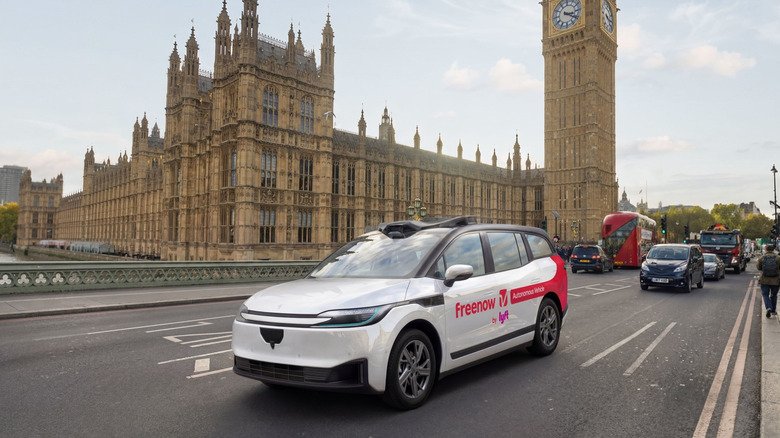
Baidu and ride-hailing provider Lyft have commenced autonomous vehicle testing in London, bringing Chinese self-driving technology to UK public roads as global tech firms vie for dominance in European urban mobility.
The trials feature dozens of Baidu’s Apollo Go RT6 vehicles deployed across the London borough of Brent. Operating initially with human safety drivers behind the wheel, the project relies on integration with Freenow, the European taxi and ride-hailing service acquired by Lyft last year to establish an operational footprint across Britain and Germany.
Passenger booking tests are slated to begin next year, with full commercial service targeted for 2027 under the consumer brand Freenow by Lyft. The ultimate goal of the alliance is to scale the network to thousands of autonomous vehicles across European metropolitan areas.
Deploying self-driving fleets in London presents technical and regulatory challenges distinct from North American grid cities. London’s narrow streets, high density of pedestrians, and complex junctions offer a demanding operational environment. To manage safety and operational standards, the companies are coordinating with Transport for London and aligning with guidelines established under the UK government’s Automated Vehicles Act, which sets clear legal liability frameworks and safety benchmarks for driverless transport.
The entrance of Baidu and Lyft intensifies competition in the capital’s emerging commercial robotaxi sector. Alphabet’s Waymo has already begun mapping and testing Jaguar I-Pace electric vehicles with safety drivers, while Uber and British autonomous driving startup Wayve are conducting preliminary trials and collecting passenger interest for upcoming pilot rides.