FCC Restricts Foreign Humanoid Robots and Smart Power Inverters in Major Supply Chain Crackdown
Federal regulators expand supply chain restrictions to embodied AI and power grid hardware, citing security threats.
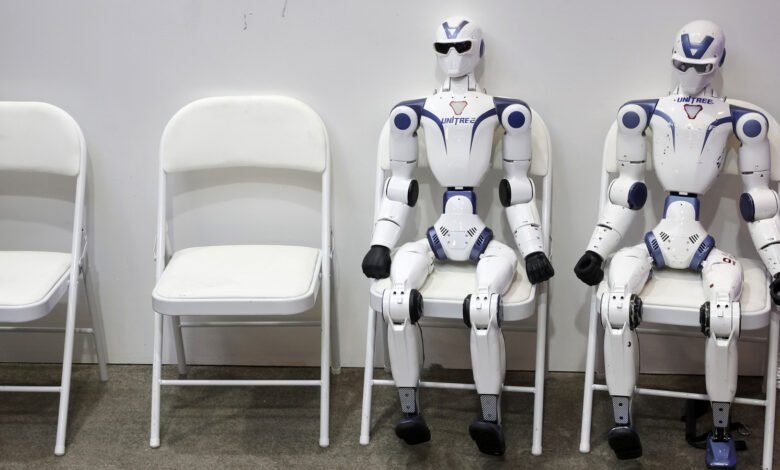
The United States has moved to block foreign-manufactured humanoid robots, quadrupedal machines, and connected power inverters from entering the domestic market, citing risks to national security and critical infrastructure. The decision, handed down by the Federal Communications Commission, signals a major expansion of federal efforts to purge foreign-sourced technology from sensitive American supply chains.According to regulatory determinations sourced from national security agencies, advanced robotics devices pose distinct cybersecurity and physical threats. Officials warned that these networked platforms could expose critical infrastructure to remote data manipulation or operational sabotage. Because modern humanoid robots rely heavily on continuous wireless communication, cloud connectivity, and real-time data processing, foreign control over these software and hardware stacks presents vectors for disruption.The restrictions do not enforce a total blanket ban across every sector. Under the regulatory framework, equipment destined for the Department of War and the Department of Homeland Security will receive official exemptions. Furthermore, unlike stricter measures previously imposed on foreign-made network routers, the new rules governing advanced robotics and power inverters adhere to standard Buy American statutory guidelines. This framework allows domestic manufacturers to incorporate a limited proportion of foreign components provided the final product meets established domestic content thresholds.The mandate also targets power inverters equipped with Wi-Fi, cellular, or Bluetooth capabilities. These devices, which convert direct current into alternating current for integration into homes, businesses, and the electrical grid, are increasingly standard in solar installations and commercial energy storage systems. Federal authorities warned that compromised inverters could allow adversaries to manipulate power distribution, potentially crippling portions of the electrical grid.Transitioning away from foreign-made grid hardware poses immediate logistical hurdles. A Department of Energy assessment highlighted that key components inside power inverters are produced almost exclusively outside the United States. Without shifting primary component manufacturing onto domestic soil, mitigating systemic security risks within the energy sector will remain difficult.The broad definitions outlined in the regulation could also affect consumer-grade hardware. Devices such as portable backup battery stations featuring integrated AC outlets and companion mobile applications fall under the technical criteria of connected power conversion hardware, though specific exemptions for consumer products remain unconfirmed.This regulatory push aligns directly with the White House’s 2025 national security strategy, which emphasizes re-shoring industrial capabilities across critical and emerging technology sectors. To soften the immediate impact on commercial operations, the regulatory framework permits affected companies to apply for conditional approval to continue selling specific devices within the United States.