Meta Unveils Free Identity Badge to Combat AI Bots on Facebook
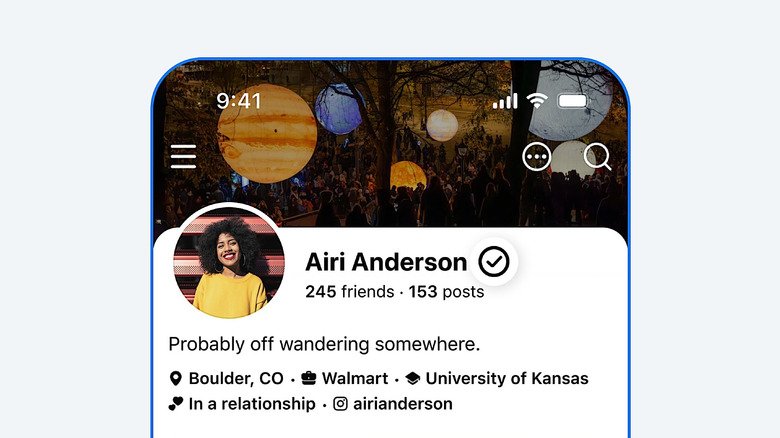
Meta is rolling out a free identity verification system for Facebook designed to confirm human account ownership, using facial recognition scanning to combat a surge in AI-generated fake profiles and automated fraud.
The mechanism requires users to submit a short video selfie, which Meta’s automated systems match against existing profile photos in a process expected to take several minutes. Once verified, an authenticity badge will display across high-interaction areas of the platform, including Facebook Marketplace and Facebook Dating. Meta emphasized that the check only confirms human identity and does not function as an endorsement or guarantee of trustworthiness.
To participate, individuals must be at least 18 years old and maintain account standing aligned with Facebook’s community standards. The service is free, distinguishing it from the paid subscription service Meta Verified, which offers enhanced support and reach. The feature will not be offered to business Pages or accounts operating in ProMode. A phased rollout begins Monday in select international markets before expanding globally.
The move comes as social networks contend with sophisticated generative AI tools capable of synthesizing realistic profile photos, biographical details, and automated message sequences at scale. By offering free identity confirmation, social media networks aim to restore trust in direct user interactions without imposing mandatory monthly fees.
Using biometric scanning represents a calculated pivot for the company. Meta previously dismantled its automatic facial identification framework in 2021 after facing intense regulatory scrutiny and paying a landmark $650 million settlement under the Illinois Biometric Information Privacy Act. More recently, the company faced fresh privacy debates regarding computer vision technology integrated into smart glasses hardware.
Alongside the verification system, Meta is testing a redesigned mobile interface that opens directly into a full-screen immersive video feed. The experimental format represents Meta’s latest effort to rival short-form video platforms like TikTok.
Addressing potential friction over drastic layout changes, Meta confirmed that users enrolled in the test group can opt out and return to the standard feed-first interface.