U.S. Biotech Sector Navigates Approaching Patent Cliff and Foreign Licensing Restrictions Amid Breakthrough Cancer Therapies
A political and regulatory battle over foreign licensing in Washington is threatening to reshape the U.S. pharmaceutical landscape, even as breakthrough clinical treatments showcase the power of global medical research.
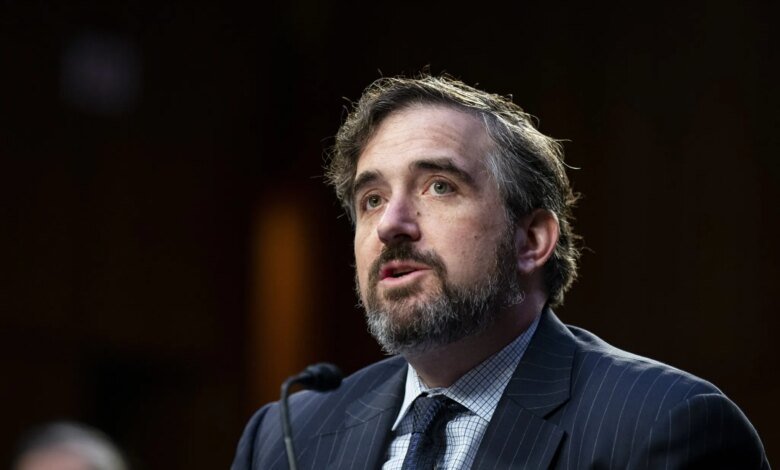
At the center of this tension is the experimental drug daraxonrasib, developed by California-based Revolution Medicines. In recent clinical trials, the therapy nearly doubled survival times for patients suffering from advanced pancreatic cancer who had exhausted all standard treatment options. Among those receiving the drug is former U.S. Senator Ben Sasse, who was given a month to live a year ago but has since recovered sufficiently to embark on nationwide media appearances.
Pancreatic cancer has historically ranked among the most lethal human malignancies, with five-year survival rates lingering around 13 percent due to late diagnoses and a dearth of effective targeted therapies. The development of daraxonrasib relied on decades of foundational biology research funded by the National Institutes of Health, illustrating how public investment precedes private commercialization. The drug’s advancement was spearheaded by Iranian immigrant’s son Kevan Shokat and British scientist Stephen Kelsey working within the U.S. corporate ecosystem.
However, broader access to international innovation may soon face severe legislative hurdles. House lawmakers recently introduced the Biotech Investment National Security Act, which would mandate national-security reviews for licensing deals involving Chinese biotech firms. While supporters frame the bill as a routine screening mechanism, industry analysts warn that added delays and administrative uncertainty will effectively shut down cross-border licensing agreements.
The proposed measure joins a growing suite of protectionist policy efforts, including the BIOSECURE Act, legislative pushes to prevent the U.S. Food and Drug Administration from accepting clinical trial data generated in China, and a 100% tariff on imported medicines and their ingredients scheduled to take effect July 31.
These restrictions arrive as American drugmakers prepare for an unprecedented commercial transition. By 2030, medicines generating an estimated $350 billion in annual sales—representing approximately one-fifth of projected global prescription drug revenues—are set to hit a massive patent cliff. As patent protections expire, low-cost generic and biosimilar alternatives will flood the market, stripping top-line revenue from major pharmaceutical corporations and compelling them to replenish their drug pipelines.
To address these impending shortfalls, Western pharmaceutical companies have increasingly relied on Chinese drug candidates. Chinese firms currently supply nearly one-third of the innovative drug candidates licensed by global drugmakers. In the first half of 2025 alone, American companies executed 37 licensing partnerships to secure foreign assets. Industry giants including Pfizer, Bristol Myers Squibb, Takeda, AstraZeneca, and GlaxoSmithKline have aggressively leveraged China’s lower-cost chemistry facilities and rapid clinical trial networks to maximize capital efficiency.
Critics of sweeping trade barriers argue that restricting U.S. firms from accessing international innovation will disproportionately harm domestic companies while leaving foreign rivals like Swiss giant Novartis free to license Chinese assets. Furthermore, domestic R&D faces internal headwinds following 2025 NIH funding cuts, which sparked widespread concern after surveys revealed a decline in early-career biomedical researchers planning to remain in the United States.
National security proponents emphasize that oversight remains essential, particularly regarding clinical trials conducted at People’s Liberation Army hospitals or studies raising ethical questions over informed consent and data integrity. Experts note that enforcing existing compliance frameworks—similar to cross-border anti-bribery and supply chain labor mandates—could address ethical concerns without cutting off access to lifesaving pipeline candidates.
As healthcare economist Craig Garthwaite noted in a recent commentary, patients battling terminal illnesses care fundamentally about whether treatments reach them in time, regardless of where the underlying science originated.