Apple Legal Offensive Clouds OpenAI’s Hardware Ambitions Under Jony Ive
The legal battle targets OpenAI's hardware division and the recruitment of hundreds of former Apple employees.
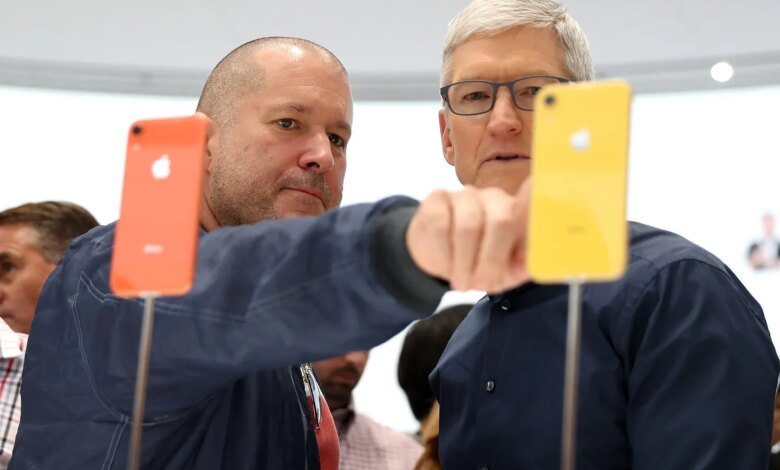
A high-stakes legal battle has erupted between the world’s most valuable tech company and the leader of the generative AI boom, threatening to derail a multi-billion dollar effort to reinvent consumer electronics. Apple has filed a comprehensive lawsuit against OpenAI, alleging the systematic theft of trade secrets and the unlawful poaching of hundreds of employees to fuel the startup’s secretive hardware division.
The litigation centers on OpenAI’s hardware group, which was significantly expanded following the $6.5 billion acquisition of io Products in May 2025. That startup was founded by Jony Ive, the former Apple design chief responsible for the aesthetic of the iPhone, iMac, and Apple Watch. While Ive himself is not named as a defendant, the lawsuit specifically targets Tang Tan, OpenAI’s chief hardware officer and a former Apple vice president, alongside former Apple employee Chang Liu.
Apple’s complaint alleges that OpenAI has recruited more than 400 of its former staff members. The tech giant claims these individuals took sensitive data regarding supply chain vendors, technical specifications for unreleased products, and proprietary manufacturing processes. This legal maneuver mirrors Apple’s historically protective stance toward its intellectual property and corporate culture, where departures to direct competitors have often been viewed with extreme scrutiny.
The friction comes as OpenAI attempts to pivot from a software-centric model to a vertically integrated hardware provider. By developing its own physical devices, OpenAI aims to bypass the limitations of existing mobile operating systems like iOS and Android. This strategic shift would allow the company to embed its large language models directly into the user experience, ensuring that competitors cannot restrict access to its AI services.
OpenAI’s hardware team currently operates out of a dedicated facility in San Francisco’s Jackson Square, physically separated from the company’s Mission Bay headquarters. This group is reportedly working on a suite of devices, including a home-based AI companion featuring mechanical parts designed to mimic human interaction. Other rumored projects include AI-integrated eyewear and wearable pins, as the company seeks to define the post-smartphone era.
However, the path to hardware success is notoriously difficult for software-first companies. Recent attempts by other startups to launch AI-centric gadgets, such as the Humane AI Pin and the Rabbit r1, were met with critical failure and poor consumer adoption. These devices struggled with battery life, connectivity issues, and the fundamental challenge of proving why they were more useful than a standard smartphone.

Intellectual property experts suggest that while the lawsuit may not entirely halt OpenAI’s progress, it could force significant operational changes. Saurabh Vishnubhakat, a professor at the Cardozo School of Law, noted that the litigation might necessitate the “quarantining” of specific employees or the redesign of manufacturing processes to avoid infringing on Apple’s claimed secrets. Such delays are particularly sensitive as OpenAI reportedly prepares for an initial public offering.
The collaboration between Sam Altman and Jony Ive represents a fusion of Silicon Valley’s current AI momentum and its traditional design excellence. Ive’s independent firm, LoveFrom, is providing the aesthetic direction for the project. LoveFrom has previously taken on diverse projects, including the design of Ferrari’s first electric vehicle, the Luce. Ive has expressed a desire to address the societal issues caused by the smartphone era, such as digital addiction, by creating more “contextual” and less intrusive technology.
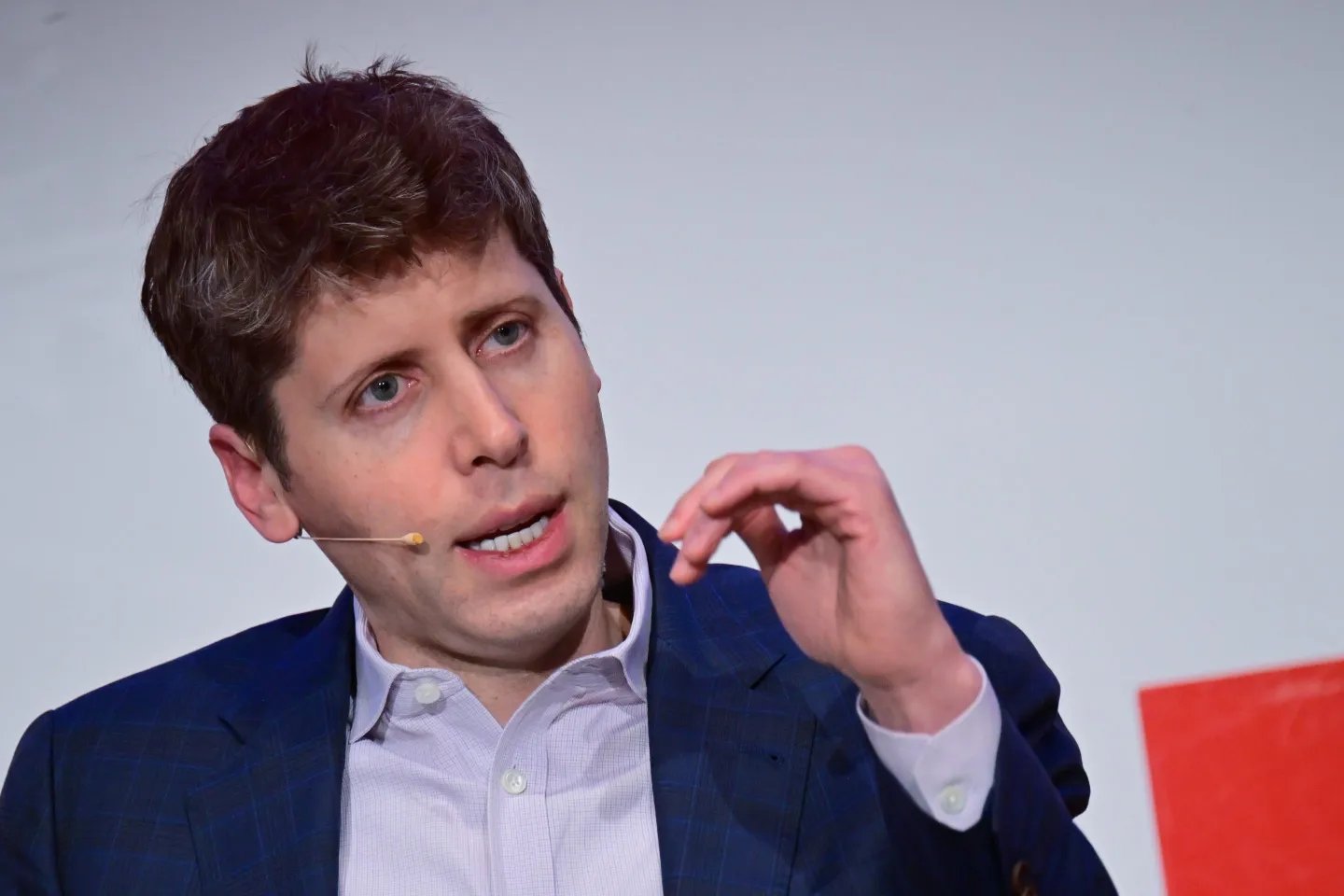
OpenAI has denied the allegations, stating it respects fair competition and the rights of employees to choose their workplace. The company maintains it has no interest in the trade secrets of other firms. Despite the legal pressure, the hardware group continues its work, with the first device expected to ship as early as next year.

The outcome of this case could set a significant precedent for the AI industry, particularly regarding how startups recruit talent from established tech giants. As OpenAI attempts to build a manufacturing ecosystem from the ground up, the shadow of Apple’s legal department remains a formidable obstacle.