2026 World Cup: Messi Solidifies Legacy as European Stars Falter in North America
Messi breaks records as Ronaldo and Germany face early exits in North America.

The 2026 World Cup concluded with a definitive shift in the global football hierarchy, as veteran icons and emerging talents redefined their legacies across North American stadiums. While Spain secured the trophy, the tournament was defined by individual narratives of redemption, record-breaking longevity, and the final fading of a golden generation.
Lionel Messi, at 39, delivered a performance that defied biological expectations. In what is widely considered his final international tournament, the Argentine captain recorded eight goals and four assists. His 12 direct goal contributions surpassed all other competitors, fueled by a historic hat-trick that saw him overtake Miroslav Klose as the all-time leading scorer in World Cup history. Messi’s influence was most palpable during the semi-final against England, where he orchestrated two goals in the final ten minutes of stoppage time to secure Argentina’s progression.
While Messi flourished, England’s Jude Bellingham emerged as the tournament’s most prolific midfielder. Despite a turbulent domestic season at Real Madrid, Bellingham netted seven goals throughout the competition, including a strike in the third-place play-off against France. His four Man of the Match awards set a new benchmark for English midfielders on the world stage, surpassing historical figures like Sir Bobby Charlton in tournament scoring impact.
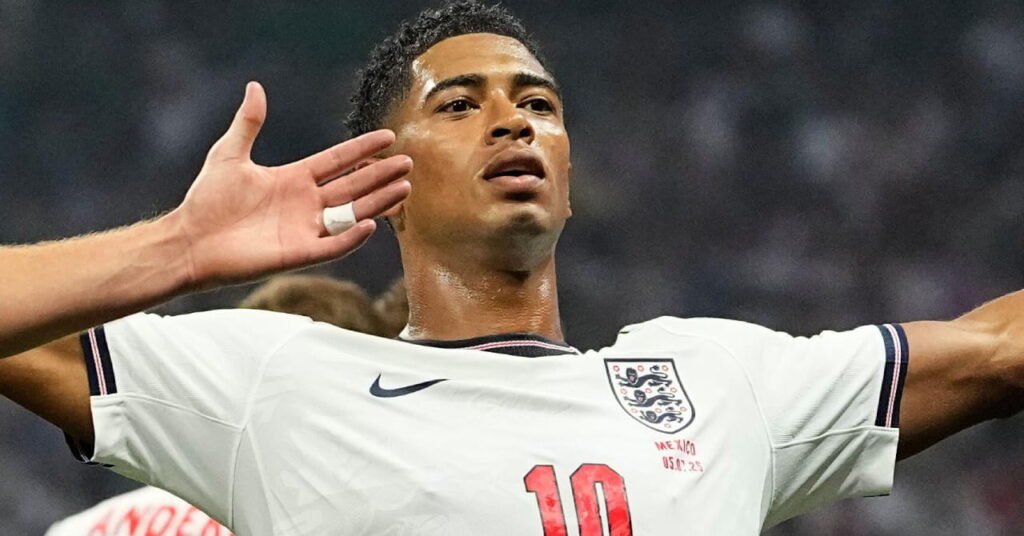
Norway’s Erling Haaland also made a significant impact in his World Cup debut. Averaging a goal every 51 minutes, Haaland’s seven-goal haul included a late brace that eliminated five-time champions Brazil in the Round of 16. His 39% conversion rate was the highest recorded at a World Cup since 1986, signaling a new era of clinical finishing despite Norway’s quarter-final exit at the hands of England.
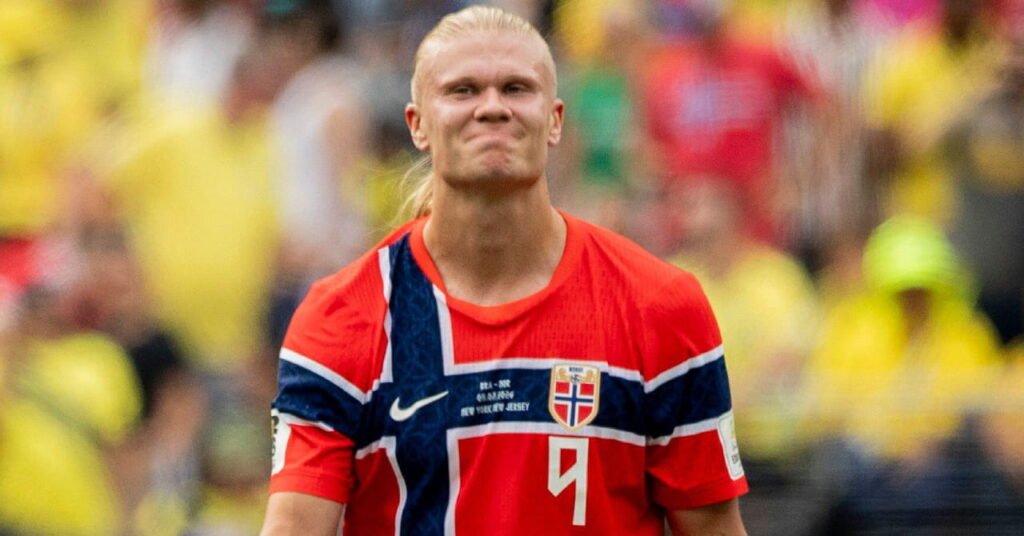
The tournament also highlighted the resilience of Rodri, who anchored Spain’s midfield just 18 months after undergoing ACL surgery. The Manchester City midfielder maintained a passing accuracy of 93% across seven matches, neutralizing Argentina’s tactical rhythm in the final. His return to peak form mirrors the recovery timelines of elite athletes who utilize advanced sports science to overcome ligament injuries that previously ended careers.

In contrast to these successes, several established stars struggled to adapt. Cristiano Ronaldo, despite becoming the first player to score in six different World Cups, faced criticism for a lack of mobility. Data revealed that Ronaldo failed to complete a single successful dribble in over 500 minutes of play across the last two tournaments. Portugal’s exit in the Round of 16 against Spain, where Ronaldo remained peripheral, underscored the challenges of maintaining elite performance at 41.

Portugal’s creative engine also stalled as Bruno Fernandes failed to replicate his record-breaking Premier League assist form. Similarly, Belgium’s Kevin De Bruyne saw his final World Cup opportunity end in disappointment. The 35-year-old was dropped from the starting lineup during the Round of 16 victory over the United States, and although he returned for the quarter-final, Belgium fell 2-1 to Spain, marking the likely end of the nation’s “Golden Generation.”

The tournament was also a sobering experience for Ivory Coast’s Yan Diomande. After a breakout season at RB Leipzig, the 19-year-old managed only one assist in four matches, struggling with the physical intensity of senior international competition. Ivory Coast was eventually eliminated by Norway in the Round of 32.
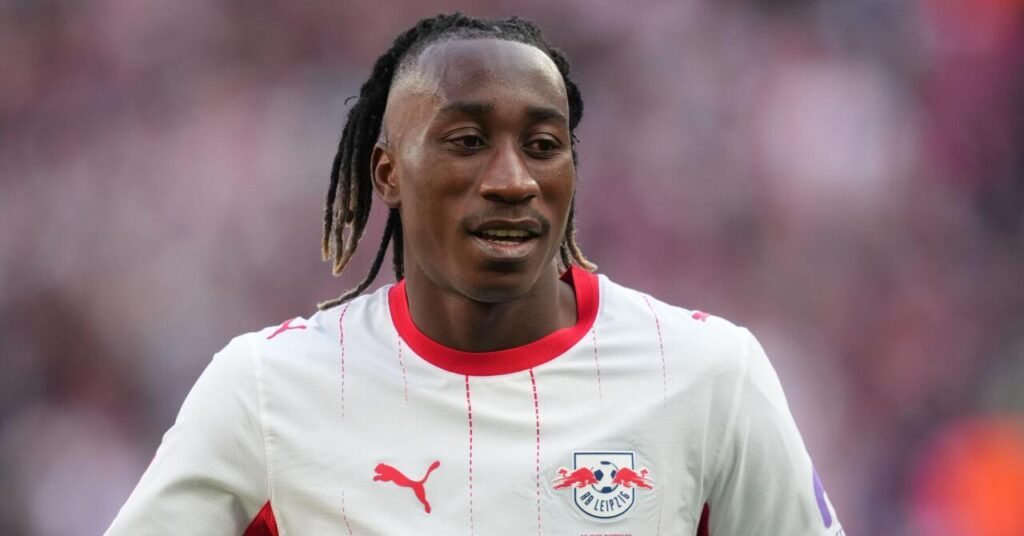
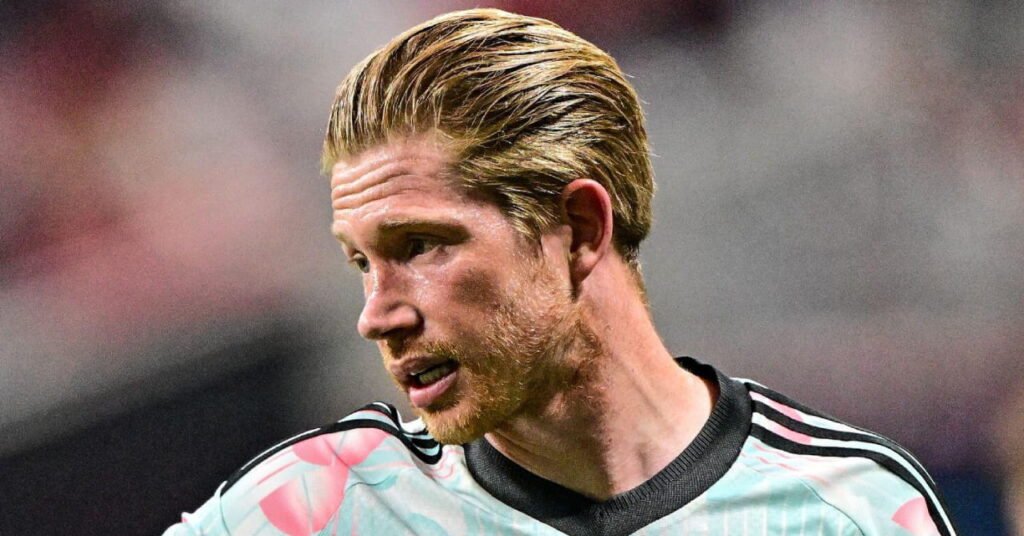
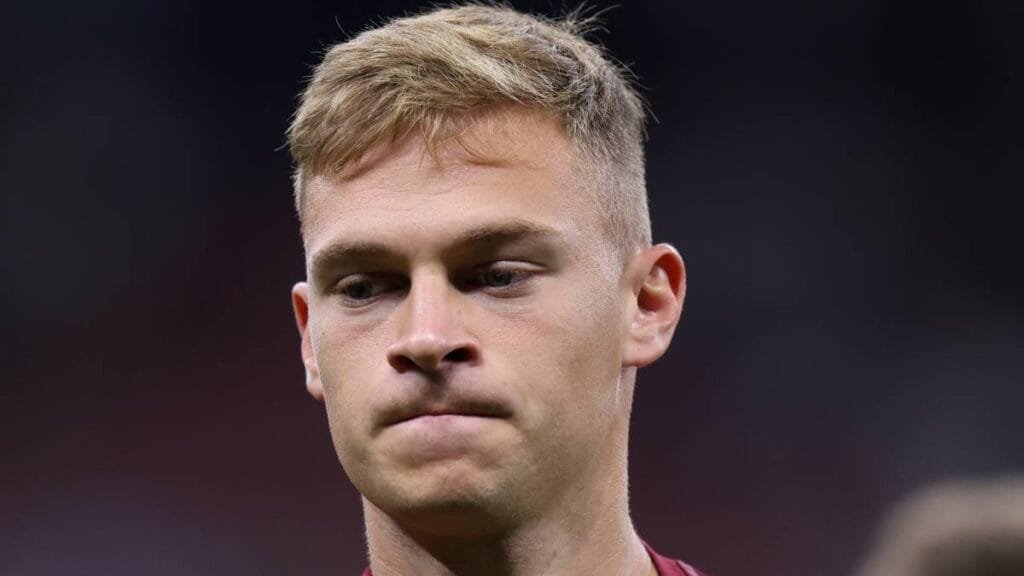
Germany’s Joshua Kimmich offered the most candid reflection on his team’s performance following a penalty shootout loss to Paraguay. The defeat marked Germany’s third consecutive World Cup exit before the quarter-finals, a stark decline for a nation that won the title in 2014. Kimmich admitted the squad failed to perform against non-elite opponents, signaling a period of deep introspection for German football as they look toward the 2030 cycle.
Among the unexpected highlights was the performance of Cape Verde’s 40-year-old goalkeeper, Vozinha. Making 18 saves throughout the tournament, including a clean sheet against Spain, Vozinha became a symbol of the expanded format’s ability to showcase talent from smaller nations. His eight saves against Argentina in the Round of 32 cemented his status as one of the most effective veteran goalkeepers in the history of the competition.