Ukraine’s Refinery Strikes Bring Soviet-Era Lines to the Russian Heartland
Drone strikes on oil infrastructure force 25% of refining capacity offline.
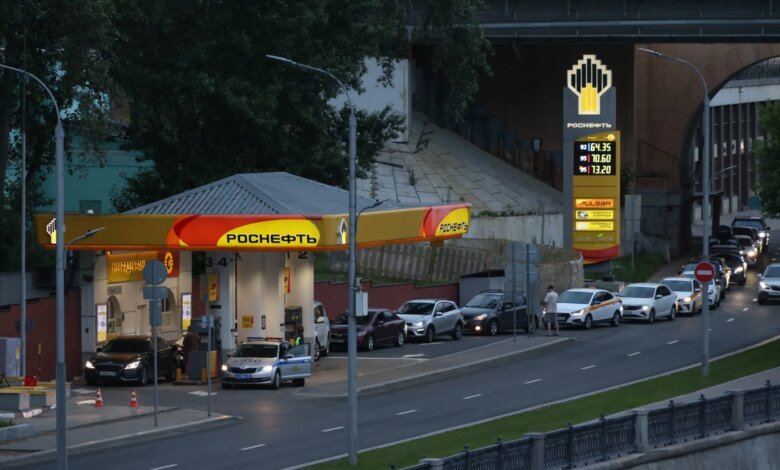
Russia, a global energy titan, is facing a domestic fuel crisis that has resurrected the specter of Soviet-era rationing. Months of targeted Ukrainian drone strikes on oil infrastructure have paralyzed roughly 25% of the nation’s refining capacity, according to energy analysts, forcing the Kremlin into the humiliating position of importing gasoline from India.
The disruption has reached far beyond the border regions. In the Siberian city of Irkutsk, located some 3,000 miles from the frontlines, gas station lines have become so protracted that local officials have promised to install portable toilets for waiting motorists. One resident, Alyona Sadovnikova, told the New York Times she endured an 18-hour ordeal with her infant child to secure fuel, a situation she likened to the privation of the Soviet Union when citizens relied on ration coupons for basic goods.
The scale of the internal damage was described as “unprecedented” by the head of Russia’s largest oil firm in a letter to President Vladimir Putin, which was subsequently reported by the newspaper Kommersant. This infrastructure degradation coincides with broader economic instability; the Central Bank of the Russian Federation has maintained high interest rates to combat stubborn inflation, further squeezing a population already dealing with weakening consumer demand and rising defaults.
While Putin has publicly dismissed the drone strikes as “not critical,” the government’s policy shifts suggest a more urgent reality. Moscow has implemented export bans on gasoline and jet fuel to prioritize domestic supply. Deputy Prime Minister Alexander Novak described the current market as “not easy,” while in Krasnodar, regional officials report that one-third of all gas stations have been forced to close entirely.
The situation is most acute in occupied Crimea. The fuel shortage has reached a tipping point where authorities have restricted sales almost exclusively to emergency services. This scarcity, paired with ongoing power outages, has triggered an exodus of Russian civilians from the peninsula, which was historically marketed as a secure summer destination. The Russian-backed leadership in the region recently warned on social media that large volumes of fuel would remain unavailable for the immediate future.