Ed Miliband’s Appointment as Foreign Secretary Sparks Diplomatic Friction with Trump Administration
Trump allies warn of strain on the US-UK special relationship over past personal attacks and net-zero climate policies.

The appointment of Ed Miliband as the United Kingdom’s Foreign Secretary has triggered immediate diplomatic friction, with allies of U.S. President Donald Trump warning that the move could severely test the “special relationship” between London and Washington.
Miliband, a veteran Labour politician who led the party from 2010 to 2015, was named to the post by newly appointed Prime Minister Andy Burnham. Burnham took office on July 20, 2026, succeeding Keir Starmer, who resigned in June. The cabinet reshuffle positions Miliband as Britain’s top diplomat, making him the direct counterpart to U.S. Secretary of State Marco Rubio at a critical juncture for transatlantic diplomacy.
However, Miliband’s history of sharp personal criticism against Trump has raised concerns in Washington. During Trump’s first presidential campaign, Miliband publicly described him as a “racist, misogynistic, self-confessed groper.” Although Miliband recently sought to downplay those comments, stating in a November 2024 interview that his priority is now to “work with people,” the rhetoric remains a point of contention.
According to reports in British media, including The Daily Telegraph and The London Times, figures close to the Trump administration had signaled strong opposition to Miliband receiving a senior cabinet role. Steve Bannon, a prominent political ally of the U.S. president and former White House chief strategist, characterized the appointment as “very injurious” to bilateral relations.
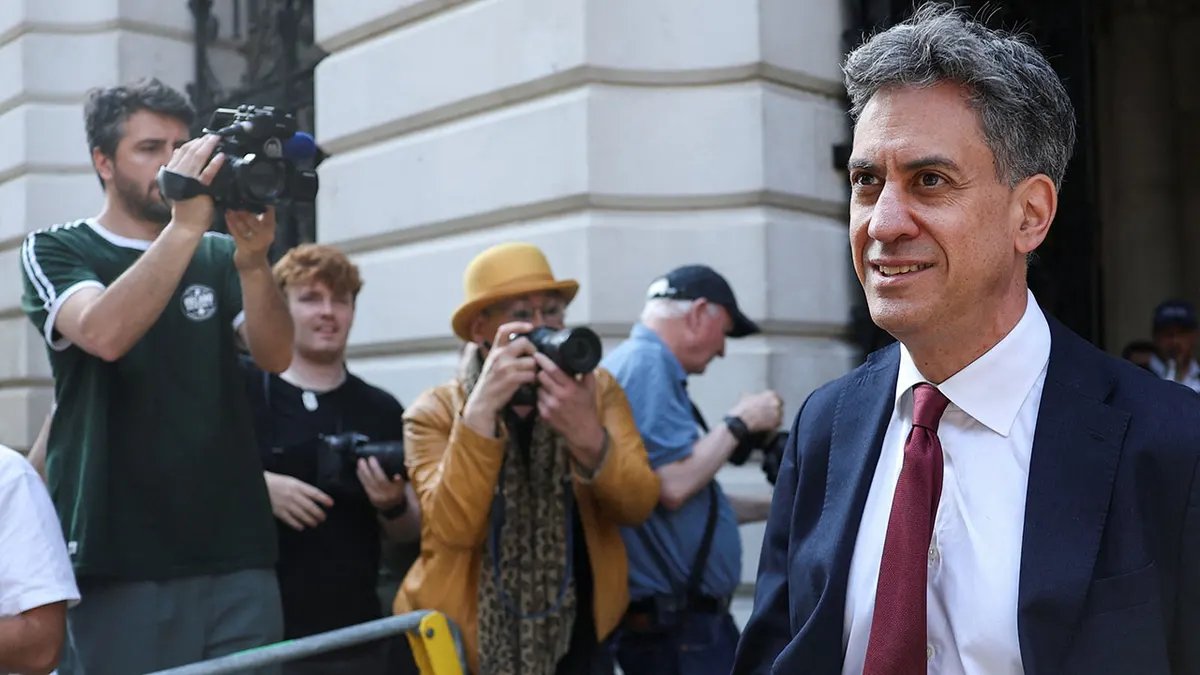
Beyond personal grievances, a fundamental policy divide exists on energy and climate. As the former Energy Security and Net Zero Secretary, Miliband has been the chief architect of Britain’s aggressive decarbonization strategy, which includes halting new licenses for oil and gas exploration in the North Sea. This stance directly clashes with the Trump administration’s focus on maximizing domestic fossil fuel production and encouraging international partners to do the same.
Nile Gardiner, director of the Margaret Thatcher Center for Freedom at the Heritage Foundation, described the appointment as a strategic misstep by Burnham. Gardiner warned that Miliband’s climate policies are viewed as highly detrimental by U.S. conservatives, predicting significant policy-driven tensions between the two administrations.
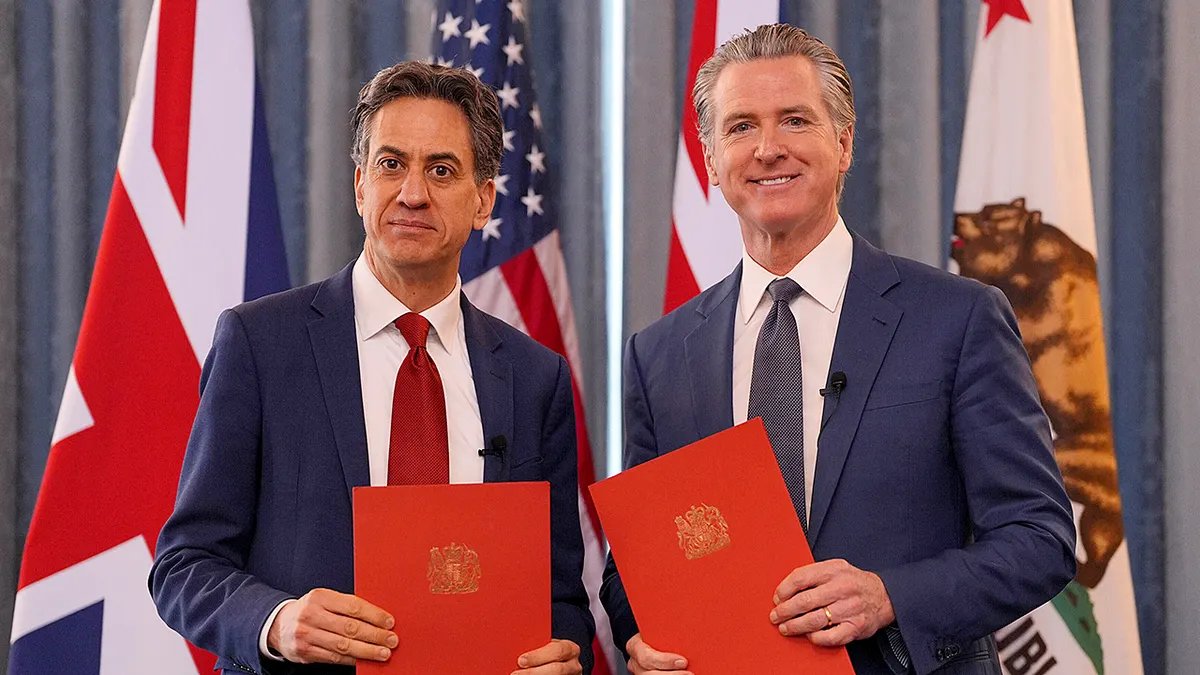
Miliband has defended his appointment by emphasizing his personal connection to democratic values. In his first public remarks as Foreign Secretary, he referenced his family’s history as Jewish refugees who fled Nazi Germany, stating that Britain served as a sanctuary and a “beacon of hope” against fascism. He pledged to maintain a robust alliance with the United States while simultaneously strengthening Britain’s strategic ties with the European Union, as reported by the Financial Times.
Despite the diplomatic concerns, Prime Minister Burnham has sought to establish early rapport with Washington. Following his assumption of office, Burnham spoke with President Trump in a call that Trump later described as “very good.” The two leaders reportedly plan to meet in the near future to discuss mutual interests.

Domestically, Miliband’s appointment has drawn criticism from other quarters. Conservative Member of Parliament Priti Patel criticized the new administration’s foreign policy direction, specifically targeting plans to proceed with the Chagos Islands sovereignty agreement. Patel argued that the deal, which she termed a “surrender,” undermines British national security and carries an estimated taxpayer cost of £35 billion ($47 billion).
Additionally, some pro-Israel commentators in the UK have expressed skepticism. Stephen Pollard, writing for The Jewish Chronicle, suggested that Miliband’s past leadership decisions and the broader ideological leanings of the Burnham government could signal a shift toward more restrictive policies regarding Israel, including potential sanctions.
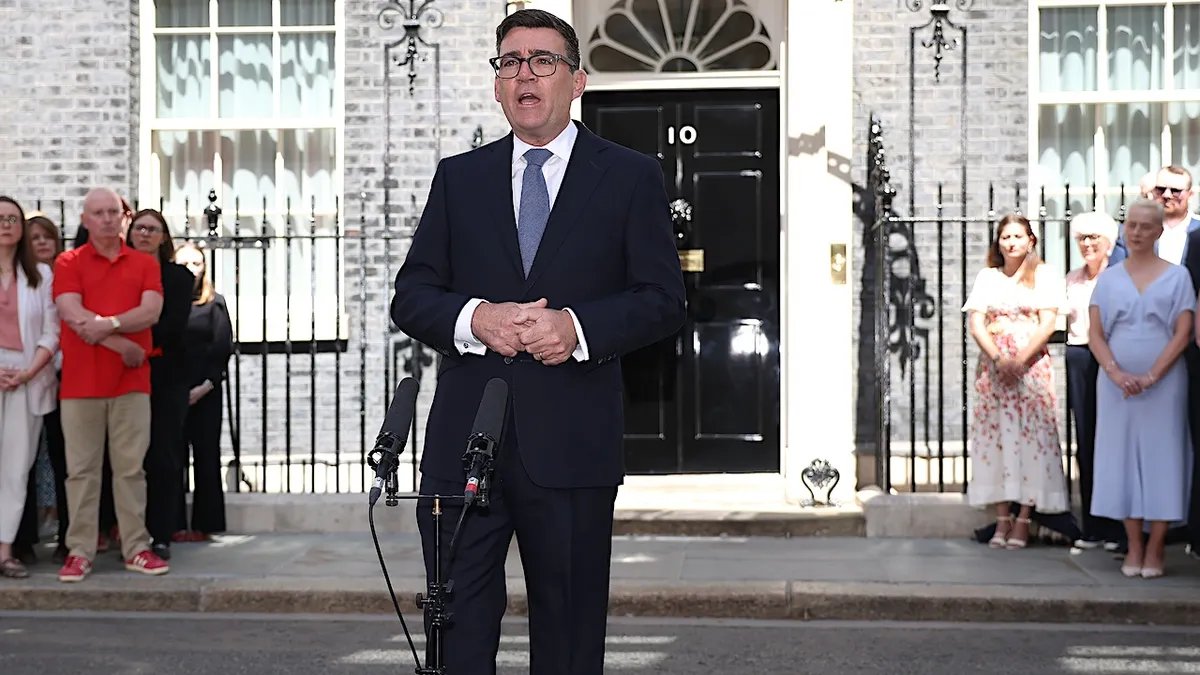
The incoming British administration faces the complex task of balancing its progressive domestic agenda with the geopolitical necessity of maintaining its most critical security alliance. How Miliband navigates his relationship with U.S. counterparts like Rubio will likely define the early trajectory of Burnham’s foreign policy.