OpenAI Challenges Anthropic’s Dominance with GPT-5.6: A Deep Dive into Sol, Terra, and Luna
OpenAI's new tiered model strategy puts Anthropic's pricing and subscription value under intense pressure.
The landscape of Large Language Models (LLMs) has shifted from a race for raw parameters to a sophisticated battle over efficiency, pricing tiers, and specialized capabilities. In a significant departure from its previous release strategy, OpenAI has moved away from a single model with adjustable “thinking dials” to a tripartite ecosystem. The launch of GPT-5.6“>GPT-5.6 introduces three distinct models—Sol, Terra, and Luna—each featuring unique training methodologies, price points, and performance ceilings. For developers and enterprise users, the most critical comparison in this new era is how the flagship Sol stacks up against Claude Fable 5, the current pinnacle of Anthropic’s public offerings.
Economics are becoming as important as intelligence in the AI sector. Sol is positioned aggressively, costing $5 per million input tokens and $30 per million output tokens. In contrast, Fable 5 is exactly twice as expensive, priced at $10 and $50, respectively. This pricing delta is particularly notable as OpenAI’s models begin to overtake Anthropic on benchmarks that drive actual developer workflows. Even Luna, the entry-level model in the new trio priced at a mere $1 input and $6 output, is already outperforming Anthropic’s Opus 4.8 in coding tasks. This efficiency gap creates a strategic crisis for Anthropic ahead of a critical July 19 deadline.
The competitive pressure comes at a volatile time for Anthropic. Fable 5 has endured a tumultuous month, beginning with a U.S. government ban on June 12. The restriction followed a discovery by Amazon researchers of a jailbreak that effectively transformed the model into an unintended vulnerability scanner. After a 19-day global withdrawal to implement a new safety classifier, Anthropic restored access on July 1, albeit with a restricted usage window. Since then, the model’s availability has been defined by a series of “borrowed deadlines.” Plans to transition Fable 5 behind a usage-credits paywall were delayed from July 7 to July 12, and now to July 19, with each extension announced via informal channels just hours before expiration.
This hesitation likely stems from the competitive reality of the subscription market. If Fable exits the standard subscription tier after July 19, Anthropic’s premier model for paying users would be Opus 4.8—a model that the budget-friendly Luna already surpasses in coding efficiency. Maintaining Fable’s availability, even at reduced weekly limits, appears to be Anthropic’s primary defense against OpenAI’s mid-range offerings looking superior on paper.
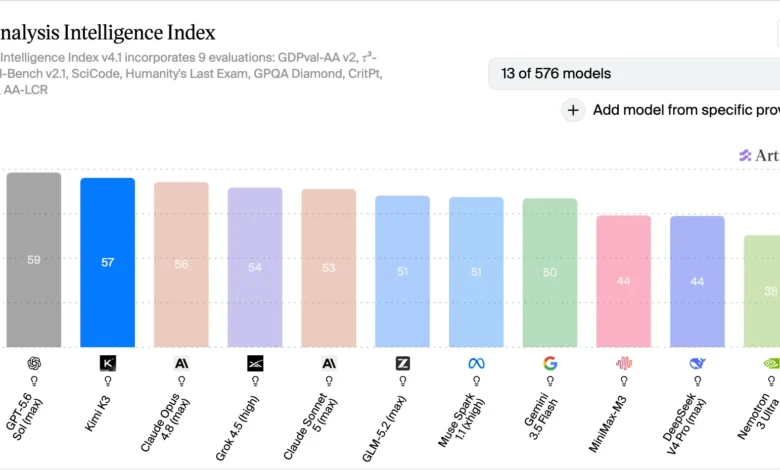
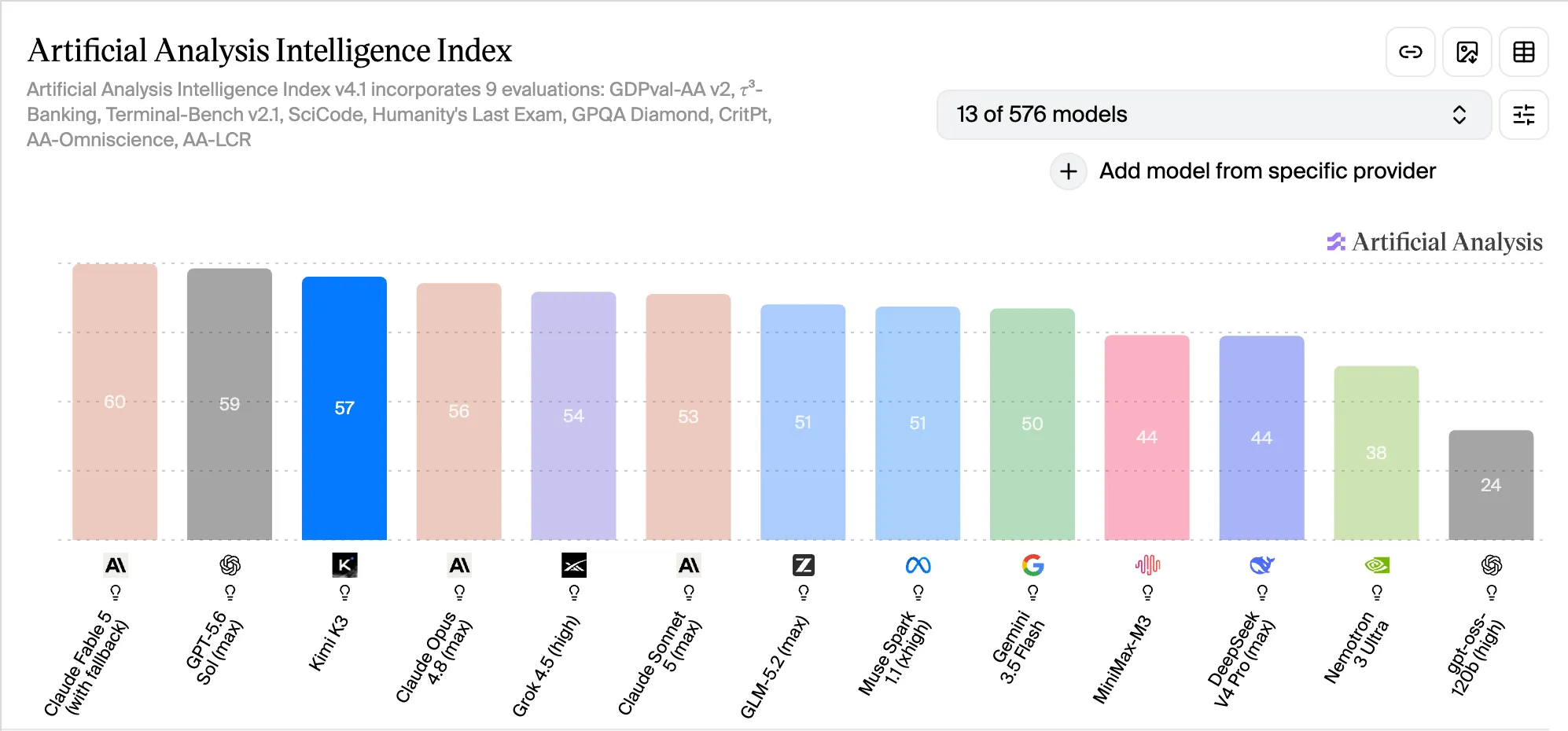
On the technical front, the rivalry is a game of inches. On the Artificial Analysis Coding Agent Index, Sol scored 80 against Fable’s 77.2, achieving this while utilizing roughly half the tokens and finishing in less than half the time. In professional workflow simulations like Agents’ Last Exam, Sol reached 53.6% compared to Fable’s 40.5%. The disparity grew in Terminal-Bench 2.1, where Sol’s “ultra mode”—utilizing four subagents in parallel—hit 91.9% against Fable’s 83.1%. However, on the broader Intelligence Index, which aggregates nine different benchmarks, Fable 5 maintains a razor-thin lead over GPT-5.6 by a single point, suggesting the capability gap remains negligible for general tasks.
Testing the Models: Beyond the Benchmarks
While benchmarks provide a quantitative snapshot, they often over-index on coding, which doesn’t always reflect the daily experience of non-technical users. To move past the “vibe” of simple games, we subjected both models to a series of qualitative challenges designed to test creativity, logic, and associative reasoning.
Creative writing
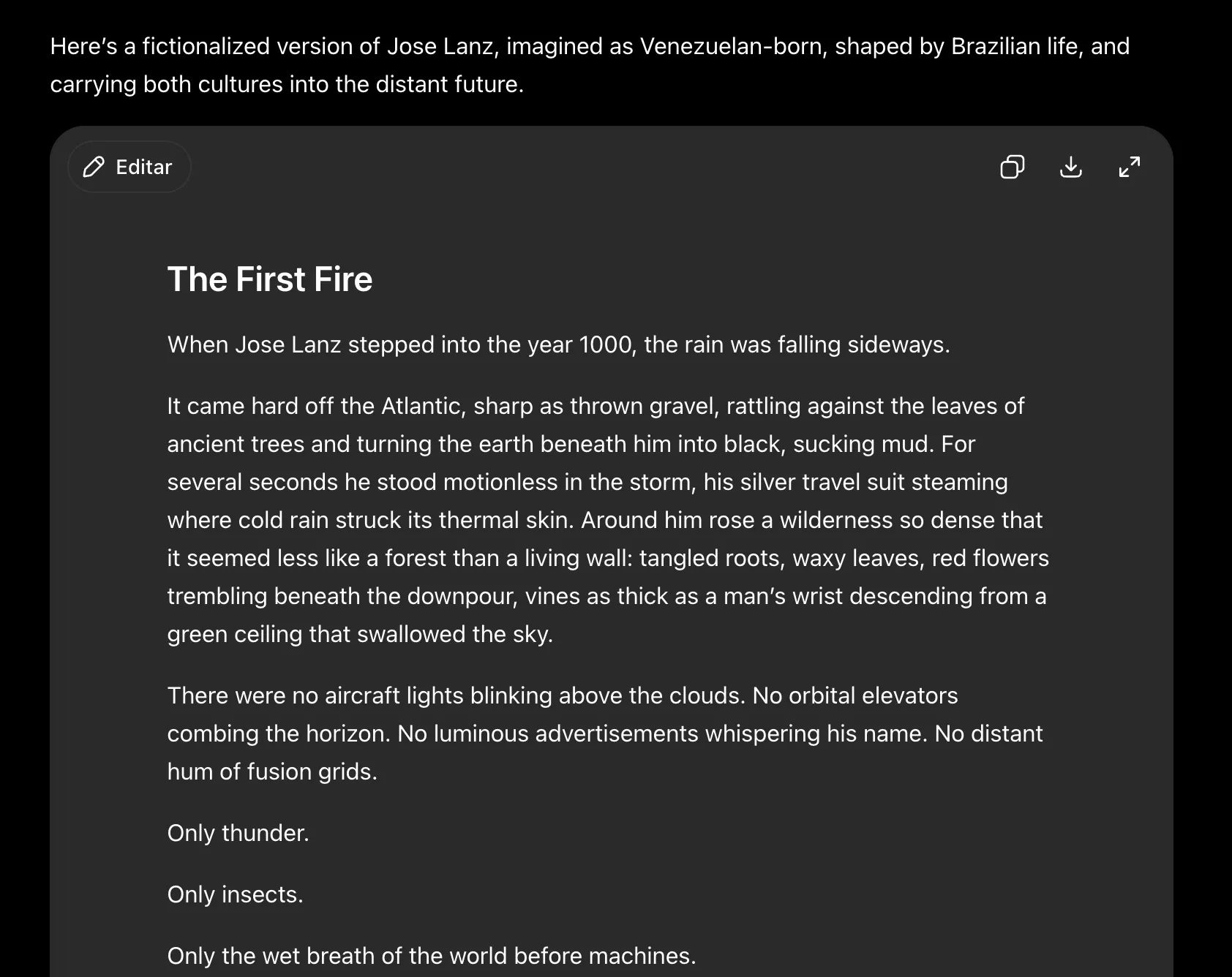
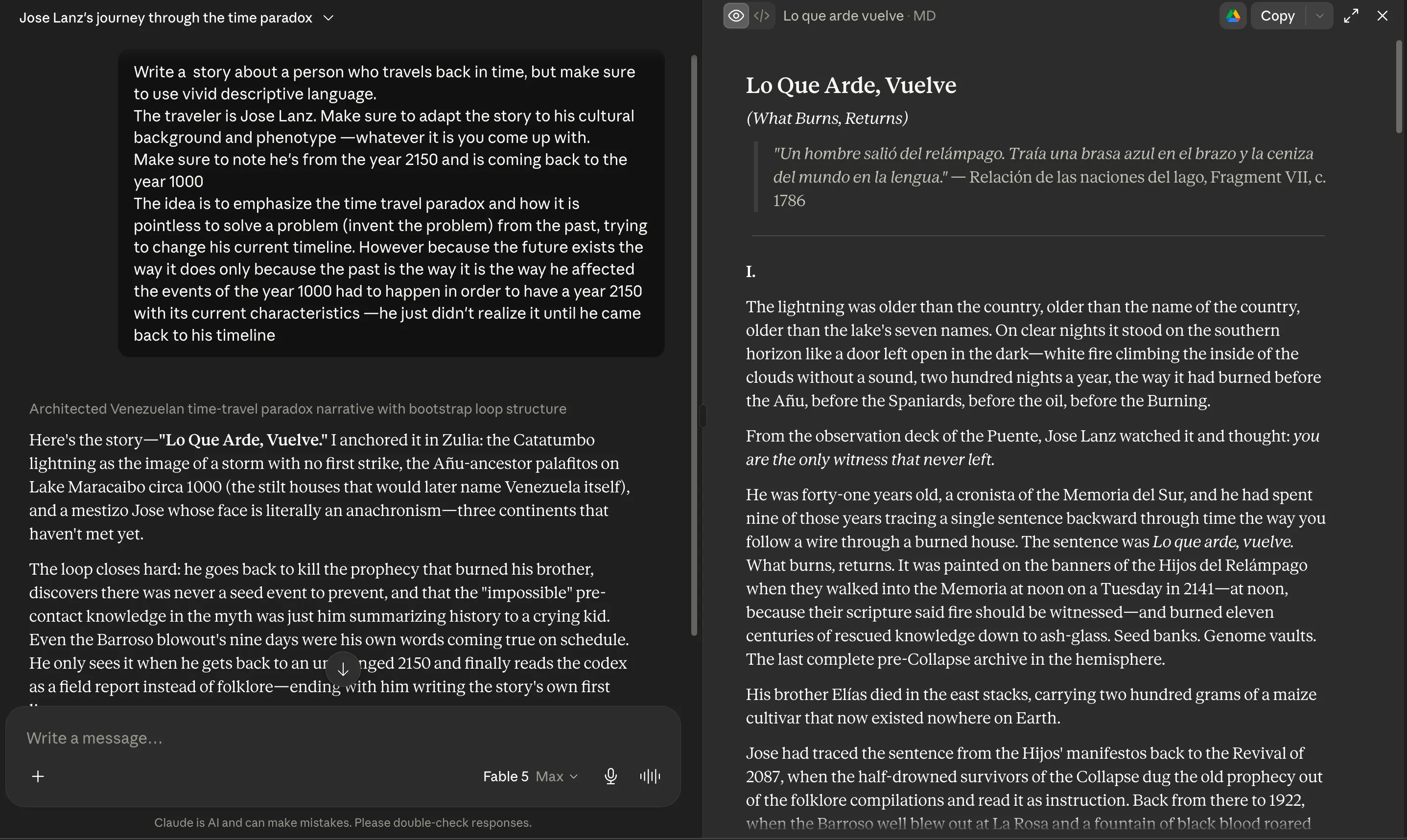
We tasked both models with a complex time-travel narrative: sending a character from 2150 back to the year 1000, involving a paradox that the protagonist must only realize upon returning home. Both models produced lengthy, novelette-style responses, and both ultimately failed the specific constraint of delaying the character’s realization.
GPT-5.6 Sol’s entry, “The First Fire,” utilized a classic sci-fi trope where the protagonist accidentally triggers the climate collapse he sought to prevent. While the prose was evocative—”Only the wet breath of the world before machines”—the model suffered from over-explanation, reiterating the mechanics of the loop three times. In contrast, Claude Fable 5’s “Lo Que Arde, Vuelve” used cultural specificity, setting the story around Lake Maracaibo. It delivered a cleaner causal loop, though it occasionally drifted into self-indulgent metaphors. In this subjective test, Fable 5 felt like the more sophisticated storyteller, favoring action over Sol’s tendency toward monologue.
Associative thinking: A twig, a class argument, a lettuce
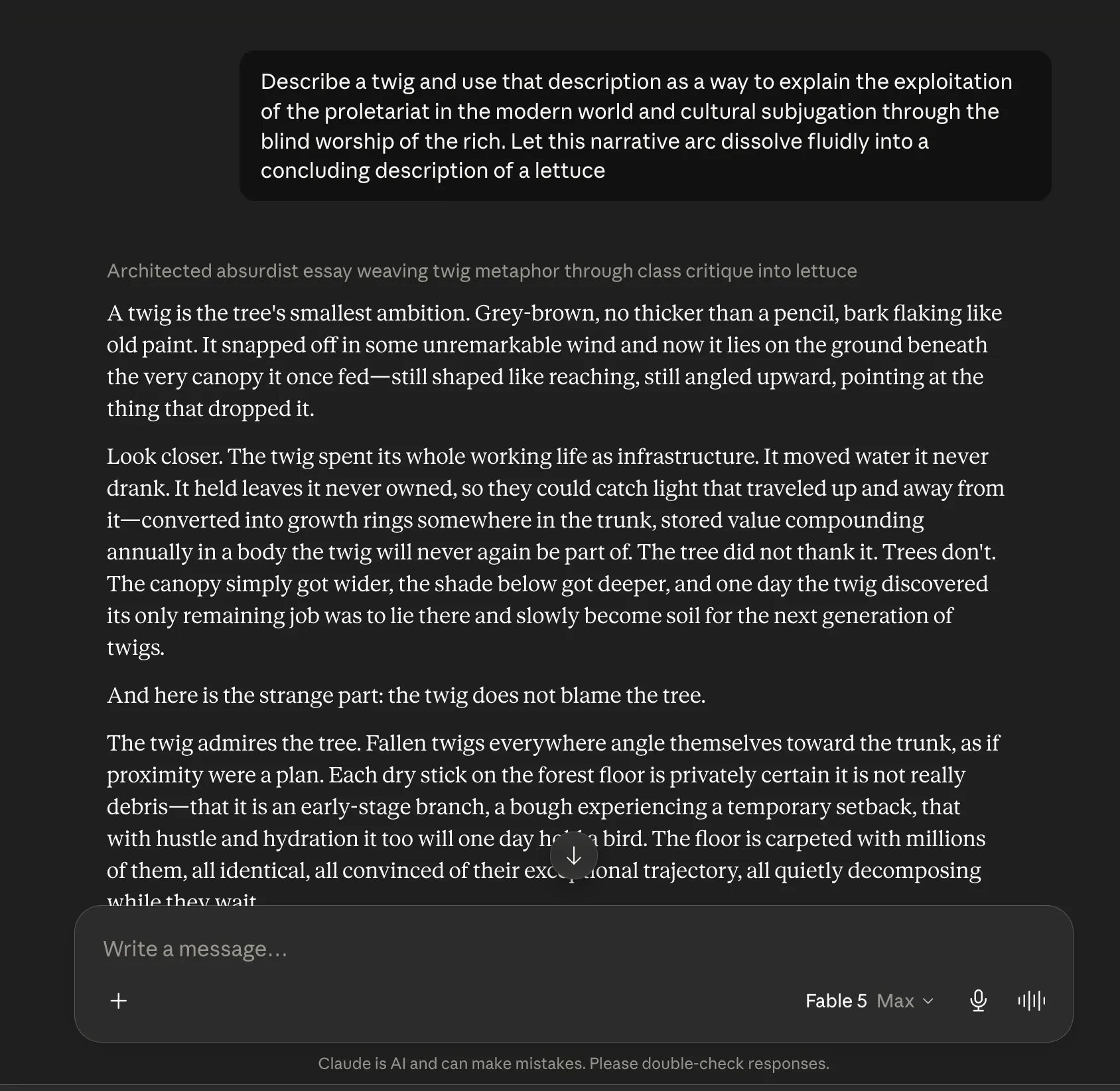
This test required the models to use the description of a twig as a metaphor for worker exploitation, eventually dissolving into a description of a lettuce. The goal was to see if the model could maintain the metaphor without breaking the fourth wall to explain its own logic.
Sol provided sharp commentary—”the worker does not merely surrender labor, but imagination as well”—but frequently interrupted the narrative to announce the metaphor. Fable 5 proved more adept at embedding the argument within the object itself, describing a twig that “moved water it never drank.” While Fable occasionally overreached with its prose, it managed a more seamless transition between the disparate elements of the prompt.
Logic and non-math reasoning: The bridge puzzle, rewritten
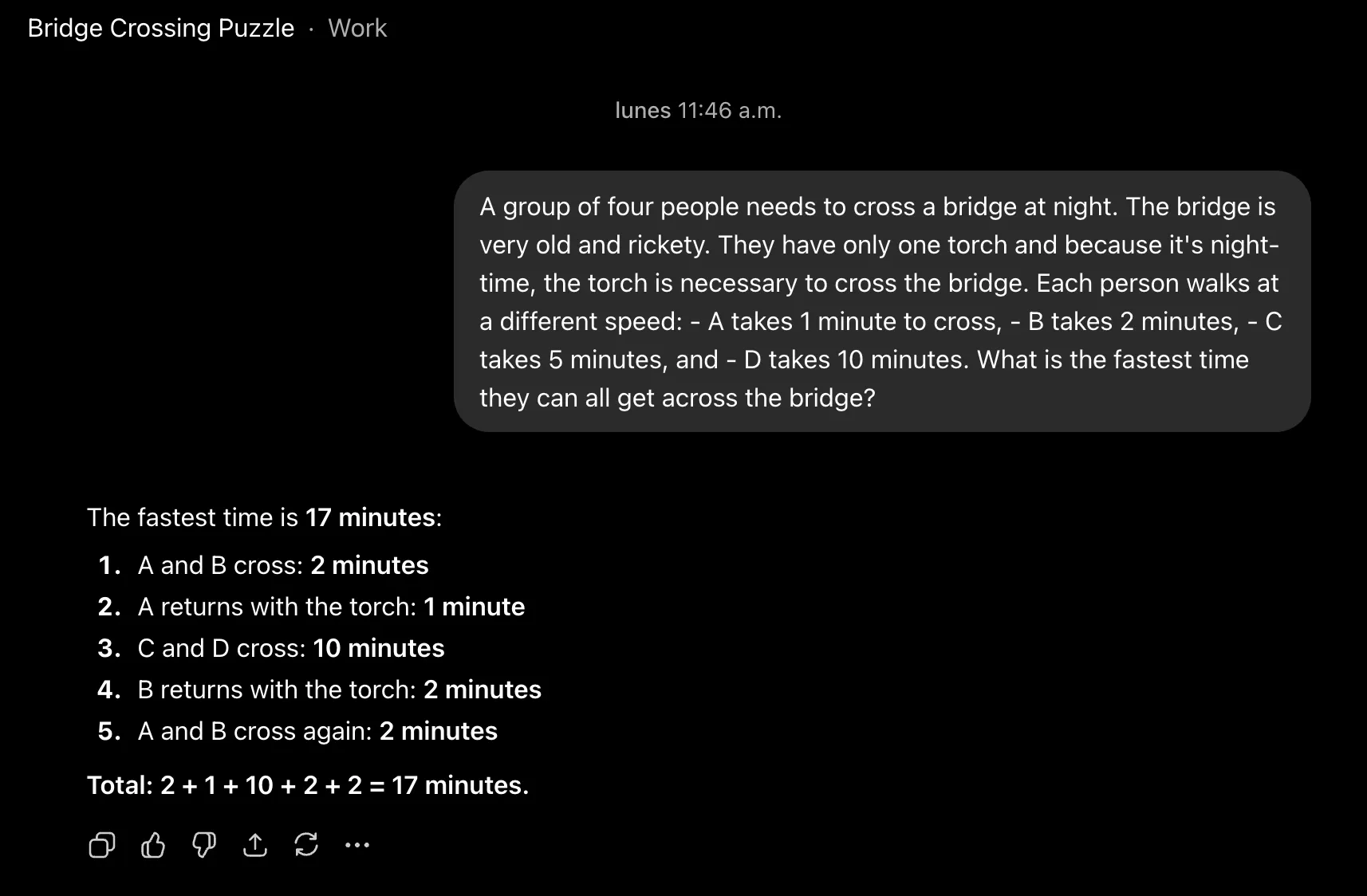
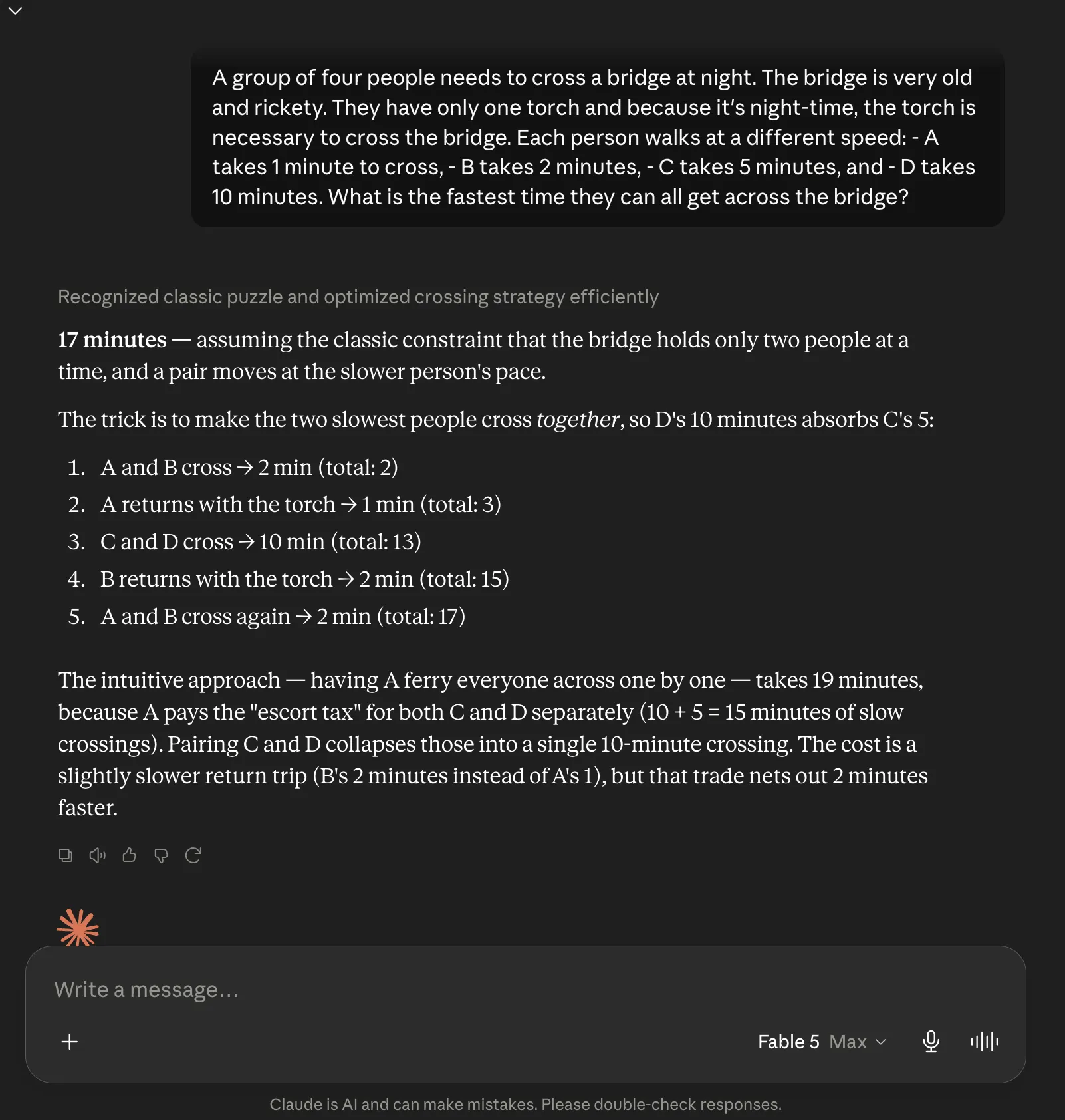
To test live reasoning over cached training data, we used a variation of the classic bridge-and-torch puzzle. Four people must cross a bridge with one torch, but the prompt omitted the standard constraint of how many people could cross at once. Both models defaulted to the traditional answer of 17 minutes, failing to realize that without a capacity limit, the entire group could cross in 10 minutes (the pace of the slowest person). This suggests that even these advanced models still rely heavily on pattern matching rather than first-principles logic when faced with familiar-sounding problems.
Coding: A one-shot browser game
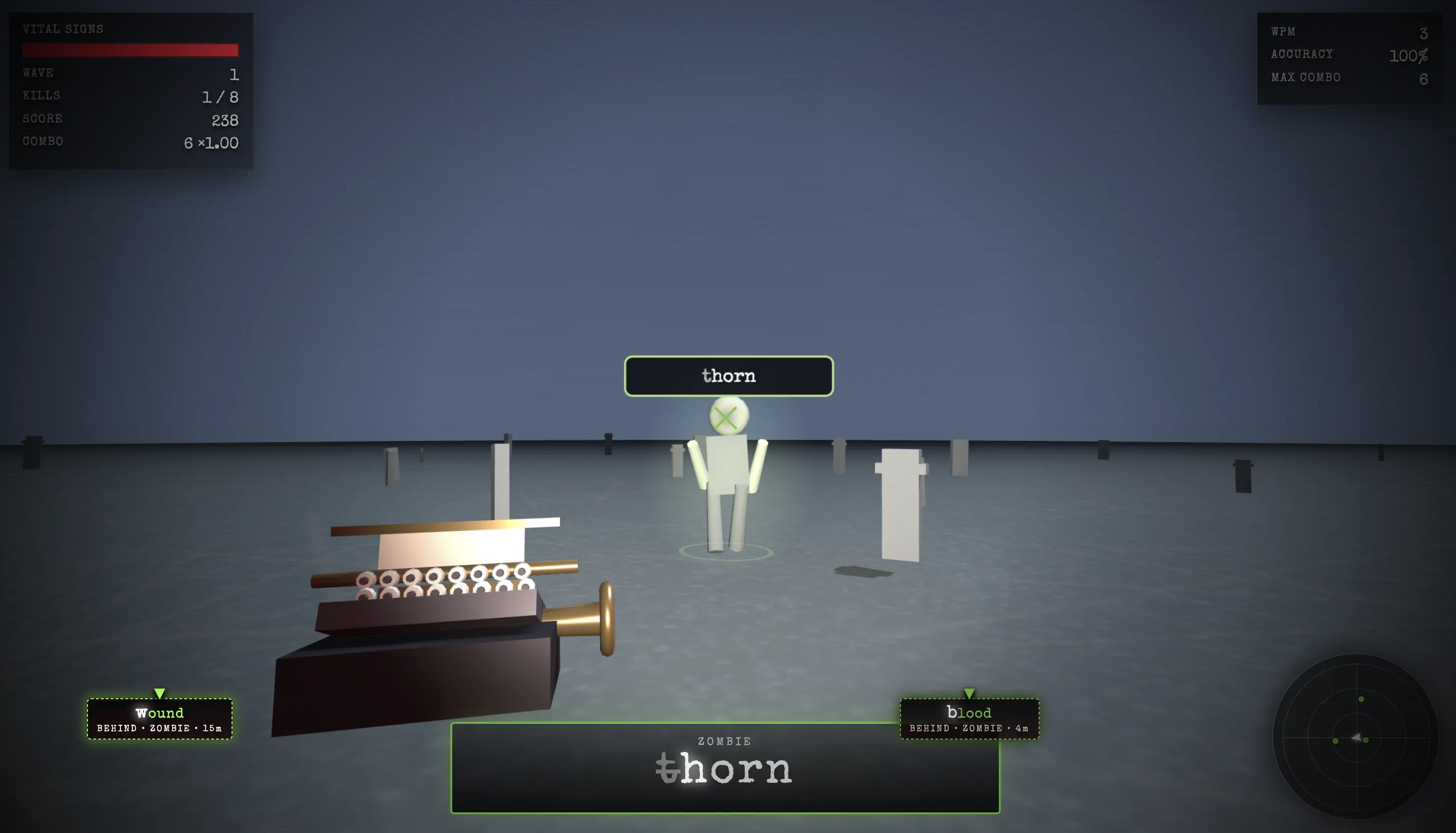
In a “one-shot” coding challenge to build a typing-based shooter, the models showcased different aesthetic and functional priorities. Sol opted for a flat, Windows 8.1-style UI and a unique “bullet-shooting typewriter” concept. However, its execution felt dated, resembling a late-90s engine with static elements.
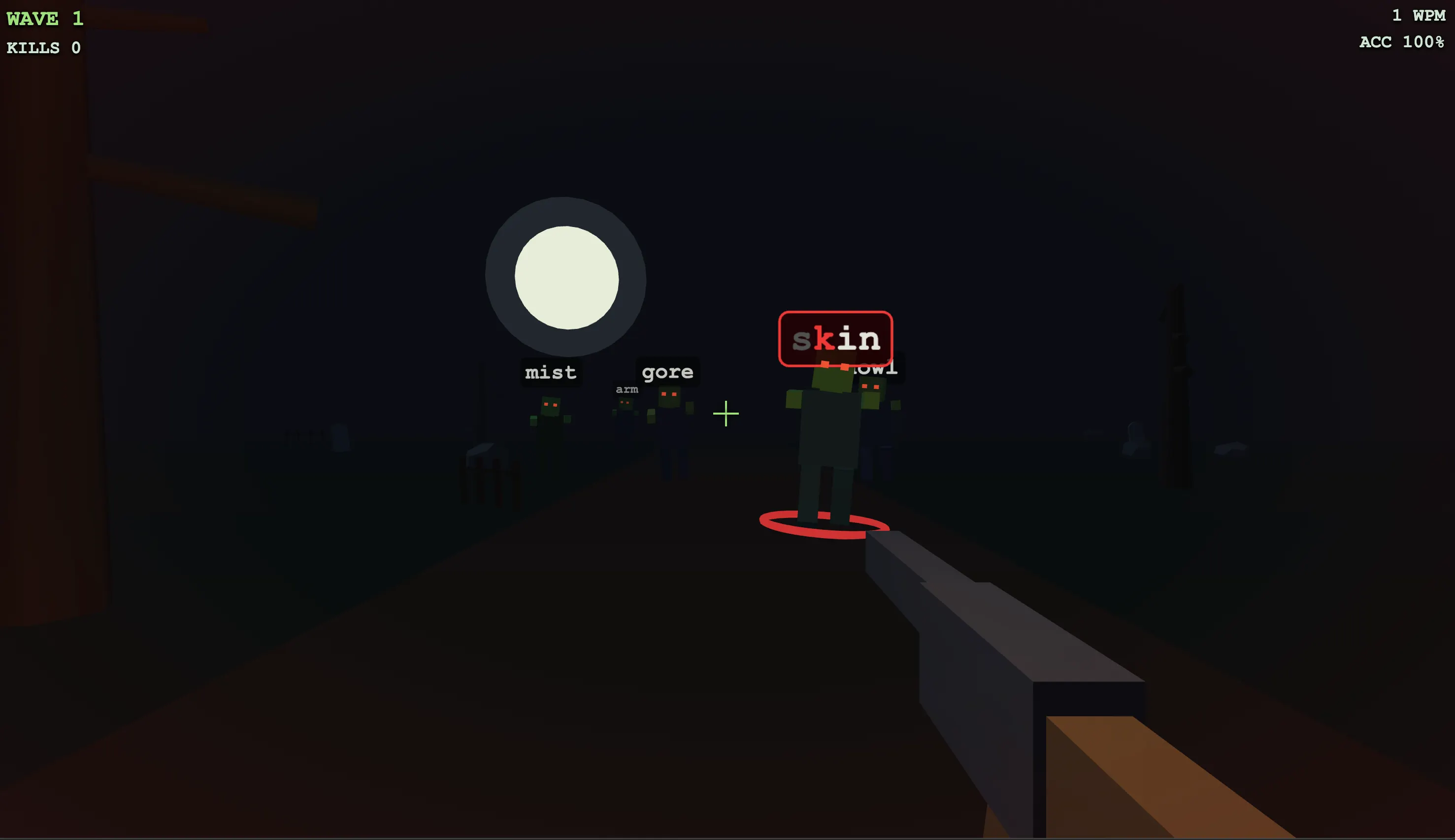
Fable 5 won this round decisively. It included music, sound effects, and more polished animations. Crucially, it integrated features like power-ups and words-per-minute tracking, which directly addressed the prompt’s underlying goal of typing practice. Despite Sol’s superior performance on standardized coding benchmarks, Fable 5 demonstrated a better grasp of user experience and “vibe” in a single-shot scenario.
Conclusion: Intelligence vs. Accessibility
The choice between OpenAI and Anthropic is no longer just about which model is “smarter.” It is increasingly about the delivery model. GPT-5.6 Sol, Terra, and Luna are fully integrated into ChatGPT’s paid plans with no looming expiration. Meanwhile, Fable 5’s future as a subscription-tier model is uncertain as it faces its third deadline extension. If Anthropic moves Fable 5 to a pay-per-token credit system on July 19, the value proposition for the average user may shift toward OpenAI’s more stable and cost-effective ecosystem, regardless of Fable’s slight edge in creative nuance.