Meta Embeds Muse Image AI Directly into Social Ecosystem to Challenge OpenAI
New model prioritizes social integration over standalone apps.

Meta is weaponizing its massive user base in the generative AI race by embedding its latest model, Muse Image, directly into the daily workflows of billions. Unlike standalone tools like Gemini or ChatGPT, Muse Image operates inside Instagram and WhatsApp, allowing users to generate and edit visuals without leaving their primary communication hubs.
According to an official blog post, the model handles text-to-image prompts and complex photo manipulations, such as merging multiple photographs into a single coherent output. This integration strategy addresses a key friction point in consumer AI: the transition between creation and sharing.
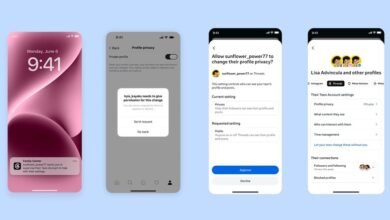
The tool introduces social-specific features, including the ability to mention public profiles with an @ symbol to incorporate their images into new creations. Meta confirmed that this functionality is restricted by privacy settings, preventing the use of content from accounts with active protection measures.
Beyond simple generation, the system understands lenguaje conversacional to perform specific edits, such as removing unwanted subjects or altering backgrounds to place users in historical settings. The company claims Muse Image also solves a persistent industry hurdle by rendering legible text within images, a feature critical for producing functional infographics.
This rollout follows the introduction of Muse Spark, a reasoning-focused update designed to enhance the contextual understanding of Meta AI. By moving beyond the experimental phase of its earlier Emu model—unveiled during Meta Connect 2023—the company is now positioning its AI suite as a commercial product. Meta plans to sell model access to external developers via cloud services, a move aimed at recouping its heavy investment in superinteligencia artificial.
As the volume of synthetic media grows, the legal landscape remains complex. The U.S. Copyright Office has previously issued guidance on the registrability of works containing AI-generated content, a factor that may influence how professional creators adopt these integrated tools.
The new model offers over thirty AI effects for Instagram Stories and direct image generation within WhatsApp chats. While competitors like OpenAI and Google have maintained a lead in raw output quality, Meta’s advantage lies in its existing ecosystem, where the distance between a prompt and a published post is now effectively zero.