Screen-Driven Travel Reshapes Global Tourism, Spurring Economic Booms and Overtourism Rules
From Scotland to the French Riviera, television and film hits are driving record luxury spend while forcing cities to limit crowd numbers.
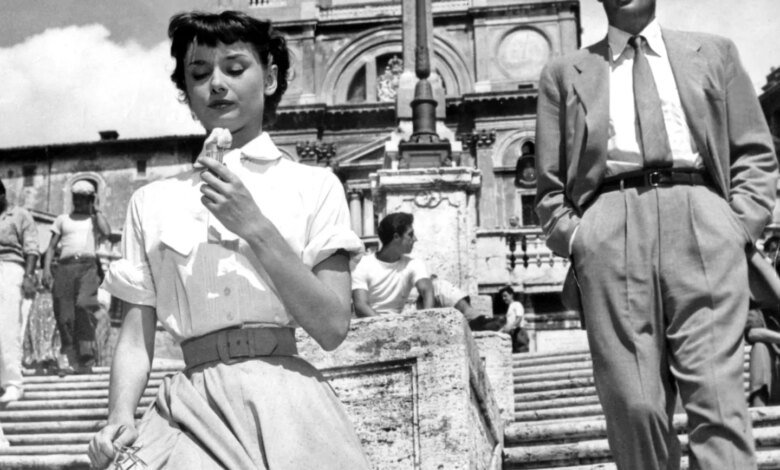
Film and television productions are fundamentally altering global travel patterns, pushing wealthy vacationers and pop-culture enthusiasts from their screens directly to filming locations. The phenomenon, widely known as set-jetting, is driving record revenue for hospitality providers while simultaneously straining infrastructure in popular destinations and triggering strict municipal regulations.
The financial impact on regions featured in hit series is substantial. According to Thailand’s Department of International Trade Promotion, travel to the country jumped 300% following exposure from HBO’s The White Lotus. In the United States, a University of Montana study revealed that the drama Yellowstone drew 2.1 million visitors to the state in 2021, generating over $730 million in local spending. Film commissions worldwide increasingly use tax credits and subsidies specifically to capture these long-tail tourism windfalls, transforming production budgets into multi-year regional economic engines.
However, the rapid influx of visitors has created severe operational pressures for historical sites. In Dubrovnik, Croatia, where the old city served as a primary filming site for Game of Thrones, local authorities enabled strict municipal controls to manage crowding, including limits on cruise ship arrivals, vehicle access, and street alcohol sales. Similar friction has surfaced in Sicily’s Taormina, where local waters are crowded with specialized boat operators, and in coastal resort towns where independent hotel operators, such as Hotel Katarina in Orebić, actively distance themselves from pop-culture tourism to preserve traditional regional appeal. According to World Travel & Tourism Council data on destination management, sustainable visitor limits and carrying-capacity frameworks are increasingly vital for heritage destinations facing sudden media exposure.
The trend has become particularly lucrative for the high-end travel market, where clients demand tailored, story-driven itineraries. Travel advisor Jessica Eknaian of Fora recently arranged a $75,000 Thailand trip focused on luxury hotels featured on screen, while experiential agency Pelorus Travel established a $157,500 immersive Scottish Highlands package inspired by the reality series The Traitors. Demand for featured properties has overwhelmed supply; Scotland’s Ardross Castle, which serves as the backdrop for The Traitors at an estimated $7,300 per night, is entirely booked through 2027.
Industry experts emphasize that social media platforms like TikTok and Instagram have dramatically accelerated the timeline between on-screen exposure and physical overcrowding. Jules Perowne, founder of a global travel communications firm, notes that viral social clips turn traditional, long-term travel desires into immediate destination spikes that can jeopardize fragile local ecosystems. Conversely, Pelorus Travel co-founder Jimmy Carroll notes that travelers increasingly seek set-jetting opportunities to actively participate in narrative environments rather than remaining passive observers.
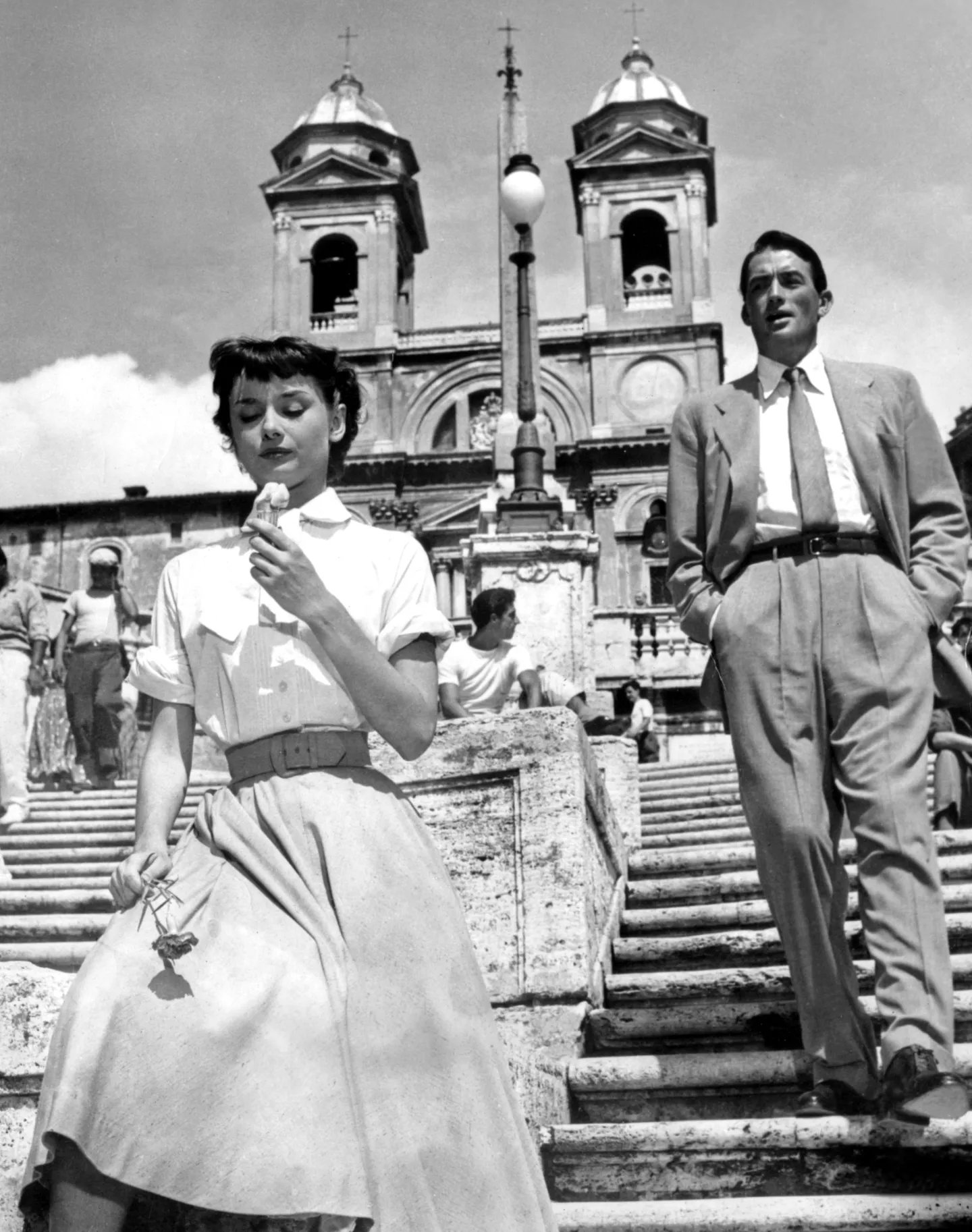
While media-driven travel has reached unprecedented velocity today, the underlying motivation builds on decades of cinema-inspired travel. Classics like 1953’s Roman Holiday established Rome’s Hassler Roma hotel as a benchmark for Hollywood glamour, while 2000’s The Beach altered Southeast Asian backpacking corridors, and 2003’s Lost in Translation elevated Tokyo’s Park Hyatt. Luxury brands continue to capitalize on this heritage, such as Monte Carlo’s Hôtel Métropole offering custom James Bond packages complete with bespoke tailoring and private helicopter transport.
The cycle shows no signs of slowing as production crews expand into new regions. Filming activity along the French Riviera near St.-Tropez, Cannes, and private retreats like Zannier Île de Bendor in Bandol—historically frequented by figures like Salvador Dalí and Josephine Baker—indicates that luxury travel and global entertainment industries remain deeply intertwined.