OpenAI Removes ChatGPT Text Limits for Free Users in Broad GPT-5.6 Upgrade
The AI leader lifts conversational caps and expands advanced reasoning controls across its consumer service.
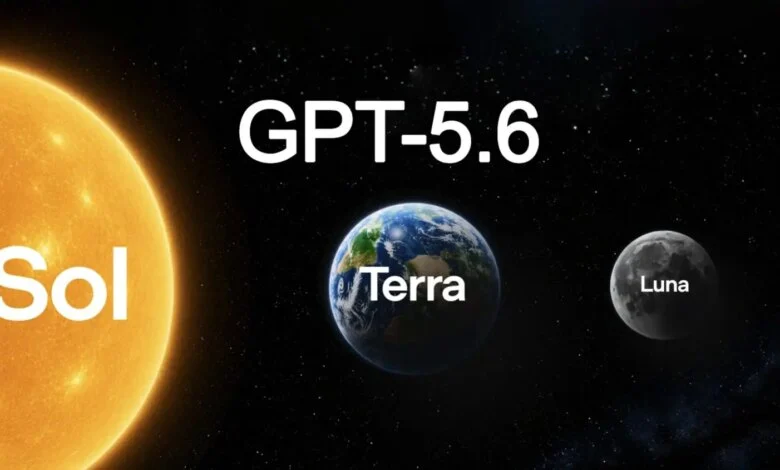
OpenAI is removing all text conversation caps for non-paying ChatGPT users this week as it establishes its new GPT-5.6 Luna model as the default standard across the service, marking a major pivot in its consumer accessibility strategy.
Under the changes, both free accounts and users on the entry-level Go tier will gain unrestricted text chatting. Free users will also receive access to a dedicated “Think” function designed to trigger deeper reasoning on complex queries—a capability previously reserved for paying subscribers.
The update replaces GPT-5.5 with GPT-5.6 Luna for zero-cost accounts, automatically transitioning free users without an option to revert to earlier builds. While text access becomes unlimited, OpenAI is retaining strict caps on file uploads, image generation, and broader multimedia tools for non-subscribers.
For premium Plus and Pro tiers, OpenAI has deployed an updated iteration of GPT-5.6 Sol. The upgraded model integrates a manual slider control that allows users to adjust the duration of internal reasoning processing before the system generates an answer, helping subscribers conserve computational credits during heavy programming or analytical tasks.
The strategic shift reflects intensifying competition in the artificial intelligence sector, where providers are lowering access barriers to protect user growth. The rollout unifies rapid conversational responses and deeper logic processing within a single pipeline under the Sol framework to maintain consistent tone.
OpenAI clarified that the consumer ChatGPT version of GPT-5.6 Sol is separate from the backend architecture powering its enterprise Work and Codex engines, meaning software developers using the platform for code synthesis will remain on existing builds. Alongside the model deployment, the company is rolling out heightened safety guardrails specifically targeted at filtering graphic violence, sexual content, and self-harm materials.