Cybercriminals Impersonate Windows Utilities in Mass SEO Poisoning Campaign
Dozens of fake software domains use Amazon CloudFront and traffic redirection to deliver info-stealers and crypto malware.
A widespread malicious campaign has been uncovered deploying dozens of spoofed websites designed to impersonate popular Windows utilities, developer toolkits, and system optimization applications. The operation, which relies on domain typosquatting and search engine manipulation, tricks users into downloading multi-stage malware capable of extracting saved passwords, hijacking crypto transactions, and deploying unauthorized background software.
The infrastructure was initially exposed when software developer Bogdan_X, creator of the Windows utility Wintoys, identified an unauthorized replica of his application’s official site. Subsequent domain registration tracking revealed an interconnected network of at least 72 domain names operating under an identical playbook.
Search engine optimization (SEO) poisoning plays a central role in the campaign’s distribution strategy. Rather than delivering malicious payloads immediately, newly registered domain names initially link to authentic software files hosted on official GitHub repositories. This practice builds domain authority and allows the fake sites to secure high organic search rankings alongside—or even above—genuine project pages on search engines like Google.
Once a fraudulent domain accumulates sufficient search traffic, the threat actors quietly alter its backend logic. To bypass security filters, the operators host a JavaScript staging layer on Amazon CloudFront CDN nodes. When a visitor clicks a download button, the script routes the session through a Traffic Distribution System (TDS). The TDS evaluates recipient metadata, including geolocation, browser signatures, and system parameters, before deciding whether to deliver a malicious payload or forward the user to a legitimate repository.
According to analysis from Check Point Research, which tracked a broader ecosystem overlapping with the Wintoys discovery, the operation delivers three main malware families:
- SessionGate: A heavily obfuscated multi-stage loader equipped with anti-analysis mechanisms designed to install unwanted secondary software silently.
- RemusStealer: An information-stealing payload identified as a variant of the Lumma Stealer family, engineered to extract browser session cookies, system credentials, and personal data.
- AnimateClipper: A specialized cryptocurrency stealer that monitors the Windows clipboard for crypto wallet address formats, instantly swapping them with attacker-controlled destinations when a transaction address is copied.
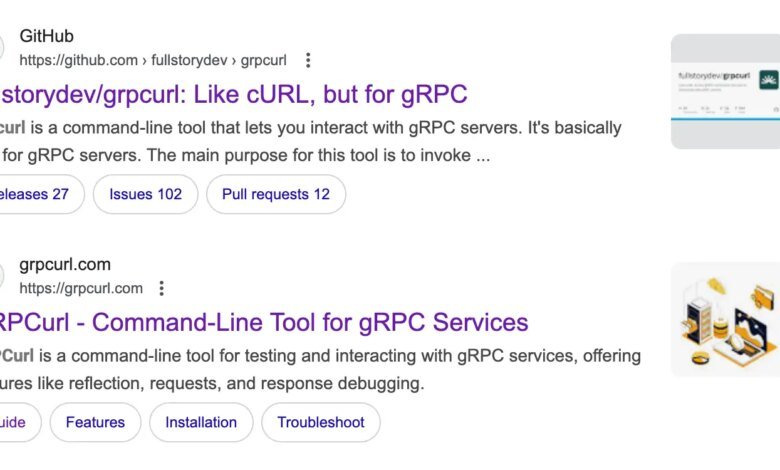
The scope of impersonated software extends well beyond basic desktop utilities like Wintoys, PowerToys, CrystalDiskMark, EasyBCD, and Lively Wallpaper. Cybercriminals have targeted technical audiences by cloning pages for reverse engineering and administrative utilities, including Ghidra, dnSpy, SpiderFoot, and grpcurl.
Telemetry data collected from VirusTotal indicates that public submissions of flagged installers affiliated with the campaign exceed 5,000 files. Historical records show that the earliest malicious samples were deployed in August 2025, confirming that the impersonation operation remained active for nearly a year prior to public disclosure.