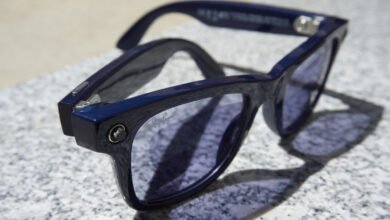
Smartwatch or Smart Ring: How Form Factor Is Splitting Personal Health Tracking
Form factor dictates health utility as buyers choose between active workout screens and overnight finger sensors.
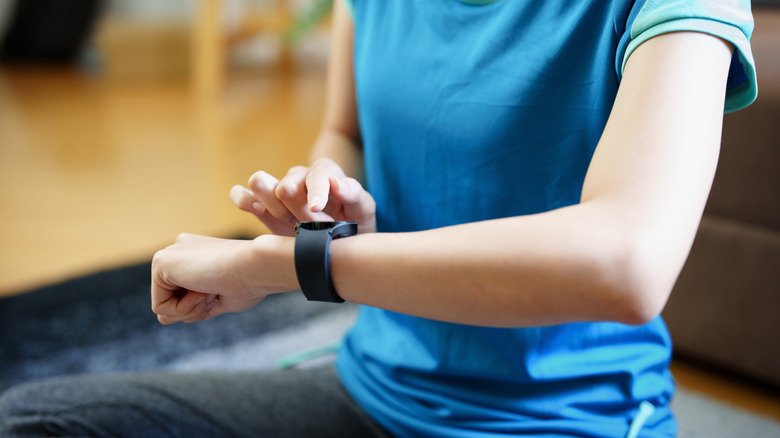
The consumer health tracking market has fractured along physiological lines, forcing users to weigh real-time athletic interaction against passive overnight compliance. Wearable technology now presents a clear choice: dynamic wrist displays engineered for exercise telemetry, or unobtrusive finger-worn rings optimized for multi-day sleep analysis.
While smartwatches dominate active heart rate tracking, customizable workout regimens, cellular communication, and app integration, their physical bulk and demanding charging cycles create friction during sleep. Smart rings remove that obstacle entirely through compact form factors that continuously log skin temperature, cardiovascular recovery, and stress markers without requiring daily battery top-ups.
<img class="gallery-image " src="https://nile1.com/en/wp-content/uploads/2026/08/should-i-buy-a-smartwatch-or-smart-ring-to-monitor-my-health-1784907551.jpg” data-slide-url=”https://www.engadget.com/2226187/smartwatch-vs-smart-ring-health-tracking-difference-between-wearables/” data-post-id=”2226187″ data-slide-num=”1″ data-slide-title=”Smartwatch vs smart ring for health tracking: The difference between these two wearables: Should I buy a smartwatch or smart ring to monitor my health?” width=”780″ height=”438″ alt=”The Google Pixel Watch 4 in front of a display” />
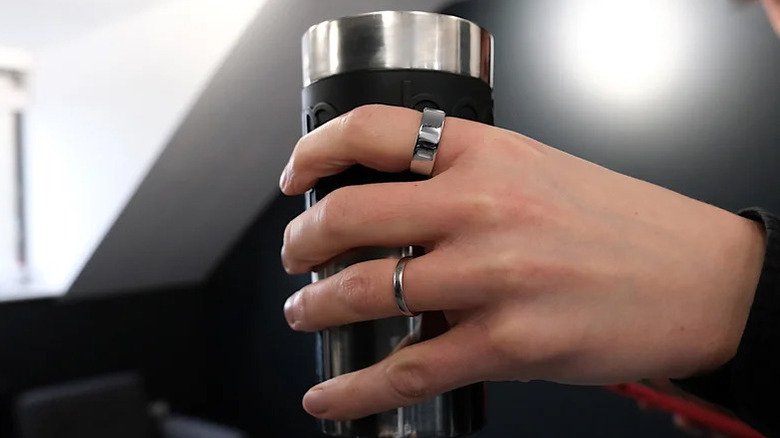
Overnight health monitoring relies heavily on continuous user adherence. Smart rings benefit from higher nocturnal compliance because their lightweight construction avoids the discomfort of wearing a rigid display to bed. The Samsung Galaxy Ring compiles detailed night-time metrics in a lightweight design, while the Oura Ring 4 offers software insights behind a monthly subscription model required to access core hardware features.
Fitness tracking, by contrast, requires immediate visual telemetry that rings cannot deliver independently. Smartwatches capture this segment through specialized hardware: the Google Pixel Watch 4 targets Android users, while the waterproof Garmin Forerunner 165 provides runners with pace, distance, and heart rate metrics across an 11-day battery life on an AMOLED screen. Dedicated fitness bands like the Fitbit Charge 6 bridge both worlds by offering Bluetooth gym equipment pairing alongside electrocardiogram (ECG) scans, stress tracking, and skin temperature monitoring.
<img class="gallery-image " src="https://nile1.com/en/wp-content/uploads/2026/08/which-smartwatch-is-best-for-monitoring-health-1784907552.jpg" data-slide-url="https://www.engadget.com/2226187/smartwatch-vs-smart-ring-health-tracking-difference-between-wearables/" data-post-id="2226187" data-slide-num="3" data-slide-title="Smartwatch vs smart ring for health tracking: The difference between these two wearables: Which smartwatch is best for monitoring health?" width="780" height="438" alt="Apple Watch Series 11” />
At the top of the general-purpose smartwatch market, the Apple Watch Series 11 weighs 37.8 grams and features a wide-angle OLED display, high blood pressure alerts, an overhauled Sleep Score metric, and battery life extending beyond 24 hours on a full charge.
A fundamental biological limitation remains true across all form factors: neither smartwatches nor smart rings can accurately track calorie expenditure, as optical sensors worn on the wrist or finger are unable to measure metabolic readings.