North Korea Test-Fires Ballistic Missile Ahead of Major U.S.-South Korea Military Drills
Pyongyang fires a short-range missile from its eastern coast as Washington and Seoul prepare for annual Ulchi Freedom Shield exercises.
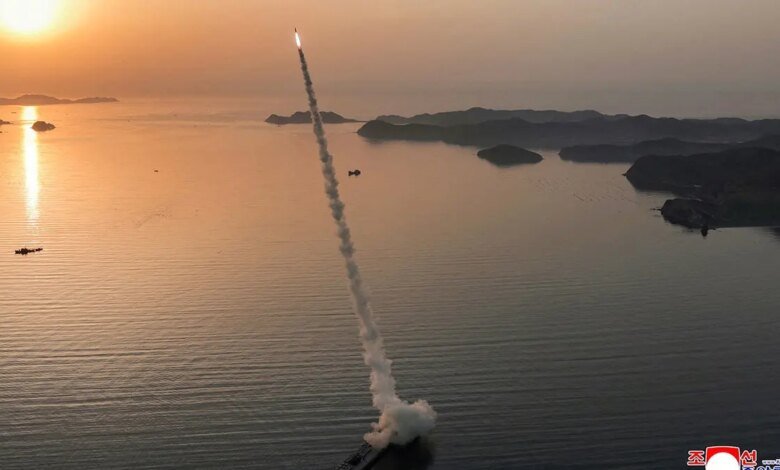
SEOUL — North Korea test-fired a short-range ballistic missile into its eastern waters on Aug. 5, 2026, South Korea and Japan reported, breaking a weeks-long lull in weapons tests ahead of major joint military exercises between Washington and Seoul.
South Korea’s Joint Chiefs of Staff detected the projectile launching from the eastern coastal city of Wonsan around 5 p.m. local time. The weapon flew eastward before coming down in the waters between the Korean Peninsula and Japan.
U.S. Indo-Pacific Command stated that initial assessments indicate no immediate threat to American forces, U.S. territory, or regional allies. “The United States remains committed to the defense of the U.S. homeland and our allies in the region,” the command said in an official statement, noting it was consulting closely with regional partners.
Japanese Defense Minister Shinjiro Koizumi confirmed the missile landed outside Japanese territory and caused no damage. Tokyo lodged a formal diplomatic protest through embassy channels in Beijing, while South Korea’s presidential National Security Council labeled the test a direct violation of United Nations Security Council resolutions, which prohibit North Korea from using ballistic missile technology.
The launch marks North Korea’s first ballistic missile test since late June, when Pyongyang tested a tactical missile equipped with what state media described as a “special mission” warhead. Following those firings, North Korean leader Kim Jong Un urged his military to build up a “deadly and destructive offensive posture.”
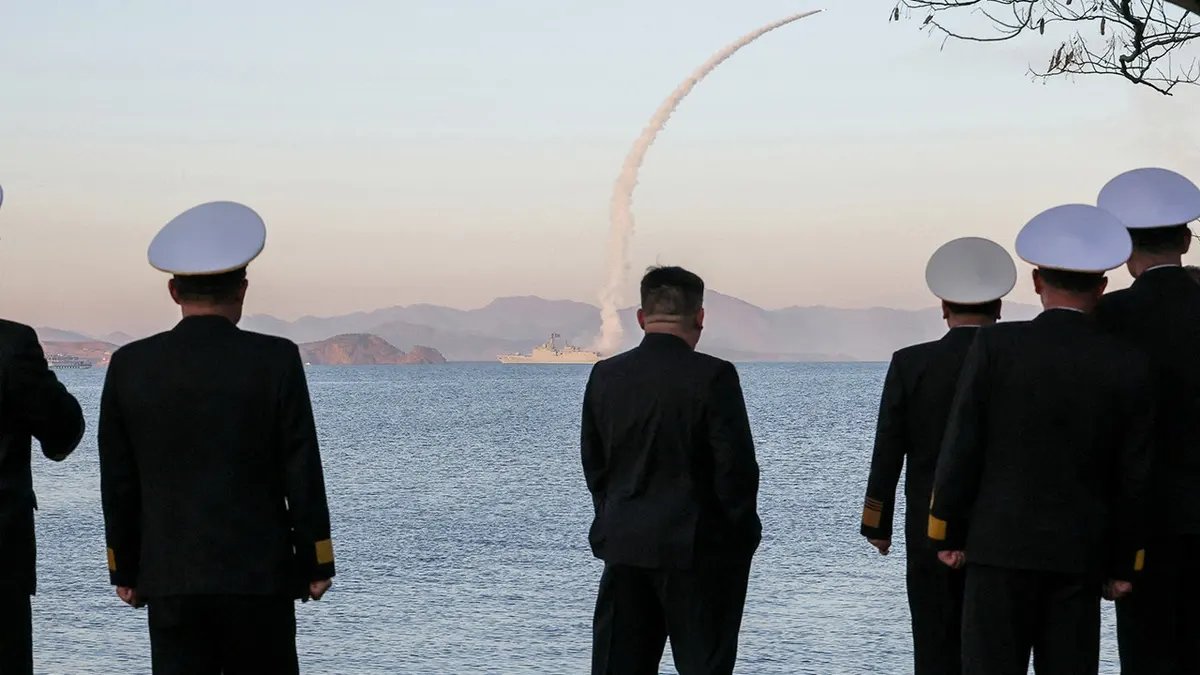
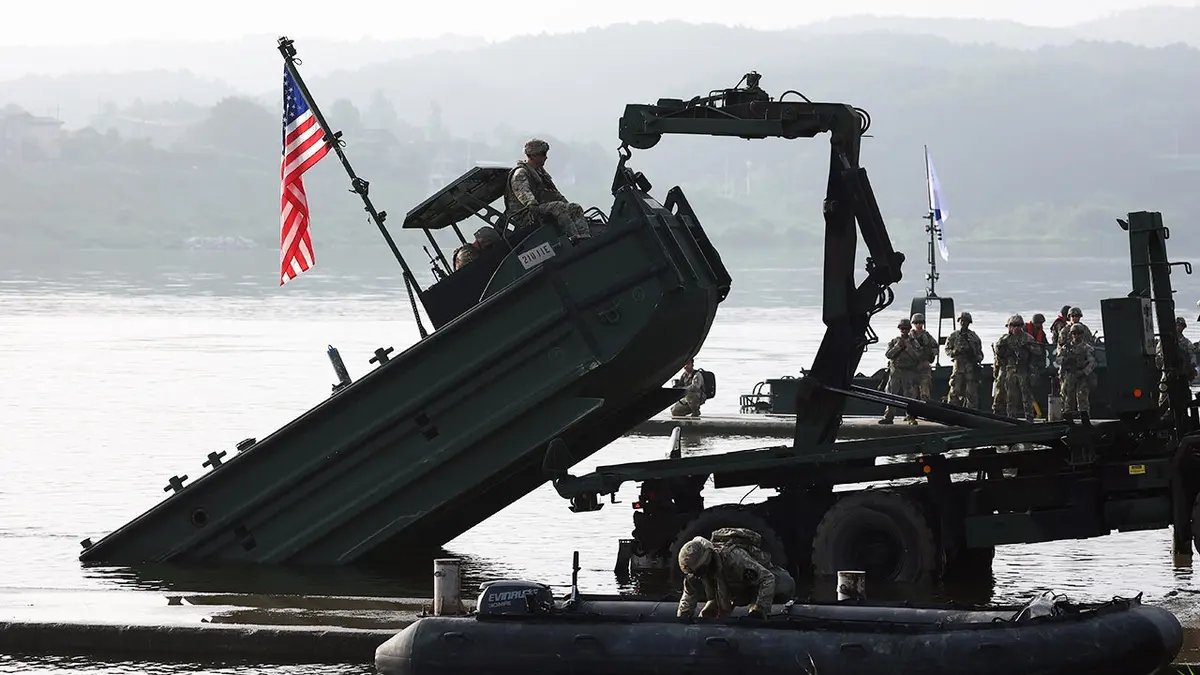
The firing directly precedes Ulchi Freedom Shield, the primary summer joint military exercise conducted by United States Forces Korea, the United Nations Command, and South Korea’s Joint Chiefs of Staff. While Washington and Seoul emphasize that the multi-domain exercises involving live-fire and field maneuvers are strictly defensive, Pyongyang historically treats them as invasion rehearsals and frequently responds with weapons demonstrations.
South Korea’s military reinforced its monitoring and surveillance capabilities following the event, maintaining real-time intelligence coordination with military authorities in Washington and Tokyo.