U.S. Mediators Under Scrutiny as Talks with Iran Shift to Strait of Hormuz Shipping Deal
Military figures question the mediation role of Gulf and South Asian partners as Washington seeks a maritime deal with Tehran.

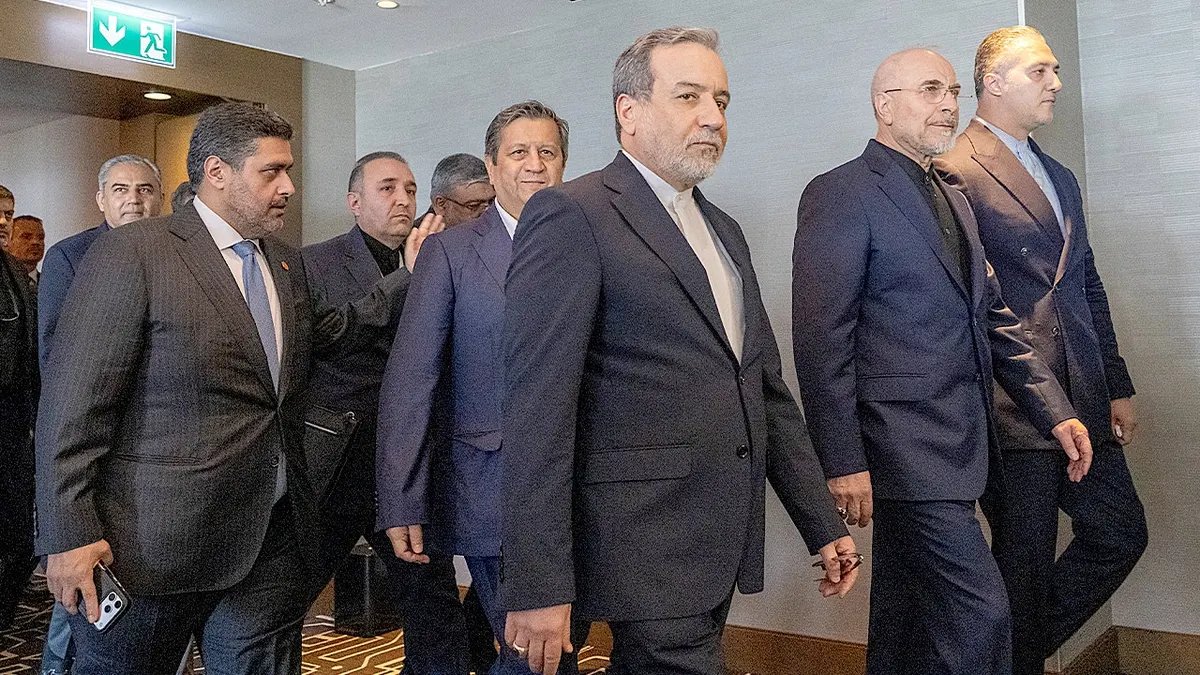
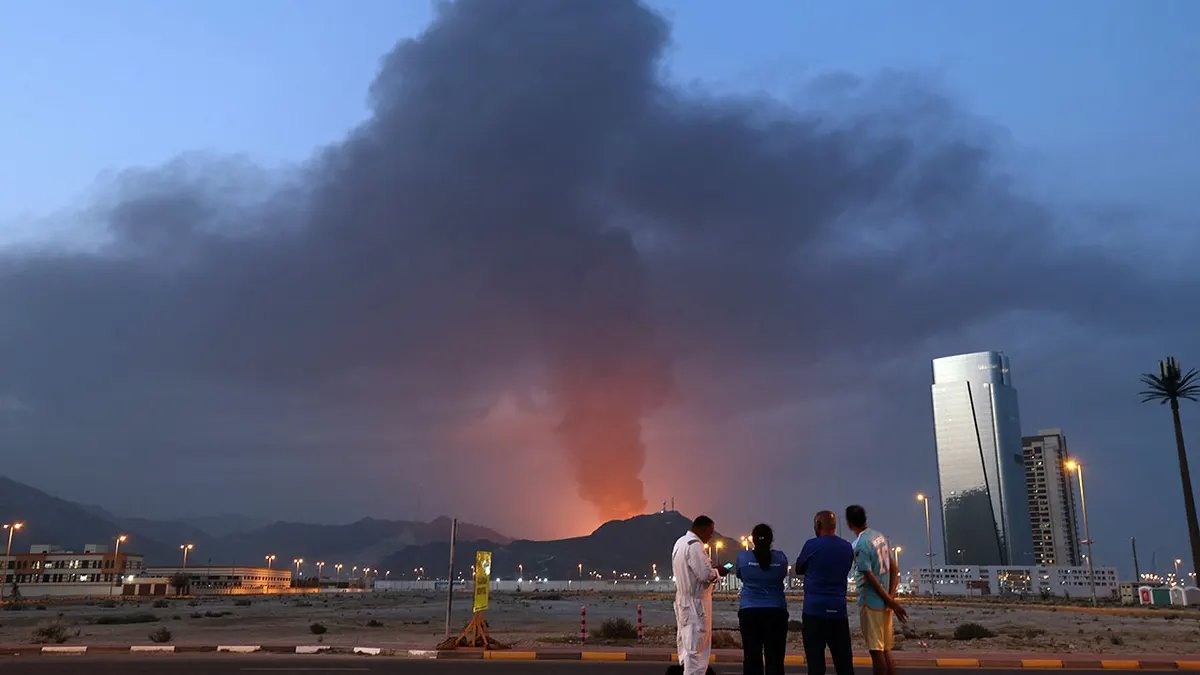
Diplomatic efforts to unblock commercial shipping in the Middle East have triggered sharp divisions over whether key regional mediators—Pakistan, Qatar, and Saudi Arabia—are steering Washington away from military action against Tehran. As negotiators draft a targeted agreement to secure the Strait of Hormuz, through which roughly 20 percent of global petroleum supplies pass, military figures and national security analysts are raising concerns about foreign access restrictions and diplomatic posture.
The rift centers on a pending second memorandum of understanding intended to carve out dedicated transit lanes through Iranian and Omani waters. This maritime proposal aims to separate immediate shipping hazards from broader nuclear talks established under the June 22 Islamabad framework, which created specialized working groups for sanctions relief, nuclear compliance, monitoring, and dispute resolution.
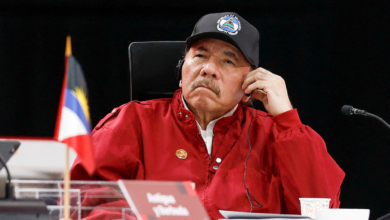
Highlighting friction between tactical military planning and coalition diplomacy, retired U.S. Army Gen. Jack Keane disclosed that Saudi Arabia denied the United States access to its airspace and an air base during preparations for an operation aimed at forcibly reopening the Strait of Hormuz. Keane argued that Islamabad and Doha favor Iranian interests, stating that “the Pakistanis and the Qataris are compromised because they favor Iran at the expense of the United States,” while asserting that Riyadh is leaving Washington and Israel to bear the direct risks of confronting Tehran.
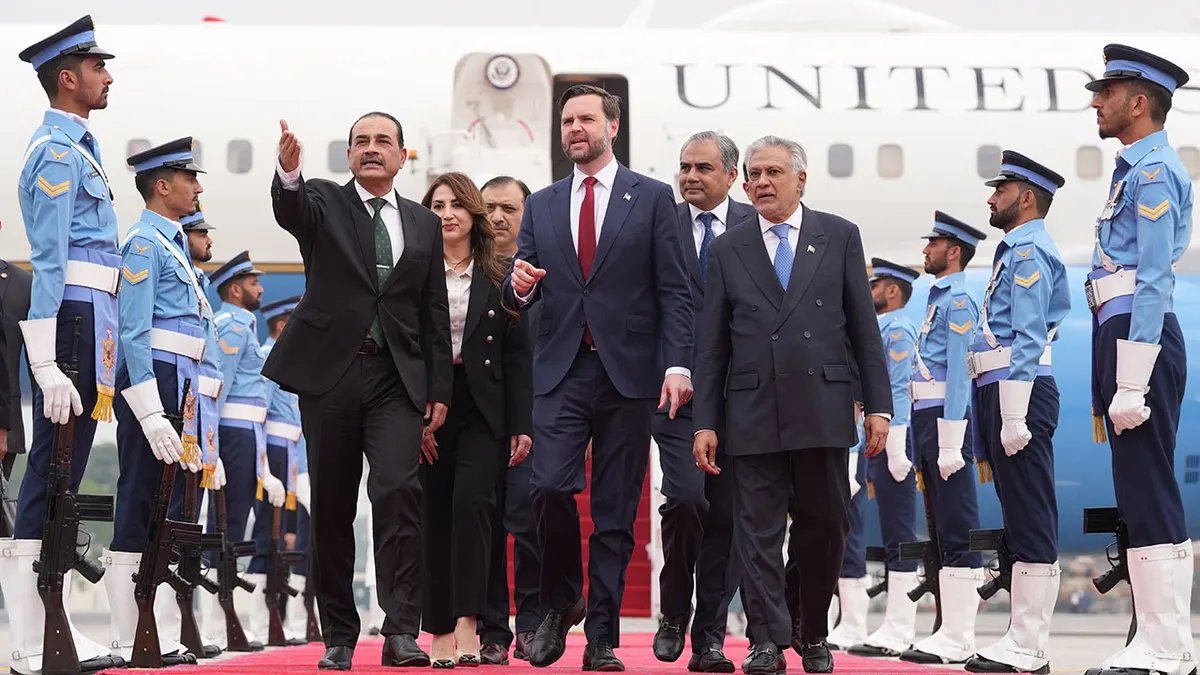
The White House pushed back against criticism of its strategic partners. “President Trump has great relationships with leaders from Pakistan, Qatar and Saudi Arabia, and he appreciates the involvement of all of our regional partners who are assisting with negotiations,” White House spokesperson Anna Kelly said, adding that if negotiations fail, “the fault will lie squarely with the regime, who will suffer the consequences.” President Donald Trump previously affirmed that Pakistan would remain actively involved in mediation, commending its leadership following a G7 summit in France on June 18.
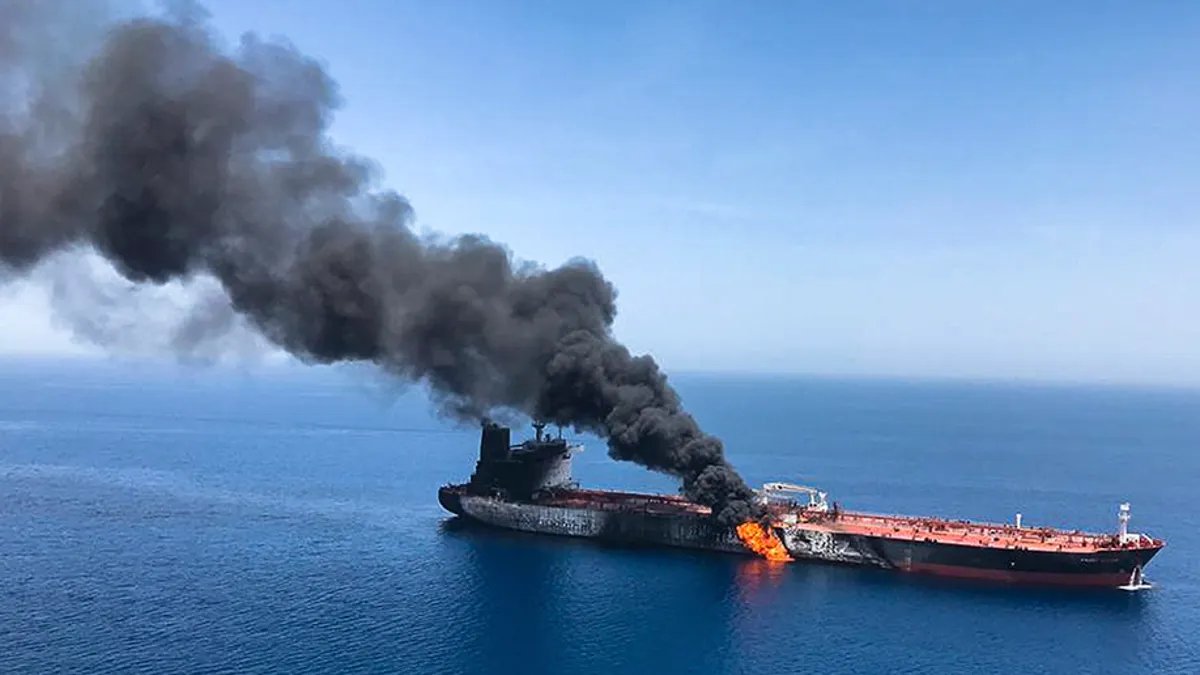
Regional logistical dependencies continue to complicate Washington’s diplomatic balancing act. Former National Security Council official Richard Goldberg noted that the U.S. relies heavily on Saudi Arabia’s overland Red Sea pipelines operating at maximum capacity to bypass maritime bottlenecks and sustain economic pressure on Iran. However, a Gulf affairs analyst noted a divide among regional allies, stating that Saudi Arabia and Qatar lean toward restraint out of fear of Iranian retaliation against oil infrastructure, whereas the United Arab Emirates, Bahrain, and Kuwait support stronger military pressure.
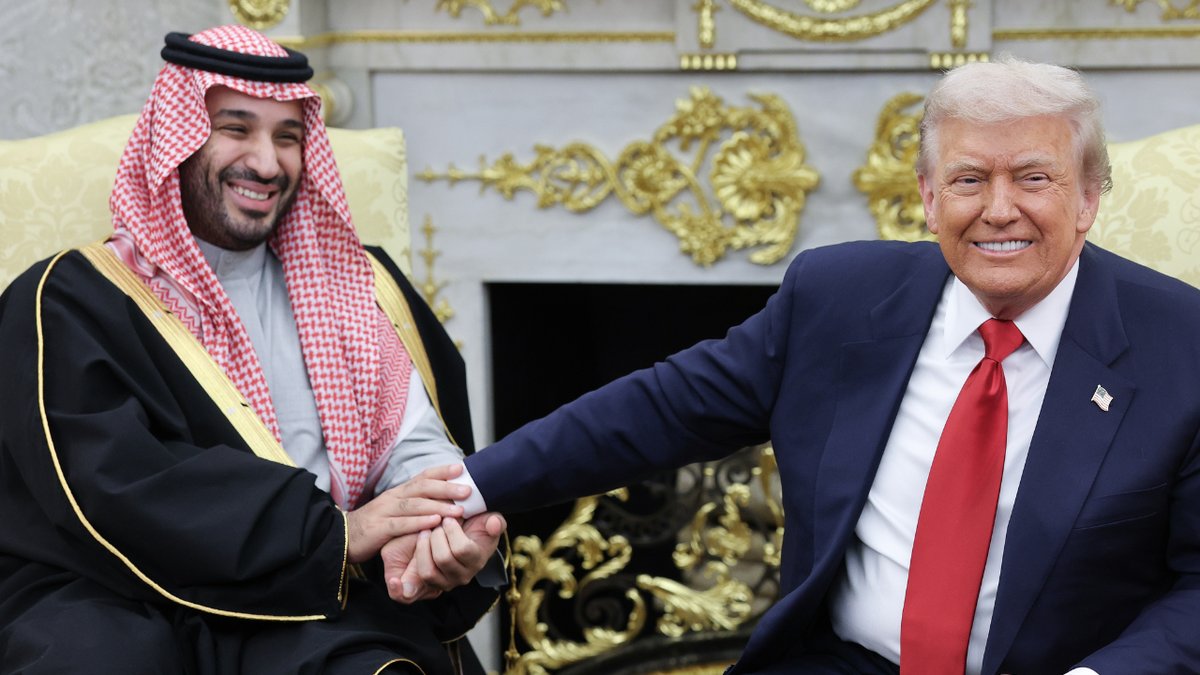
Regional experts strongly dispute allegations that the mediators are compromised. Raza Rumi, editor-at-large of Pakistan’s The Friday Times, stressed that Islamabad’s involvement is driven by its shared border with Iran and vital economic relationships across the region, noting that Pakistan and Iran exchanged military strikes as recently as January 2024. Saudi geopolitical analyst Salman Al-Ansari similarly defended Riyadh’s strategy, explaining that the Kingdom favors “diplomacy backed by credible deterrence, but any agreement must be enforceable and verifiable, addressing Iran’s nuclear program, its proxies, and freedom of navigation in the Strait of Hormuz.”
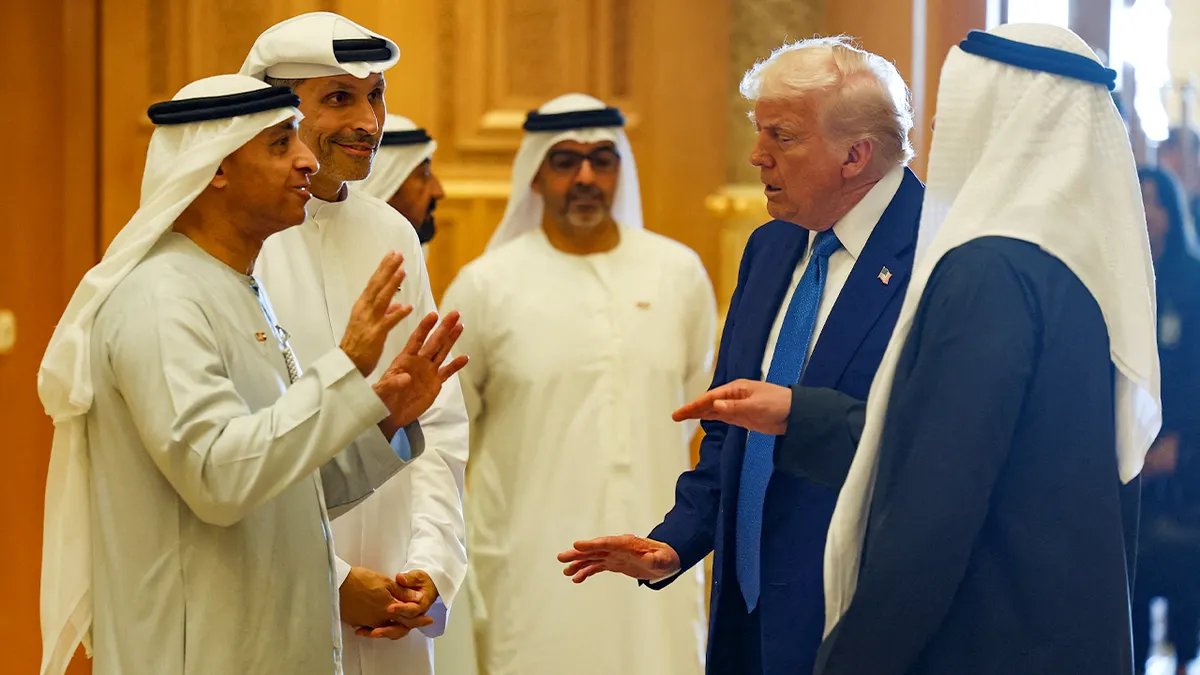
As Oman, Pakistan, Qatar, and Saudi Arabia attempt to finalize terms for the waterway, doubts persist over Tehran’s willingness to make binding concessions. With Iranian leadership viewing control of the Persian Gulf chokepoint as a critical geopolitical leverage point, observers warn that securing long-term compliance on both maritime security and nuclear activities remains uncertain.