New Utility Leverages Microsoft’s Own Server Architecture to Bypass Windows 11 Hardware Blocks
FlyOOBE utility exploits server-grade installation logic to revive older PCs.
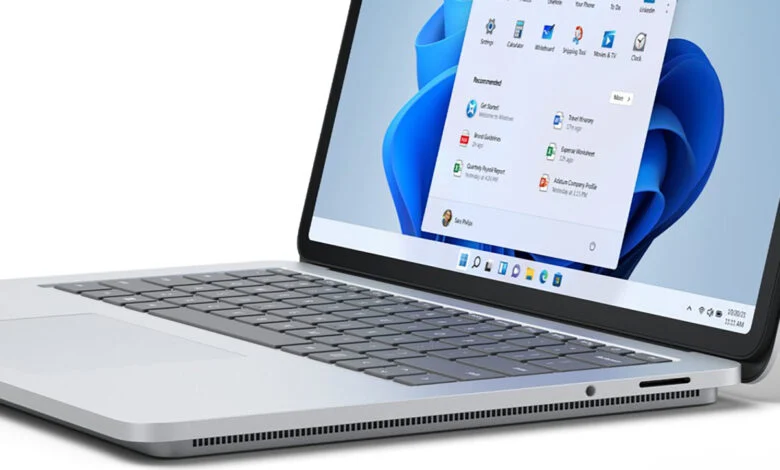
A new open-source utility, FlyOOBE, is providing a streamlined path for users to install Windows 11 25H2 on hardware officially deemed obsolete by Microsoft. By exploiting a specific “backdoor” documented in Microsoft’s own technical literature, the tool bypasses the controversial TPM 2.0 and Secure Boot requirements that have sidelined millions of functional PCs.
Unlike previous workarounds that relied on complex registry edits or command-line scripts, FlyOOBE utilizes the Windows Server installation environment. This specific version of the installer does not enforce the same minimum hardware requirements as the standard consumer edition. While the setup process runs through a server-themed interface, the final operating system remains the standard Windows 11 experience.
The tool, currently hosted on GitHub, automates the retrieval and mounting of ISO files via the Windows Media Creation Tool or the Fido script.
The technical threshold for this bypass remains low, requiring only that a processor supports the POPCNT and SSE4.2 instruction sets. These features became standard in most consumer CPUs released after 2010, effectively extending the lifespan of hardware that is now nearly fifteen years old.
This development arrives as the October 2025 end-of-support deadline for Windows 10 approaches. Microsoft has faced ongoing criticism regarding the environmental impact of its strict hardware compatibility list, which could potentially force millions of working devices into landfills.
Users employing FlyOOBE should note that while monthly security patches typically arrive through standard update channels, major version leaps—such as the transition to the 25H2 build—may require a manual re-run of the utility to maintain system integrity.