US Launches Retaliatory Airstrikes Inside Iran Following Intercepted IRGC Ballistic Missile Attack
Washington targets Iranian sites after an intercepted surprise missile attack disrupts a brief diplomatic pause and broadens regional operations.

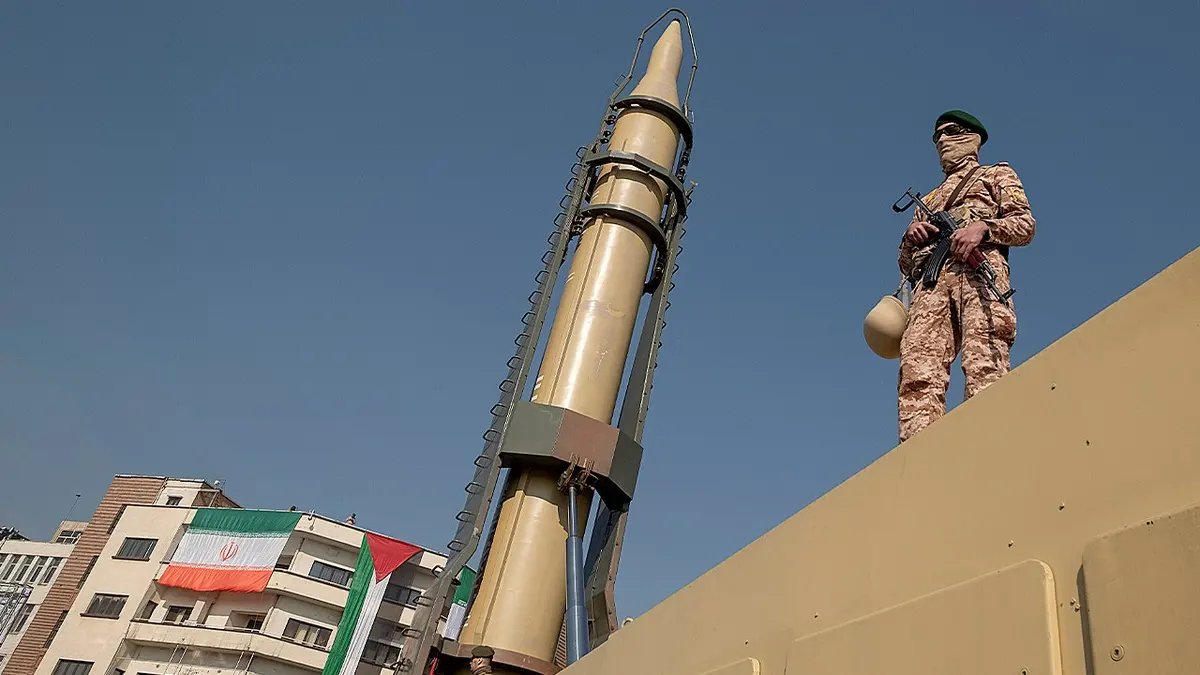
The United States resumed direct military strikes inside Iranian territory late Wednesday night, executing retaliatory operations after the Islamic Revolutionary Guard Corps launched a surprise ballistic missile attack directed at American forces deployed across the Middle East.
The sudden escalation ended a brief pause in military operations initiated by President Donald Trump on Friday. That pause, which interrupted a 13-night continuous bombardment campaign, was intended to test whether diplomatic avenues remained viable. However, the unexpected missile barrage launched from Iranian soil abruptly closed that window, prompting immediate operational orders for retaliatory actions.
According to updates released by U.S. Central Command, the IRGC launched multiple ballistic missiles at approximately 5:45 p.m. Eastern Time on Tuesday. Integrated regional air defense systems intercepted all incoming projectiles, preventing personnel casualties and structural damage at American installations.
Despite the successful intercepts, national security analysts emphasize that defensive tactical successes do not automatically re-establish strategic deterrence. Behnam Ben Taleblu, senior director of the Iran program at the Foundation for Defense of Democracies, observed that Tehran’s unannounced attack signals a significant evolution in its operational mindset, demonstrating an elevated tolerance for risk even as its broader military capabilities face severe pressure.
Ben Taleblu noted that Tehran has developed a strategic pattern of initiating strikes against U.S. assets, absorbing the inevitable American military response, and subsequently attempting to dictate the conclusion of each tactical round. He argued that treating un-impactful or intercepted missile strikes as benign ignores the underlying political challenge, warning that technological defense cannot substitute for a decisive political and military posture.
The renewed direct strikes come as regional friction expands along multiple strategic fronts. In Iraq, combined U.S. and Saudi forces conducted coordinated strikes against Iran-backed militia groups following drone attacks targeting Saudi energy infrastructure. The joint action marks the first time Riyadh has publicly acknowledged participating alongside Washington in direct offensive military operations during the nearly five-month conflict—a major shift in Gulf security dynamics.

At sea, Iranian forces have intensified threats against commercial shipping in the Strait of Hormuz, a maritime corridor through which roughly one-fifth of global petroleum supplies pass. Diplomatic efforts to stabilize the waterway hit an impasse after Tehran rejected an Omani proposal for multilateral regional management of shipping security, demanding instead unilateral authority over transit routes.
The latest exchange follows a lethal Iranian attack earlier in July targeting housing facilities at Muwaffaq Salti Air Base in Jordan, which killed two American service members and wounded several others.