Rising U.S.-Iran Tensions Heighten Risk for Foreign Detainees, Warns Freed Conservationist
Morad Tahbaz highlights how Tehran utilizes foreign prisoners as diplomatic leverage amid escalating geopolitical friction.

As military and political friction between Washington and Tehran escalates, foreign and dual nationals held in Iranian custody face heightened risks of becoming transactional leverage in international disputes. Freed Iranian-American conservationist Morad Tahbaz warns that mounting confrontations could make current detainees both more vulnerable to abuse and more valuable as bargaining chips for the Iranian government.
Tahbaz, who spent nearly six years detained in Iran before his release in September 2023, pointed out that Tehran has systematically deployed hostage-taking as a diplomatic tool since the 1979 revolution. Because Iranian law refuses to recognize dual citizenship, dual nationals are routinely funneled through security courts, sentenced on vague national security charges, and held as economic or political commodities.
A co-founder of the Persian Wildlife Heritage Foundation, Tahbaz was arrested alongside several colleagues in January 2018 while conducting field research to protect endangered species, including the Asiatic cheetah and Persian leopard. During interrogations, Iranian authorities levied bizarre claims against him, alleging that his team trained desert lizards to gather intelligence on military sites for Israel.
Following his arrest, Tahbaz was placed in Ward 2A of Tehran’s notorious Evin Prison—a high-security wing directly overseen by the intelligence apparatus of the Islamic Revolutionary Guard Corps (IRGC). He spent his first two years in this facility, enduring four months in complete solitary confinement inside a cell illuminated 24 hours a day. Outings were restricted to brief 10-minute breaks twice daily, requiring blindfolds whenever he moved through hallways.

The broader geopolitical climate directly shaped interrogation rooms inside Ward 2A. Tahbaz recalled that when the United States withdrew from the Joint Comprehensive Plan of Action (JCPOA) nuclear agreement in May 2018, interrogators frequently directed their hostility at him over Washington’s decision. After his conviction, he was moved into Evin’s general population, sharing quarters with a diverse group of prisoners ranging from former Iranian government officials to suspected Islamic State operatives.
Tahbaz was ultimately freed on September 18, 2023, alongside four other detained Americans in a Qatar-mediated transaction. The agreement involved the release of five Iranians imprisoned in the United States and the transfer of $6 billion in frozen Iranian assets into restricted accounts earmarked for humanitarian purchases.
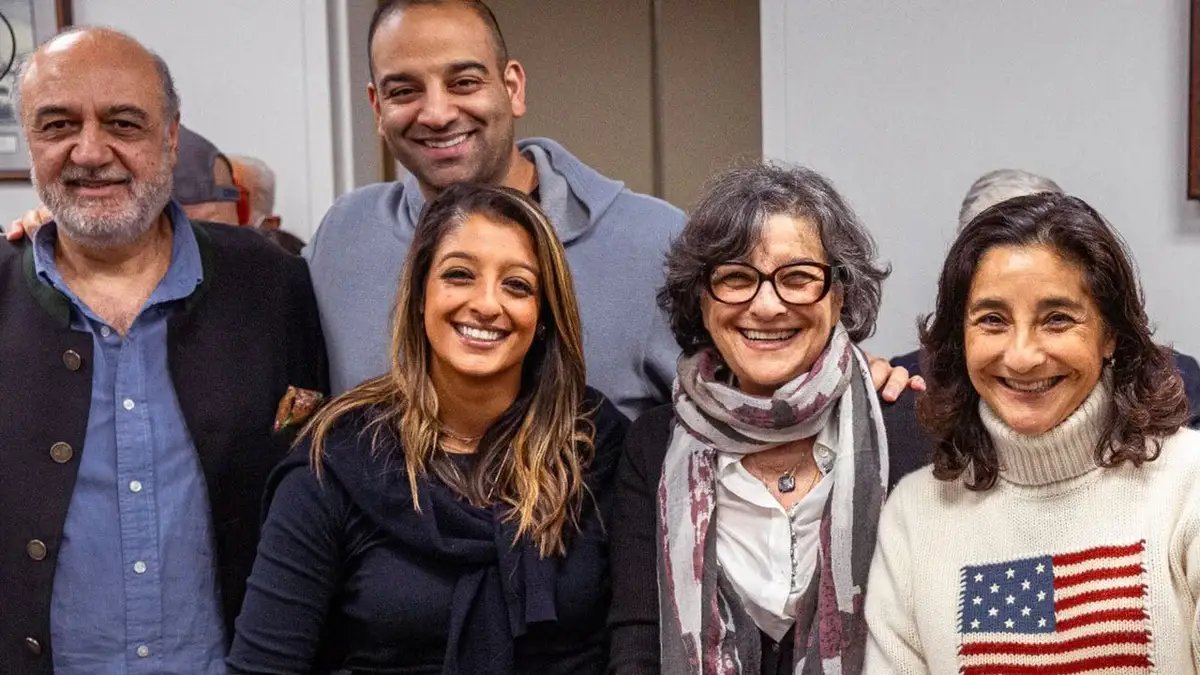
Despite such negotiations, Tahbaz argues that diplomatic trade-offs fail to establish effective deterrence. Without concrete penalties imposed by Western governments, Iran’s state security apparatus maintains a strong incentive to continue detaining foreign citizens.
The vulnerability of dual nationals was highlighted again in July with the case of Dena Karari, a 53-year-old Iranian-American resident of California. Karari had been prevented from leaving Iran since December 2024 due to passport confiscation and espionage allegations. Her exit ban was eventually lifted following interrogations, an event President Donald Trump characterized as a goodwill gesture.

According to a report by Reuters published in March, at least six American citizens or permanent residents remained imprisoned or barred from departing Iran. Among those cases are journalist Reza Valizadeh, sentenced to 10 years for alleged collaboration with a hostile power; businessman Kamran Hekmati, serving a two-year sentence tied to a visit to Israel over a decade ago; and U.S. permanent resident Shahab Dalili, serving a 10-year sentence after traveling to Iran for his father’s funeral. The U.S. State Department formally designated Hekmati, who suffers from bladder cancer, as wrongfully detained in March.
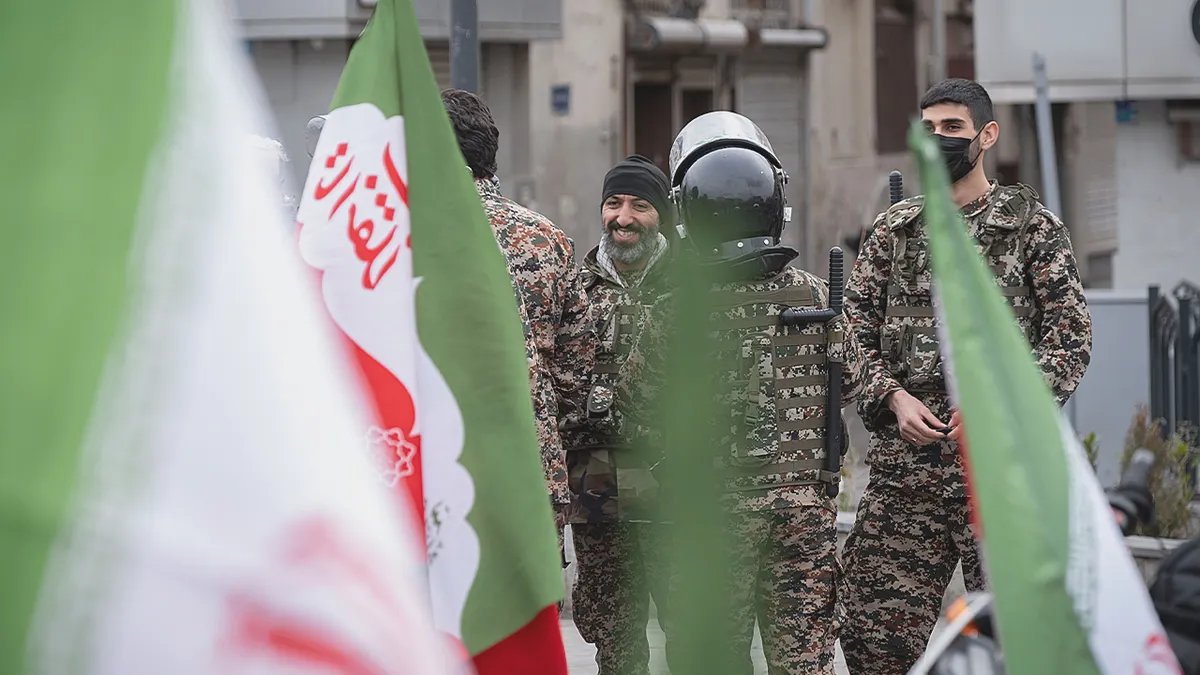
Beyond leverage in foreign policy, detention practices intersect with the economic interests of the Revolutionary Guard. Entities under IRGC control, such as the engineering and construction giant Khatam al-Anbiya, benefit from harsh international sanctions that push commercial activities into black and gray markets where IRGC affiliates maintain control over oil sales and financial transfers.
Tahbaz details his period of captivity and survival tactics in his forthcoming book, “Green Parrots: A Memoir of Survival in Iran’s Evin Prison,” set for release on September 29.