McLaren W1: A $2.1 Million Bet on Rear-Wheel Drive and Hydraulic Precision
A $2.1 million successor to the P1.
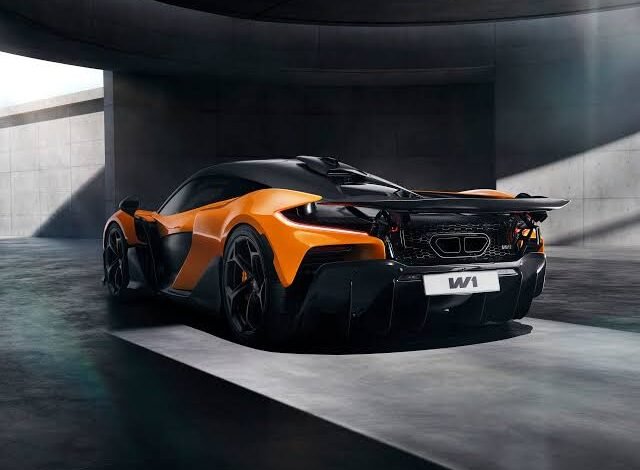
The McLaren W1 arrives as the definitive successor to the P1, wielding 1,258 horsepower and a defiant commitment to traditional driver engagement. In an era where hypercars increasingly rely on all-wheel drive and digital interfaces to manage extreme outputs, McLaren’s new flagship utilizes hydraulic steering and a rear-wheel drive layout to handle its massive 988 pound-feet of torque.
The vehicle’s performance is anchored by a twin-turbocharged 4.0-liter V8 paired with a radial flux electric motor. This combination allows the W1 to reach 2.0 seconds in the sprint to 60 mph, eventually hitting an electronically limited top speed of 217 miles per hour. Despite the heavy hybrid components, McLaren kept the dry weight to 3,084 lbs, significantly lighter than its primary rival, the Ferrari F80, which utilizes three electric motors and a smaller V6 engine.
The decision to retain hydraulic steering and brakes marks a significant departure from the industry-wide shift toward Electronic Power Steering (EPS) and brake-by-wire systems. While EPS is often favored for its contribution to fuel efficiency and packaging, as outlined by safety and efficiency standards from the National Highway Traffic Safety Administration, McLaren maintains that hydraulic systems remain superior for providing the transparent feedback required in a track-focused vehicle.
This philosophy extends to the Aerocell monocoque, where the seating surfaces are integrated directly into the carbon fiber structure. To accommodate the driver, the steering wheel and pedal box are adjustable, a design choice that eliminates the weight and complexity of traditional seat rails. During testing at the Mugello Circuit, the car’s aerodynamic systems generated 2,205 pounds of downforce, utilizing an active rear wing that can trigger a low-drag setting via a dedicated ‘Aero’ button.
Exclusivity remains a hallmark of the ‘1’ series. Only 399 units will be produced, and according to the manufacturer, every example was pre-ordered before the public debut. This follows the limited production lineage of the P1 and the original F1, ensuring the W1 remains a rare sight even among the world’s most elite automotive collections.