Screwworm Import Restrictions Block Texas Pet Transports, Triggering Shelter Overcrowding
44 States Restrict Animal Imports from Texas Amid Screwworm Parasite Outbreak
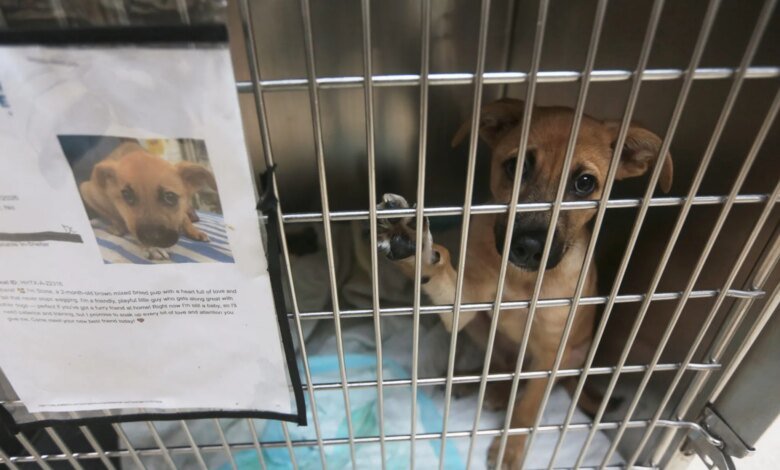
Adoptions and transport operations for thousands of shelter animals in Texas have ground to a halt following widespread state movement restrictions aimed at containing the New World screwworm, putting dogs and cats at heightened risk of euthanasia as facilities reach maximum capacity.
The flesh-eating parasite threatens the nation’s $113 billion beef industry, prompting federal officials to close the border to cattle movements. Because the screwworm also can infect pets, most states have restricted the movement of animals from infested areas of Texas, leading to crowded conditions in state shelters that rely on adoptions to other regions of the country.
According to the U.S. Department of Agriculture Animal and Plant Health Inspection Service, the New World screwworm fly, Cochliomyia hominivorax, lays eggs near open wounds or mucous membranes of warm-blooded animals, where hatching larvae feed on living tissue. To prevent the parasite from spreading beyond active containment zones in Texas and New Mexico, state agricultural agencies nationwide enacted emergency import rules requiring mandatory veterinary screenings and health certificates valid for as little as 72 hours prior to interstate shipment.
The screwworm can lay eggs that hatch into flesh-eating larvae in the wounds or mucous of any mammal, and of the dozens of infections in southern Texas and southeastern New Mexico, several have been in dogs. Forty-four states have restricted the movements of pets from infested areas, creating a hardship for shelters from Texas that typically send thousands of animals to other states each year.
“It’s thrown a wrench into things, for small rescues as well as the bigger shelters,” said Mia Bendixsen, executive director of the Texas Humane Legislation Network, which promotes animal welfare laws.
In Corpus Christi, the Gulf Coast Humane Society couldn’t get rescued dogs into New York state for weeks, causing the shelter’s animal population to climb from around 325 to nearly 450. The shelter, which sends about 500 dogs a year outside Texas, created more space in outdoor exercise areas until New York again allowed dogs from Texas — if a veterinarian first certified that each one wasn’t infected with the screwworm. Shelter executive director Lorilee Mills noted that when destination facilities close their doors, municipal shelters unable to offload excess animals are forced to increase euthanasia rates.
In Houston, Humane Society shelter Director Aaron Grady reported that the transport halt has caused acute behavioral stress among kenneled pets. The Houston facility has worked to maintain its indoor population near 200 animals by placing up to 300 additional dogs and cats into a local network of foster homes while helping pet owners retain their animals longer to prevent intake surges.
State import policies have varied widely since the outbreak began. Florida banned imports of rescued dogs and cats from Texas and New Mexico one week after the first reported domestic case. Other states shortened the valid window for veterinary inspection certificates from the standard 30 days down to three days, forcing rescues to absorb repeated examination costs for delayed shipments.
The transport blockade cuts off Texas shelters from vital national adoption corridors. In 2025, Texas transferred nearly 89,000 unadopted dogs and nearly 53,000 cats out of state shelters — leading the nation in canine and feline out-of-state relocations — while euthanizing approximately 45,000 dogs and 29,000 cats, according to American Society to Prevent Cruelty to Animals shelter tracking data.
Federal containment strategies center on aggressive biological control efforts. USDA officials are constructing a $750 million sterile fly production facility in southern Texas scheduled to open in April 2027 to release billions of sterile male flies, expanding existing dispersion programs that utilize sterile flies bred in Panama to suppress regional fly populations.