FDA Clears Autonomous Blood-Drawing Robot Designed to Replace Human Needle Handlers
Automated system uses ultrasound and infrared imaging to execute venipuncture procedures under human supervision
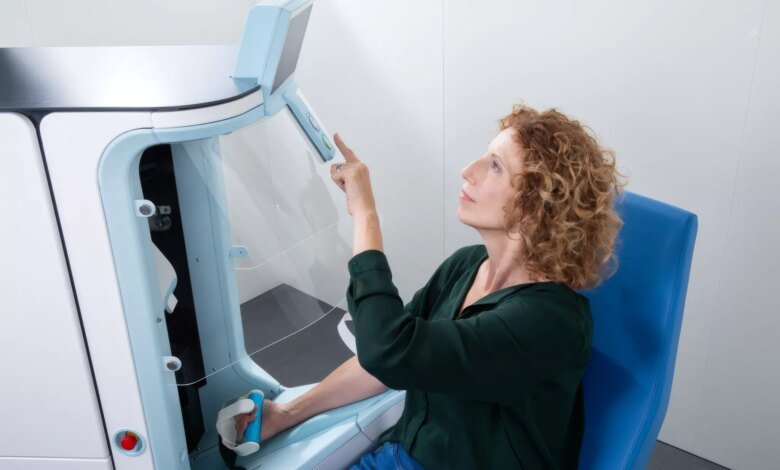
Federal regulators have cleared an autonomous robotic system to perform fully automated blood draws on adult patients without hands-on human intervention during needle insertion.
The machine, named Aletta, opens the encounter by providing operational instructions to position the adult patient’s arm correctly. Once aligned, either the patient or an attending supervisor presses an activation button to initiate the procedure.
Aletta utilizes near-infrared light coupled with Doppler ultrasound to locate a suitable arm vein while distinguishing it from adjacent arterial vessels. If the system fails to detect an acceptable vein, it immediately cancels the automated process.
After identifying a targeted vein, the automated platform applies a tourniquet, sanitizes the injection area, inserts the needle, safely discards the sharp, and applies an adhesive bandage. A monitoring phlebotomist then confirms that blood collection tubes are drawn in the required order and verifies proper fill volumes post-procedure.
Addressing potential patient concerns regarding automated needle handling, the FDA mandate dictates that a certified phlebotomist must initiate and actively oversee every robotic draw.
While human medical staff remain necessary, regulatory filings highlight that a single phlebotomist can manage up to three Aletta units simultaneously, offering a technological solution to regional phlebotomist shortages across U.S. clinical facilities.
National workforce surveys indicate that clinical laboratories in the United States face average vacancy rates between 7% and 11% for diagnostic personnel, a systemic bottleneck that frequently causes operational delays in routine outpatient testing and routine care.
“This authorization reflects the FDA’s commitment to advancing innovative medical devices that help meet a critical public health need while maintaining the safety and effectiveness patients deserve,” said Michelle Tarver, M.D., Ph.D., Director of the FDA’s Center for Devices and Radiological Health. “Blood draws are one of the most commonly performed medical procedures in the United States, yet patients may face delays due to a growing shortage of trained phlebotomists.”
Recognizing widespread patient apprehension toward automated venipuncture, federal regulators noted that Aletta incorporates redundant safety protocols. If an individual moves excessively during insertion, internal motion detectors trigger an immediate needle detachment and halt the collection process.
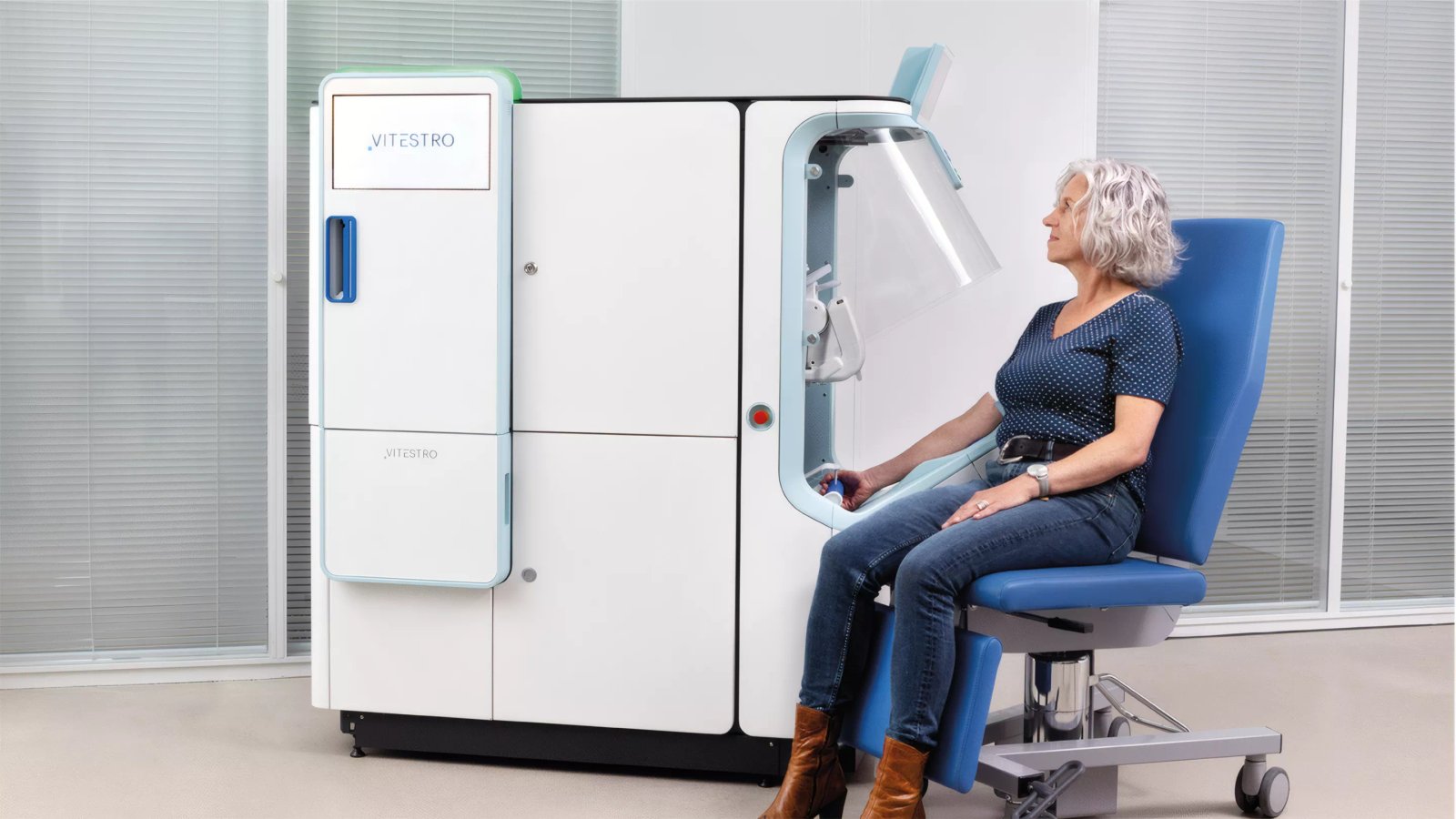
Integrated secondary sensors continuously monitor operational parameters, automatically pausing mechanical routines and notifying the supervisor if abnormal physical conditions are registered.
Data submitted during clinical evaluations demonstrated that Aletta achieved successful venipuncture at rates equal to or exceeding those achieved by experienced human phlebotomists during test draws.
Clearance by federal regulators relies on these documented clinical success rates and integrated physical safeguards, establishing strict operating requirements that mandate constant supervisory oversight whenever the system evaluates patient veins.