California Wealth Tax Trap Catches Departing Billionaires as LeBron James Exits
Proposition 40's hard residency snapshot means leaving California mid-year offers no shield from a proposed 5% wealth tax.
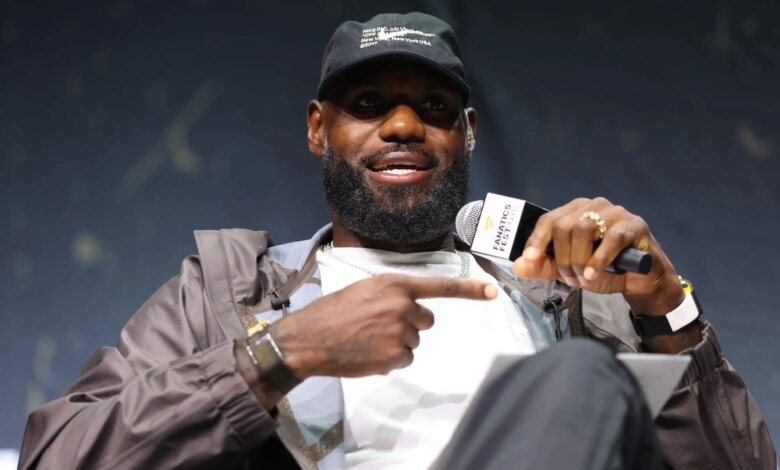
When NBA superstar LeBron James completes his anticipated relocation to Philadelphia this summer, he will step directly into the center of a high-stakes legislative battle over California’s fiscal future. A key provision in Proposition 40, a proposed 5% wealth tax targeting the state’s estimated 200 billionaires on the November 2026 ballot, ensures that leaving California mid-year offers no immediate relief from its reach.
The proposed ballot initiative relies on a rigid residency trigger: any individual residing in California on January 1, 2026, remains subject to the levy, regardless of whether they move later in the year. Under the draft guidelines, net worth would be calculated on December 31, 2026. Because James maintained California residency at the start of the year, his planned summer departure will not retroactively erase his tax liability should voters approve the measure.
The snapshot mechanism has already sparked intense legal friction. Representative Kevin Kiley introduced federal legislation seeking to block the state measure, targeting its attempt to assess levies on former residents. Meanwhile, legal experts point to potential constitutional hurdles under the Dormant Commerce Clause, predicting prolonged court battles over whether states can exert such extraterritorial tax authority. For detailed analyses on state-level tax policies and constitutional limits, organizations like the Tax Foundation routinely track how state levies intersect with interstate commerce regulations.
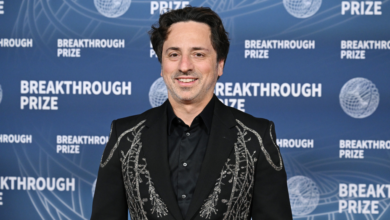
James’s situation reflects a broader split among California’s wealthiest residents facing the prospective levy. Ahead of the January 1 benchmark, at least six of the state’s 214 billionaires shifted their primary domiciles elsewhere, including Google co-founders Larry Page and Sergey Brin, along with venture capitalist Peter Thiel. Other high-profile figures—including Jeff Bezos, Citadel founder Ken Griffin, and Oracle co-founder Larry Ellison—have redirected capital and personal residency to Florida, fueling aggressive competition in the South Florida luxury real estate market.
Yet relocation is only one facet of the reaction across the state’s financial elite. A parallel group of billionaires is choosing to fund opposition rather than abandon their California roots. State political disclosures show California’s top 15 billionaires have committed over $336 million toward federal and state political contests for the 2026 cycle. The vast majority of those funds—roughly $331 million—came from just four donors: Sergey Brin, Marc Andreessen, Ben Horowitz, and Chris Larsen.
Organizers backing the initiative have aggressively pushed back against claims of a corporate and personal exodus. The sponsoring labor union, SEIU-UHW, characterized warnings of a mass flight as exaggerated, pointing out that only a small fraction of the state’s billionaire population has formally departed. Broader economic metrics also reveal continued institutional investment in the state: California secured roughly $335 billion in venture capital funding this year, roughly tenfold more than any other state, with nearly 90% flowing directly into Artificial Intelligence enterprises.
For his part, James has publicly brushed off discussion regarding his financial positioning, previously quipping in an online video that search engine estimates regarding his net worth were inaccurate. Reporting from NBA insider Shams Charania similarly indicates that athletic and career considerations—rather than tax strategies—are the main drivers behind his free-agency decisions, even as the upcoming ballot vote keeps his financial footprint tied to California’s political debate.