Bank of England Holds Interest Rate at 3.75% Amid Middle East Energy Shock and Hawkish Dissent
A 6-3 vote keeps borrowing costs on hold as June inflation moderates to 2.6%, though rising oil prices fuel debate over monetary policy.
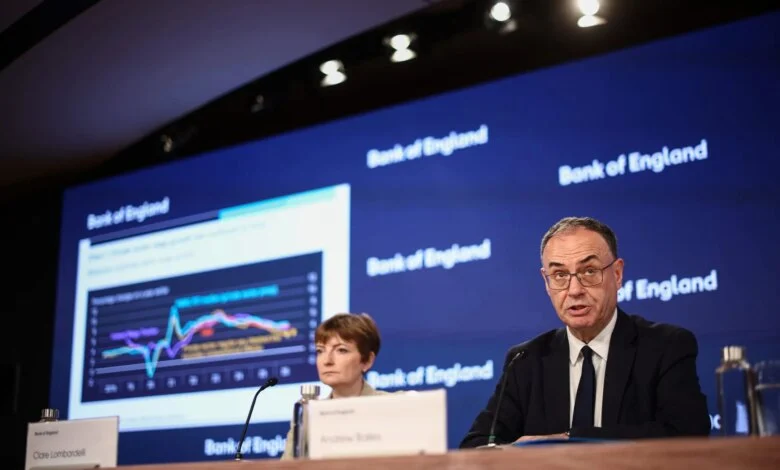
The Bank of England maintained its benchmark interest rate at 3.75% on Thursday, marking the fifth consecutive meeting in which policymakers elected to pause monetary easing despite persistent global economic volatility.
The decision by the nine-member Monetary Policy Committee (MPC) revealed deepening divisions over how to navigate an unsettled economic landscape. A 6-3 majority voted to keep borrowing costs steady, following four rate cuts enacted throughout 2025. However, three dissenting members favored an immediate 25-basis-point increase to 4.0%, citing fears that escalating conflict in the Middle East could reignite domestic price pressures.
Crucial to the central bank’s pause was fresh data from the Office for National Statistics showing U.K. consumer price inflation eased to 2.6% in June, down from 2.8% in May. Although the drop was sharper than financial markets had anticipated, consumer price inflation has now remained above the Bank of England’s official 2.0% target for 21 consecutive months.
Central bank benchmark rates dictate borrowing costs for commercial lenders, directly influencing consumer credit, mortgage products, and corporate financing. By keeping rates elevated, monetary authorities aim to temper demand and anchor inflation expectations, whereas rate reductions are designed to stimulate economic growth.
The committee’s majority noted that while recent inflation figures offered temporary relief, the broader economic outlook is clouded by renewed military action involving the United States and Iran. Disruptions along key maritime routes in the Strait of Hormuz—a vital trade artery through which approximately 20% of global crude oil and liquefied natural gas flows—helped drive Brent crude prices above $100 per barrel on July 23, up from under $71 earlier in the month, before settling near $92 on Thursday.
In its post-meeting assessment, the MPC emphasized that the ultimate trajectory of monetary policy will depend on the scale, duration, and transmission of this energy shock through the wider economy. Dissenting policymaker Huw Pill cautioned against complacency regarding second-round dynamics, warning that delayed catch-up effects in wage demands and price setting could create long-term inflation persistence.
The Bank of England’s cautious posture mirrors broader international trends. On Wednesday, the U.S. Federal Reserve opted to hold its target federal funds rate between 3.5% and 3.75%, with Fed Chairman Kevin Warsh signaling a readiness to adjust policy if price stability is threatened.
Domestically, monetary officials are also evaluating the fiscal trajectory under Prime Minister Andy Burnham. Market analysts and economists are scrutinizing the administration’s planned tax and spending measures to assess whether efforts to buffer households against rising living costs might inadvertently complicate the central bank’s fight against inflation.