Global Shipping Coalitions Protest Impending Iran-Oman Agreement to Toll Strait of Hormuz
Eight major maritime lobby groups warn proposed transit fees through the vital oil chokepoint will inflate costs for European and Asian buyers.
Iran and Oman are in the final stages of bilateral negotiations to reopen the Strait of Hormuz under a framework that includes charging transit fees on maritime vessels, triggering immediate pushback from global shipping organizations representing international trade fleets.
The agreement, confirmed by Iranian officials, would establish a regulated commercial shipping corridor through the strategic waterway, which typically handles approximately one-fifth of global oil consumption. Iran’s foreign ministry spokesperson Esmaeil Baqaei confirmed that details of the agreement are nearly finalized.
“The geographic coordinates of the route envisioned by both sides have been agreed upon,” Baqaei said. “If certain third parties do not obstruct the process, a joint statement by the two countries, containing the principal considerations and points of agreement, is currently in the final stages of review and drafting.”
A coalition of eight major maritime trade groups issued a joint protest, warning that tolls imposed on vessels navigating the chokepoint would directly inflate costs for Asian and European buyers. The groups oppose the potential precedent of charging commercial fees for navigation through international straits.
The protest letter was signed by the Asian Shipowners Association, the Baltic and International Maritime Council, the Cruise Lines International Association, the European Shipowners Association, the International Chamber of Shipping, the International Association of Dry Cargo Shipowners, the International Association of Independent Tanker Owners, and the World Shipping Council.
The proposed framework conditions the reopening on non-interference by external entities, a clause widely seen as requiring the U.S. to abstain from military or regulatory intervention. Neither the White House nor Oman’s government has issued an official statement regarding the proposal.
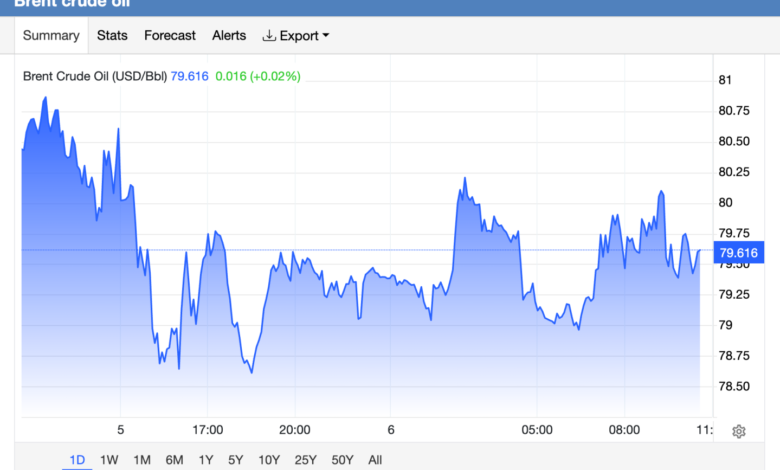
Oil markets showed muted immediate reaction, with Brent crude trading at $79 per barrel. Extended conflict in the region has already influenced fuel markets and automotive demand, with hybrid electric vehicles rising to 17.4% of U.S. car sales in May, up from 13.9% prior to the escalation, according to data from Oxford Economics.