Lenovo Yoga Slim 7i Ultra Brings Intel x86 Power to Tablet-Light Chassis
Lenovo pairs Intel Core Ultra performance with a 2.8K POLED panel in an ultra-light chassis.
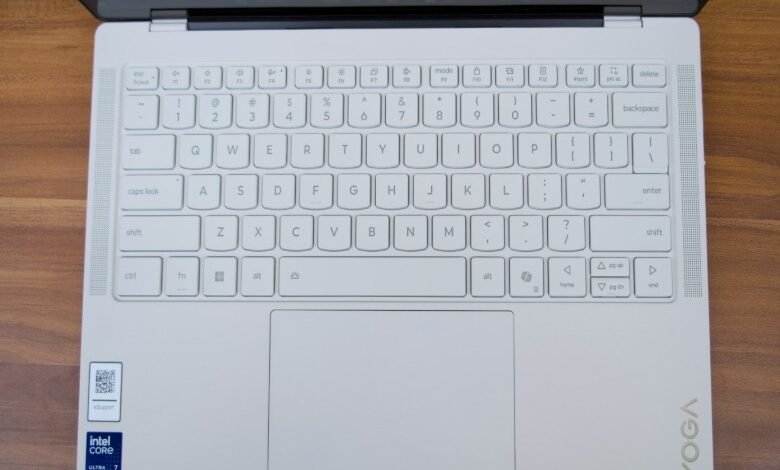
Lenovo is challenging the ultraportable laptop market with its Yoga Slim 7i Ultra Aura Edition, delivering an ultra-light 14-inch magnesium alloy notebook powered by Intel’s x86 architecture rather than ARM processors. Equipped with an eight-core Intel Core Ultra 7 355 chip, the device achieves a lightweight feel comparable to an Apple iPad Pro while retaining native Windows app execution and full PC gaming capabilities.
By opting for x86 silicon, Lenovo avoids the emulation performance penalties and game compatibility issues that affect competing ARM-based thin-and-light systems, such as the Snapdragon-powered ASUS ZenBook A14. The Yoga Slim 7i Ultra represents part of Lenovo’s broader Aura Edition engineering initiative with Intel, focusing on maximizing power efficiency without compromising legacy software execution.
The laptop features a 14-inch 2.8K POLED display—a specialized OLED variant tailored for low-power, thin chassis designs. The screen outputs up to 500 nits of SDR brightness and reaches 1,100 nits in HDR mode, while offering 100 percent coverage of both sRGB and DCI-P3 color gamuts for precise image and video workflows.
Encased in a warm, smooth magnesium alloy body designed to prevent chassis flex under load, the laptop features a top display notch. This raised lip houses a 5-megapixel webcam alongside facial recognition hardware for Windows Hello authentication, while acting as a physical tab for opening the lid.
For input, Lenovo includes a spacious, wide-format keyboard engineered with deep key travel to withstand aggressive typing force. The keyboard is paired with a large haptic touchpad designed for reliable multi-touch gesture navigation.
Port selection on the Yoga Slim 7i Ultra is limited to three Thunderbolt 4 USB-C ports, positioned with two on the left side and one on the right. Lenovo has eliminated all legacy ports from the system, omitting USB Type-A, HDMI, and the standard 3.5mm analog headphone jack. Instead, the side edge incorporates a physical hardware switch to electronically disable the webcam.