Shipping Turmoil Drives Record £65 Million Profit for World’s Largest Broker Clarkson
Global trade dislocations and Strait of Hormuz bottlenecks send shipbroker earnings soaring.
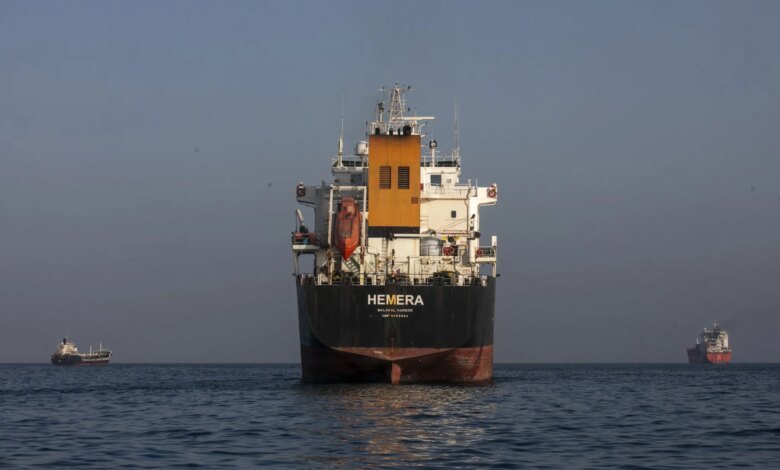
London-based Clarkson, the world’s largest shipbroker, delivered a record first-half operating profit of £64.8 million ($87 million)—a more than 55% jump from the previous year—as escalating geopolitical conflicts severely disrupted major global shipping routes.
The UK-based company, founded in 1852, reported a nearly 40% rise in revenue to £413.5 million ($555.5 million) for the six months ending June 30. The surge in profitability comes as severe transit bottlenecks force cargo owners and vessel operators to seek specialized broker intermediation to navigate global supply chain dislocations.
Crucial maritime passages have experienced drastic traffic declines following months of war involving Iran. Tanker and cargo transits through the Strait of Hormuz—a narrow chokepoint that normally handles about 20% of global liquid petroleum supplies—have plunged from more than 100 ships per day to roughly 33, according to tracking data from Kpler. In the initial two months of the conflict, sea freight routed near the strait saw costs nearly quadruple, driven by steep war-risk insurance premiums, according to data from the International Rescue Committee.
Shipbrokers serve as third-party intermediaries linking cargo holders, such as retailers and industrial firms, with ship owners like container giant Maersk. Because brokerage commissions are assessed as a percentage of overall freight transaction values, skyrocketing freight rates directly boost broker earnings.
“When you have geopolitical instability, of course, it disrupts the market,” said Jean-Paul Rodrigue, a professor of maritime business administration at Texas A&M University at Galveston. “It creates uncertainty… Uncertainty therefore, actually increases the importance of such firms because people are getting a bit more desperate.”
Rodrigue explained that the broker’s record earnings stem from supply and demand dynamics, noting that as shipping costs rise, brokerage commission shares increase accordingly in what becomes a zero-sum game across the logistics market.
“Clarksons delivered a record first half performance, reflecting both the investment into our underlying business and the exceptional volatility caused by the disruption to global trade from global conflict including the situation in the Strait of Hormuz,” Chief Executive Officer Andi Case said in an official statement. Case noted that the group expects full-year performance to be “materially ahead of market expectations” following widespread rate increases and heightened hedging activity.
The wider maritime network is under pressure from multiple active conflict zones. Yemen’s Houthi movement has blockaded Saudi Arabian maritime traffic near the Bab el-Mandeb Strait, while Ukrainian drone attacks on Russian Black Sea ports have repeatedly disrupted key grain export corridors. These combined bottlenecks have tightened global vessel capacity, raising jet fuel costs for aviation and creating shortages of key raw chemicals used in agricultural fertilizers.
The financial windfall marks a stark reversal from March 2025, when Clarkson warned that prospective trade tariffs under the Trump administration and ongoing Eastern European hostilities would weigh on revenues. Instead, the Middle East crisis triggered panic bookings and operational re-routing, driving record transaction values.
Despite signals from U.S. President Donald Trump regarding the potential resumption of peace talks after canceling a renewed offensive against Iran, regional conflict continues to expand across the Gulf, prolonging operational friction for international trade.