Tommy Bahama CEO Details Strategy Shift Away From Hawaiian Shirts as Bottoms Hit 30% of Sales
CEO Doug Wood reveals how performance wear, denim sales, and regional stocking trends are reshaping the iconic resort brand.
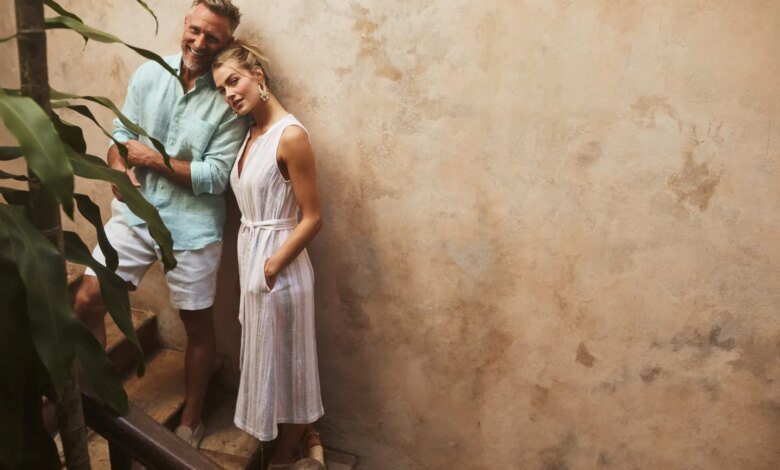
Tommy Bahama has shifted its core retail strategy away from its iconic Hawaiian floral prints, with denim and bottoms now accounting for 30 percent of overall business as the brand adapts to changing regional consumer tastes and performance fabric demand.
Doug Wood, who has spent 25 years building the resortwear brand, confirmed that while loud floral silk shirts established the company’s pop culture identity, they no longer represent the bulk of sales. Denim has emerged as the brand’s third-best selling men’s item, reflecting a broader structural evolution within the brand’s product catalog.
The shift comes as parent company Oxford Industries continues to navigate evolving regional consumer behavior across the United States. Wood noted that stark geographic divides require precise retail inventory management, pointing out that East Coast markets are currently driven by a preppy aesthetic spearheaded by Ralph Lauren, while West Coast and Southeast locations demand vastly different color palettes and style combinations.
Getting regional distribution wrong creates immediate operational missteps in brick-and-mortar stores. According to Wood, stocking Florida-tailored inventory in California locations disrupts store performance, as specific regional brands and color pairings popular in the Southeast fail to translate to West Coast shoppers.
Despite the functional pivot toward performance sportswear and bottoms, Tommy Bahama continues to benefit from widespread cultural visibility. The brand’s signature floral shirt has been famously referenced in major media productions ranging from The Simpsons Movie and It’s Always Sunny in Philadelphia to Forgetting Sarah Marshall, where Russell Brand’s character Aldous Snow praised the label. Wood treats these media callouts as valuable brand exposure, noting that public awareness of the classic shirt style remains high regardless of current sales proportions.
The evolution of the brand also reflects broader changes in modern apparel standards, particularly on golf courses and in casual dining environments where traditional dress codes have given way to Wall Street-style quarter-zips, vests, and technical moisture-wicking fabrics. Tommy Bahama’s men’s line has adapted by integrating performance characteristics such as breathability and moisture control into garments previously designed primarily for poolside leisure.
While expanding into activewear and modern silhouettes, Wood emphasized that the company maintains its original floral silk shirt line for core brand loyalists, preserving the island lifestyle heritage that established the business.