Understanding Moral Injury: How Ancient Myths and Modern Psychology Detail Combat Trauma Beyond PTSD
Psychologists and researchers distinguish between fear-based PTSD and moral injury, drawing parallels from Greek mythology to modern veteran care.
Modern psychological research increasingly distinguishes between fear-induced trauma and the deep ethical wounds caused by combat actions, a phenomenon known as moral injury. While Post-Traumatic Stress Disorder (PTSD) was formally recognized in 1980, clinicians note that standard diagnostic criteria often fail to capture the profound guilt, existential loss, and social alienation experienced by veterans who feel they violated their own core beliefs during war.
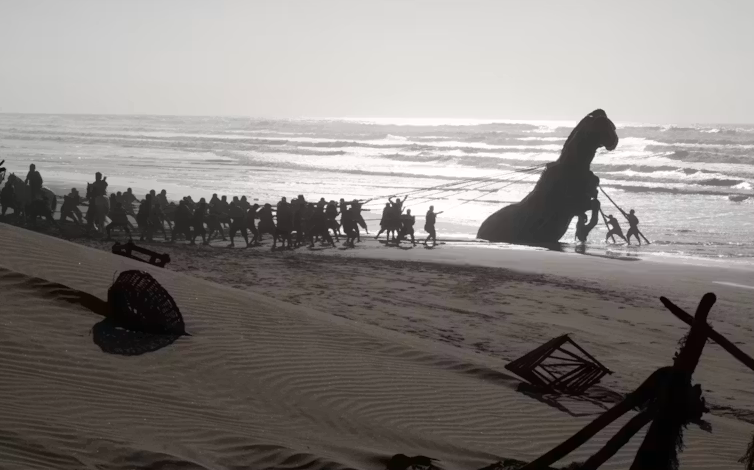
This psychological struggle is reflected in classical literature and cinematic portrayals, including director Christopher Nolan‘s depiction of the Greek hero Odysseus, played by Matt Damon. While Homer’s ancient texts have long provided early documentations of physical and psychological wounds, recent artistic and psychological analyses focus specifically on Odysseus’s internal collapse following the fall of Troy.
According to The Moral Injury Project at Syracuse University, moral injury is defined as the damage sustained to one’s conscience or moral compass when a person perpetrates, witnesses, or fails to prevent acts that transgress personal ethical codes. While PTSD is primarily a fear-based anxiety disorder characterized by hypervigilance, flashbacks, and trauma avoidance, moral injury centers on severe guilt, shame, and self-condemnation.
The theoretical framework surrounding moral injury evolved through landmark studies of military personnel. Psychiatrist Jonathan Shay, author of works examining Vietnam War veterans, initially highlighted how institutional betrayals and unjust orders from military leadership undermine a soldier’s moral compass. Building on this, psychologist Brett Litz emphasized perpetration-based moral injury, which stems directly from an individual’s own actions or perceived transgressions in combat.
A similar psychological pattern appears in the 1989 film adaptation of Ron Kovic’s autobiography, Born on the Fourth of July, where Tom Cruise portrays a veteran haunted by civilian casualties and friendly fire incidents. In classical mythology, Odysseus encounters a similar crisis after engineering the Trojan Horse. Though successful militarily, the ruse required breaking the sacred Greek law of xenia—the divine obligation of hospitality—and resorting to lethal deception, resulting in self-imposed alienation and lingering psychological distress.

Clinicians specializing in veteran care observe that individuals coping with moral injury frequently struggle with feelings of being unlovable or permanently broken. Veterans often repeatedly evaluate their combat choices, concluding that acts of commission or omission during battle altered their moral identity.
To address these challenges, clinical researchers supported by institutions like the National Center for PTSD have developed targeted therapeutic tools. Psychologist Shira Maguen designed the Impact of Killing treatment protocol, which specifically addresses the moral and emotional fallout of taking a life in battle. Initial findings indicate that veterans completing this specialized intervention alongside standard trauma therapy experience meaningful gains in community engagement and interpersonal trust.