xAI Sues Minnesota to Block First-in-Nation AI Nudification Law Ahead of Effective Date
Elon Musk's AI firm asks a federal court to halt HF 1606 over First Amendment concerns and strict liability fines.
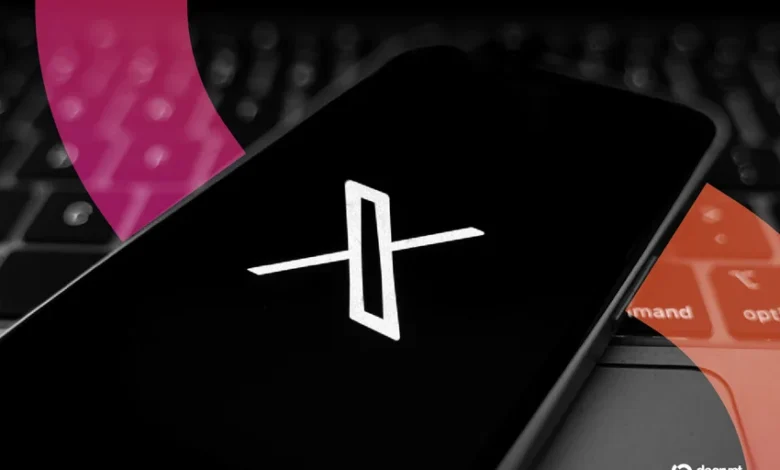
Elon Musk’s artificial intelligence firm, xAI, has filed a First Amendment lawsuit in federal court against Minnesota Attorney General Keith Ellison, attempting to block the implementation of HF 1606 just days before the legislation takes effect on Saturday, August 1.
The statute represents the first law in the United States specifically targeting AI “nudification”—tools capable of digitally altering or stripping clothing from photographs of real people. Under HF 1606, platforms face strict civil liability with penalties reaching up to $500,000 per generated image, regardless of whether the developer knew of the violation or attempted to prevent it.
In its complaint submitted to the U.S. District Court for the District of Minnesota, xAI clarified that it does not oppose state measures prohibiting nonconsensual explicit deepfakes. However, the company contends that Minnesota’s framework imposes an unconstitutional, content-based restriction on free expression by creating liability even when images are generated with consent, created by the subjects themselves, or never shared publicly.
A central point of contention in the suit is the bill’s definition of “intimate part,” which borrows language from Minnesota criminal sexual contact statutes designed for unwanted physical contact. Because that definition encompasses the inner thigh, buttocks, or breast, xAI argues the law could expose platforms to massive fines over benign or satirical imagery, such as depicting a shirtless politician or a public figure at the beach.
Minnesota lawmakers crafted the legislation following a local case where a man used social media photos to generate nonconsensual sexualized images of more than 80 women he knew. The state Legislature overwhelmingly approved HF 1606, passing 132-1 in the House and 65-0 in the Senate. Senate sponsor Erin Maye Quade noted that including consensual imagery within the law’s scope was deliberate.
The legal challenge comes amid broader regulatory scrutiny surrounding xAI’s image generation tools. Since launching visual capabilities for its Grok assistant in late July 2025, the platform faced investigations across Europe, Australia, and multiple American states following controversial deepfake outputs. The company has also faced lawsuits from the city of Baltimore and three minors in Tennessee, and previously launched a First Amendment challenge against Colorado’s AI regulations in April.
While xAI reported taking proactive measures in 2026—suspending over 50,000 accounts and submitting more than 70,000 reports to NCMEC (the National Center for Missing & Exploited Children), which led to at least 244 arrests—HF 1606 offers no safe-harbor protection or defense based on good-faith content moderation.
By contrast, federal legislation such as the TAKE IT DOWN Act, signed into law by President Donald Trump in May 2025, penalizes nonconsensual intimate deepfakes only upon proof of nonconsent and actual distribution, while providing narrow definitions and explicit exceptions for educational or medical context.
Defending the state law, Attorney General Keith Ellison emphasized the severe impact of unconsented digital nudity, stating that AI nudification strips individuals of their dignity and inflicts severe emotional, personal, and professional damage.