Samsung Galaxy Z Fold 8 Redesign: Passport Form Factor and 4:3 Main Display
A wider profile, 3,000-nit display, and flat hinge reframe Samsung's standard foldable flagship.
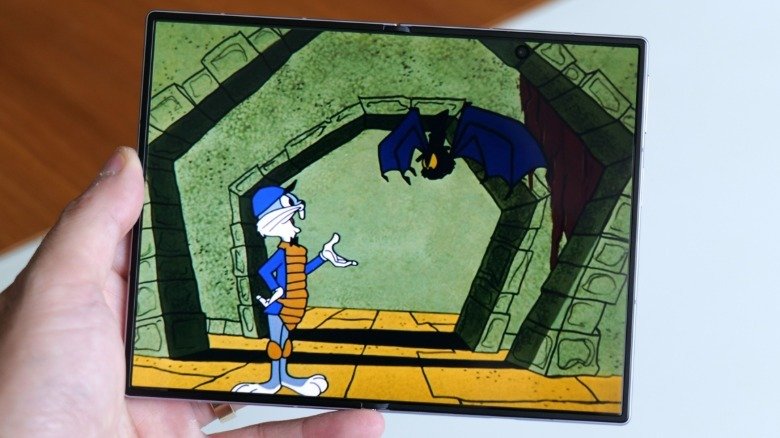
Samsung has overhauled the structural footprint of its standard foldable lineup with the Galaxy Z Fold 8, adopting a shorter and wider profile designed to address longstanding complaints regarding cover screen usability. The strategic pivot departs from the tall, narrow aspect ratios that characterized earlier generations of the Z Fold series, aligning the new base model closer to wider passport-style form factors.
The re-engineered exterior features a 5.5-inch AMOLED cover display sporting a 10:16 aspect ratio. This wider stance provides expanded horizontal real estate for typing, map navigation, and messaging, reducing the necessity to open the device for routine tasks. The dimensional shift reflects a broader industry movement within the foldable smartphone segment—previously seen in devices like the original Google Pixel Fold—moving away from skinny outer screens toward formats that better mimic conventional single-screen mobile devices when closed.
Unfolding the handset reveals a 7.6-inch main AMOLED screen with a 4:3 aspect ratio. The change in interior geometry reduces black letterboxing during widescreen video playback and provides a slight increase in total viewable area for 16:9 content compared to taller predecessor models. The 4:3 layout proves particularly tailored for retro media, broadcast television content, and landscape mobile gaming, provided applications support dynamic resolution scaling. However, software optimization presents minor layout inconsistencies; switching the unfolded inner display into portrait orientation rearranges home screen application icon grids due to mismatched column configurations between landscape and portrait modes.
The baseline model operates alongside the higher-tier Z Fold 8 Ultra, which retains a larger 8-inch panel engineered for intensive side-by-side application multitasking. While the Ultra’s expanded vertical workspace offers distinct advantages for heavy split-screen workflows and extended document scrolling, the standard Galaxy Z Fold 8 prioritizes ergonomic media consumption and daily pocketability.
Both the standard Z Fold 8 and Ultra models feature matching display brightness capabilities, reaching a peak output of 3,000 nits. A newly integrated anti-glare screen coating mitigates ambient reflections without degrading color saturation or visual clarity. Samsung has also further reduced the visibility of the internal display crease while redesigning the hinge assembly to allow the frame to open to a full 180-degree flat position, eliminating the slight 179-degree angle stop that affected previous generations like the Galaxy Z Fold 7.
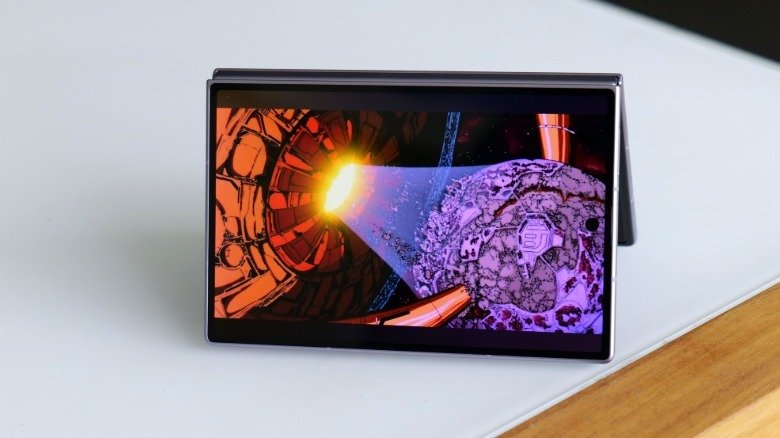
The modified hinge mechanism alters hands-free orientation options. Because the friction hinge no longer holds a rigid 90-degree angle for traditional tabletop mode, users must position the phone upside down in a tent configuration—similar to convertible 2-in-1 laptops—for stationary viewing.
Structural durability relies on internal titanium layers engineered to reinforce the flexible display substrate, paired with an Armor aluminum chassis and protective Corning Gorilla Glass Victus 2 and Victus 3 panels. Biometric authentication is handled by a capacitive fingerprint sensor built into the side power key. According to official hardware specifications from Samsung, the Z Fold 8 carries an IP48 rating for dust and water resistance, offering certified ingress protection against solid foreign objects greater than 1mm along with water exposure. Folded, the device measures 9.7mm in thickness, compared to the Ultra model’s 8.9mm profile.