Why Smartphone IP68 Ratings Do Not Guarantee Waterproof Protection Against Liquid Damage
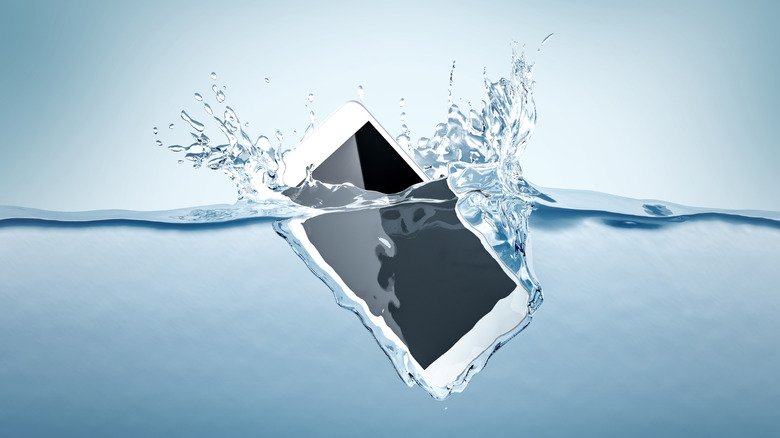
Consumers taking their premium smartphones into swimming pools or ocean waves risk catastrophic device failure, despite marketing claims highlighting high Ingress Protection (IP) ratings. Industry standards for water resistance often fail to translate to real-world environments, leaving users with ruined hardware and unhonored warranties.
The standard rating framework, established by the International Electrotechnical Commission (IEC), assigns a two-digit code to measure physical resilience. The first digit evaluates protection against solids like dust on a scale up to six, while the second measures liquid resistance up to nine. An “X” in place of either digit indicates that formal testing for that specific hazard was not conducted. While lower liquid tiers specify standardized thresholds—such as IPX7 requiring resistance to one meter of fresh water for up to 30 minutes—the top submersion tier, IPX8, leaves actual parameters to individual manufacturers. Consequently, an IP68 device might be certified for depths ranging anywhere from two meters on older smartphones to six meters on recent flagship iPhones, creating confusion for buyers expecting uniform protection.
This variance is further compounded by the controlled laboratory conditions under which IP testing occurs. Facilities submerge factory-new handsets into stagnant, room-temperature fresh water. In practical everyday scenarios, however, devices encounter chemical contaminants including pool chlorine, ocean salt, soap, and dirt. Fluid movement, temperature fluctuations, and water pressure dynamically alter stress levels on internal seals. Furthermore, micro-abrasions, frame flex, and structural wear from routine drops gradually compromise adhesive barriers and silicone gaskets over time, rendering even well-cared-for phones susceptible to fluid intrusion.
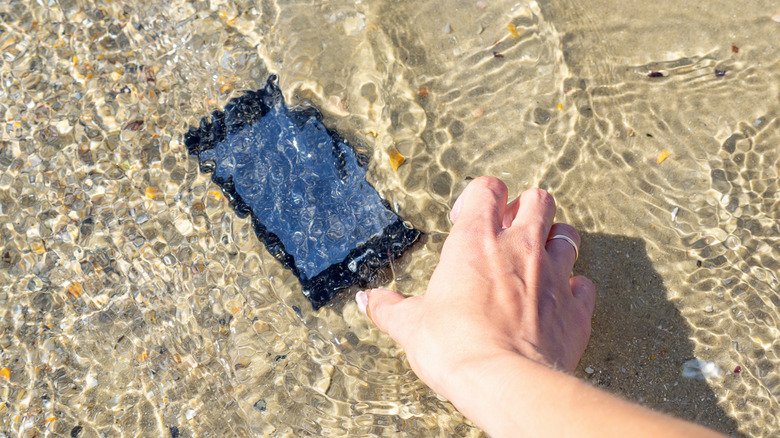
Upgrading to niche devices featuring IP69 specifications offers little added security against prolonged swimming or diving. The numeral nine strictly denotes resistance against high-pressure, high-temperature water jets, rather than deep or extended submersion. Critical to consumer risk is the fine print found in standard manufacturer warranties: despite aggressive marketing showcasing rugged durability, brands such as OnePlus routinely exclude liquid damage from standard warranty coverage. Internal Liquid Contact Indicators tripped by moisture exposure allow repair centers to deny warranty claims outright, placing the entire financial burden of fluid exposure squarely on device owners.