Myanmar Authorizes Death Penalty for Violent Cyber Scam Operators Amid Global Law Enforcement Crackdown
The newly passed Anti-Online Scam Law mandates capital punishment for fatal abuses in trafficking hubs as global losses from Southeast Asian fraud networks exceed $114 billion.
Myanmar’s legislative assembly has formally adopted the Anti-Online Scam Law, establishing capital punishment for cyber fraud operatives whose networks utilize lethal violence, torture, or illegal confinement. According to reportage from The Global New Light of Myanmar, published jointly by the country’s Ministry of the Interior and private media partners, the sweeping legal measure introduces severe penal sanctions aimed at curbing a burgeoning regional industry of forced cybercrime hubs.
Under the newly enacted statute, capital punishment is strictly reserved for scam operations that result in a victim’s death through physical violence, cruel treatment, or unlawful detention. For cases involving forced labor linked to digital fraud networks without loss of life, the law prescribes mandatory prison sentences of at least 10 years.
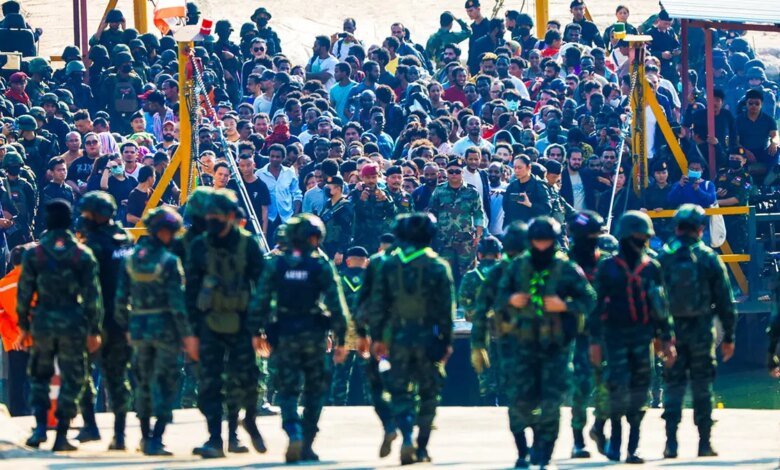
The legislative push comes as international law enforcement intensifies efforts to dismantle sprawling criminal compounds concentrated along Myanmar’s porous frontiers, particularly near the Moei River border with Thailand. These fortified complexes, including notorious hubs such as KK Park in Myawaddy, frequently lure job seekers from across Asia and beyond under false pretenses of legitimate technology or customer service employment. Upon arrival, recruits are stripped of their travel documents, imprisoned inside heavily guarded compounds, and coerced into conducting fraudulent financial schemes targeting global victims.

Financial losses associated with these transnational syndicates have reached unprecedented levels. According to United Nations estimates, fraudulent networks operating out of the South Pacific and Southeast Asia siphoned off more than $114 billion in 2025 alone. Western law enforcement agencies have increasingly directed resources toward interrupting these illicit financial flows. In May, the FBI announced a massive enforcement operation targeting the Democratic Karen Benevolent Army, an armed group in Myanmar linked to Chinese organized crime syndicates. The agency seized 127,000 Bitcoin—valued at more than $8 billion by July—which had been funneled through scam operations that systematically targeted American citizens, in one instance draining over $3 million from a single elderly victim.

Ground-level rescue efforts have scored major interventions in recent months. Joint operations conducted by Chinese, Thai, and Burmese authorities successfully extracted and liberated more than 7,000 individuals from locked scam compounds throughout 2025.
The passage of the legislation coincides with heightened international focus on human trafficking networks ahead of the World Day Against Trafficking in Persons on July 30, organized under the theme “Trapped Behind the Scam.” Human rights advocates and international bodies have emphasized the delicate balance between penalizing syndicate leaders and protecting coerced workers. Amy Pope, Director General of the International Organization for Migration, cautioned against penalizing those forced to commit fraud under duress, noting that individuals inside scam compounds are victims of trafficking who endure severe physical threats and coercion and deserve protection rather than punishment.