Anthropic Restricts Search Engines From Indexing Shared Claude AI Conversations
The AI safety lab implemented site controls after public search engines cataloged sensitive user logs, including resumes and corporate drafts.
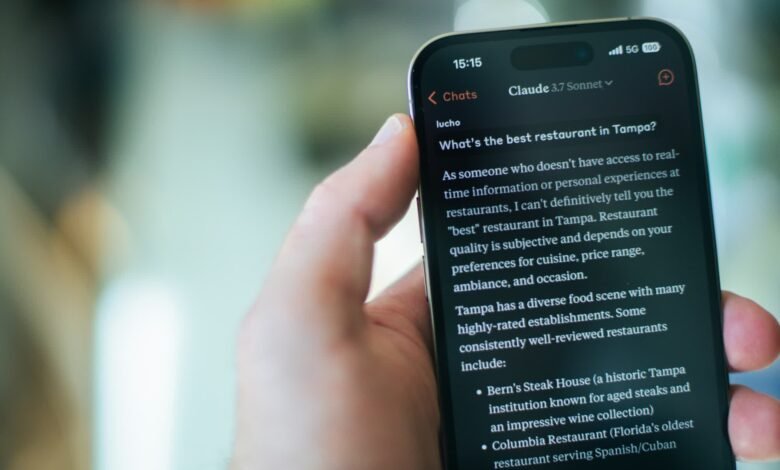
Artificial intelligence developer Anthropic has applied site-wide controls to stop search engines from indexing shared conversations generated by its AI assistant, Claude.
The change follows the discovery that hundreds of user interactions had been crawled, indexed, and made publicly searchable across major search engines, including Google, Bing, Brave, and DuckDuckGo. The exposure was initially highlighted by users on Reddit, who discovered more than 200 Claude chat logs distributed across dozens of search result pages.
While Anthropic’s sharing feature allows individuals to generate direct web links to specific Claude conversations, those pages were accessible without requiring user authentication. When users posted those links onto public forums or social channels, search engine web crawlers automatically indexed the destination pages.
Exposed logs contained a wide spectrum of personal and sensitive information. Indexed material included detailed resumes with full names, phone numbers, and work histories, internal corporate documents—such as a draft post detailing an unreleased cloud security project—transcripts of personal conversations, and medical discussions.
Under standard web architecture, search engine bots continuously scan public web addresses for new content. Unless web developers explicitly embed standard “noindex” directives within page headers or restrict web crawlers through standard site configuration files, any unauthenticated URL discovered on the open internet is eligible for public indexing.
This mechanism has repeatedly created exposure risks for artificial intelligence providers. Similar web indexing incidents previously affected OpenAI’s ChatGPT and xAI’s Grok platform, where shared conversation links were indexed by Google after being posted online. The widespread exposure of personally identifiable information on search engines raises potential compliance questions under privacy frameworks such as Europe’s General Data Protection Regulation (GDPR) and the California Consumer Privacy Act (CCPA).
Anthropic maintained that the indexing was a result of how users chose to distribute links rather than a system vulnerability or technical breach. In a statement reported by The Guardian, an Anthropic spokesperson explained that shared links are not guessable or discoverable on their own and that content becomes public only when users explicitly elect to share those web addresses online.
Despite Anthropic’s stance, the platform’s user interface did not explicitly warn individuals that sharing a conversation link could lead to search engine indexing. The interface noted only that “anyone with the link” could view the session.
Google confirmed that website publishers bear the responsibility for managing how their pages interact with search engines. A spokesperson for Google stated that the company provides webmasters with automated tools to determine whether specific pages should be crawled or indexed, adding that search engines strictly follow those instructions when applied. Following public attention surrounding the indexed chats, Anthropic utilized those publisher tools to remove the affected Claude URLs from search engine indices.